SpaceX Rocket's Lunar Collision Unveils Moon's Hidden Secrets
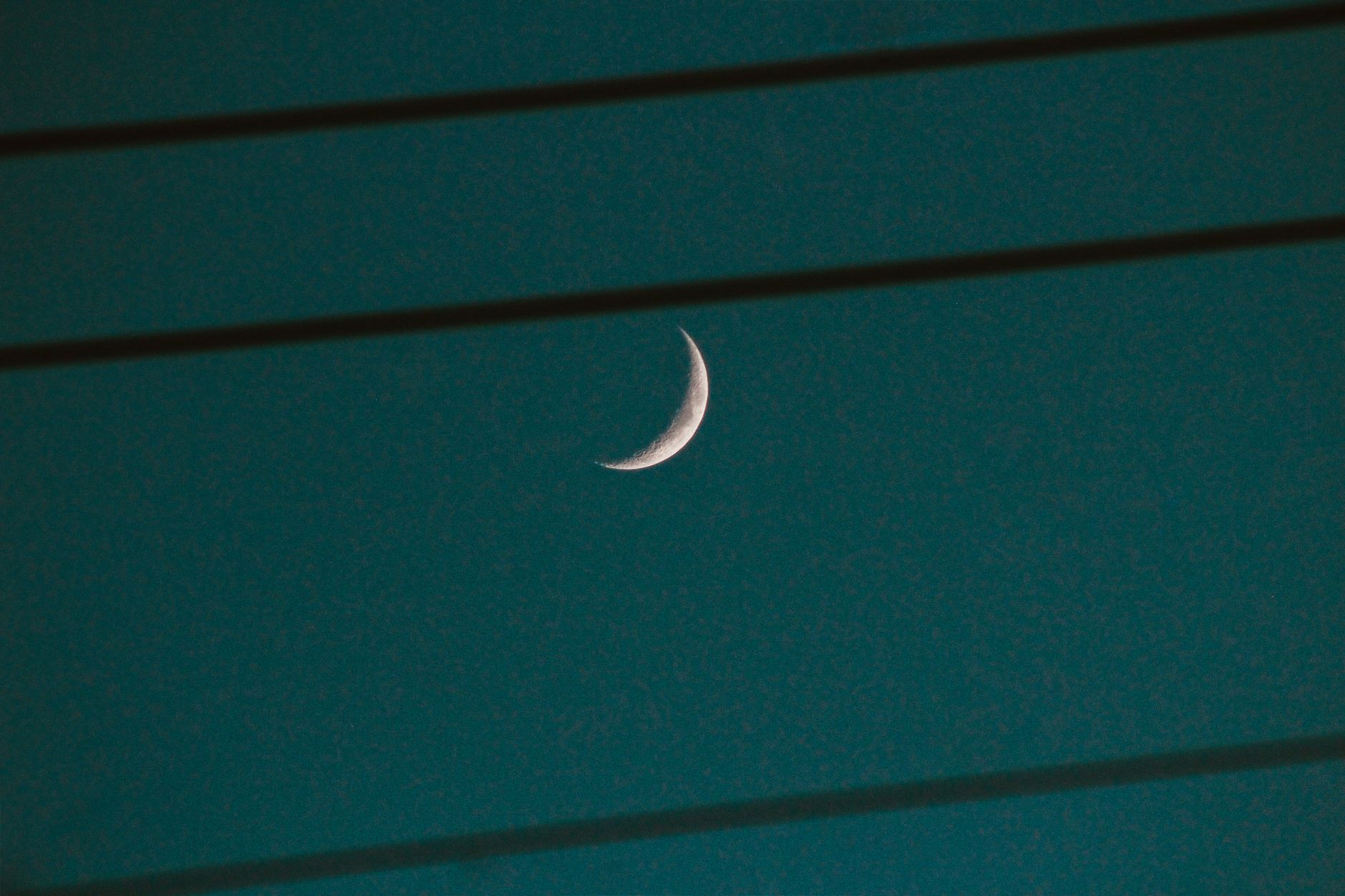
In the early hours of Wednesday, a SpaceX rocket stage, travelling at a staggering 5,000 miles per hour, met its fate against the unforgiving lunar surface. The impact was anticipated, yet its aftermath still managed to surprise scientists and enthusiasts alike.
As the rocket struck, it sent a vast plume of lunar dust spiralling into the void of space. This plume, however, was more than just a visual spectacle. Telescopes on Earth, including the European Southern Observatory's Very Large Telescope in Chile, captured the event, revealing 'spectral lines' — unique signatures that offer a glimpse into the moon's composition.
The Science Behind the Spectacle
Spectral lines are critical in astronomical observations. They allow scientists to determine the chemical elements present in celestial bodies. The data from this collision could enrich our understanding of the moon’s surface materials, potentially unveiling new insights into its formation and history.
But the event also raises questions about the increasing amount of space debris. While the spectacle of a rocket hitting the moon may capture the public imagination, it underscores the challenges posed by artificial debris in our solar exploration endeavours.
A Broader Context of Space Exploration
This event is a stark reminder of the dual-edged nature of space exploration. On one hand, it's a testament to human ingenuity and our ability to reach celestial neighbours. On the other, it adds to the growing concern over space junk. As more missions are launched, the orbit around Earth and beyond becomes increasingly cluttered.
Efforts to mitigate space debris are underway, but incidents like this highlight the urgency. The balance between exploration and preservation will be crucial as humanity looks to the stars.