Spain Stakes Claim for 2030 World Cup Final Over Morocco
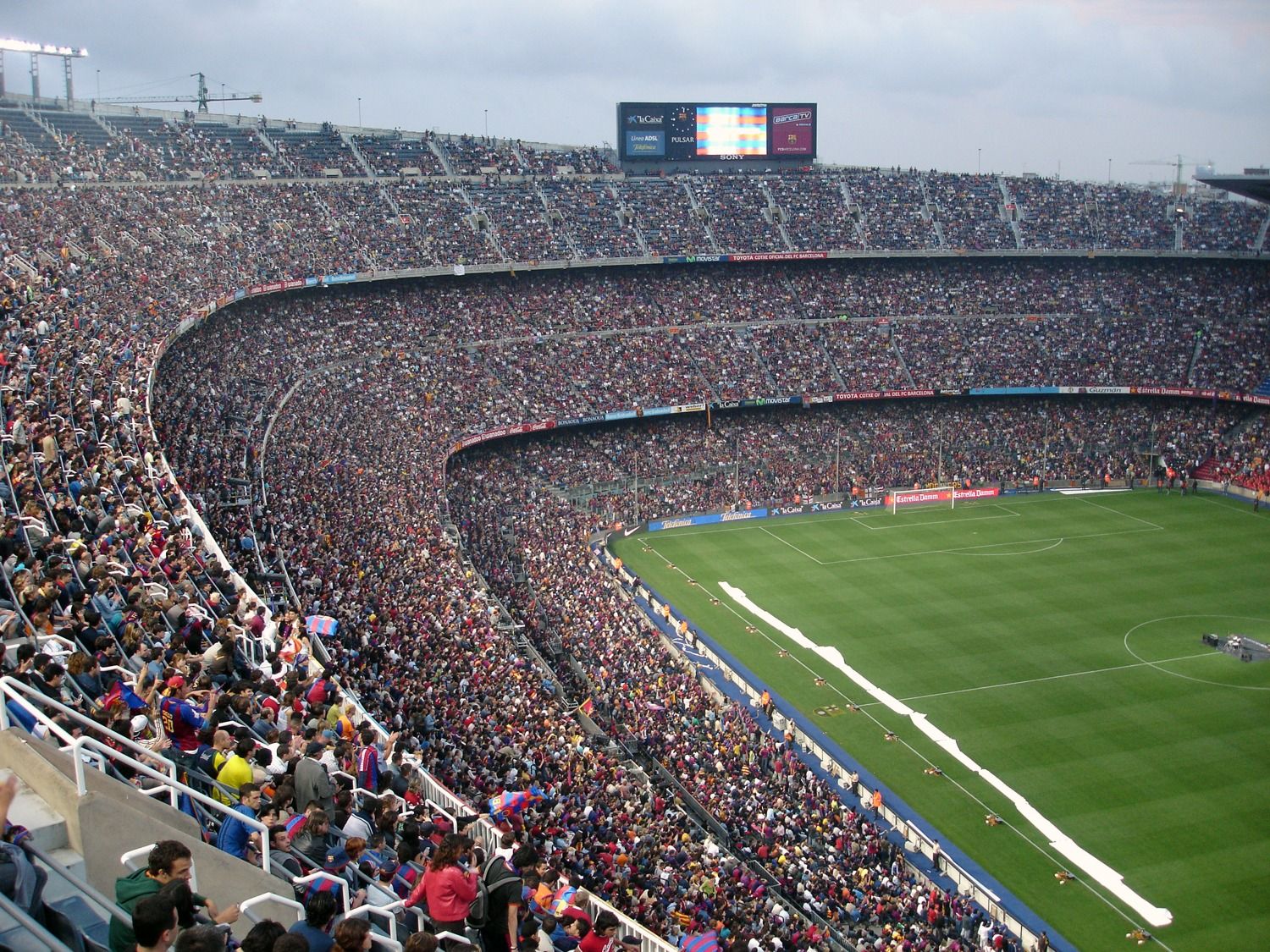
In a move that has stirred both national pride and international debate, Spain's sports minister, Milagros Tolón, has declared that Spain 'deserves' to host the final of the 2030 World Cup. Her assertive remarks have reverberated across the footballing world, as Spain vies with Morocco for the honour of staging the climactic match of what will be a historic tournament spanning three continents.
Tolón's comments come amidst reports suggesting Morocco's bid to host the final has gained traction. Yet, she remains unyielding in her conviction that Spain, with its rich footballing legacy and robust infrastructure, should be the chosen venue. 'Spain has the history, the passion, and the facilities. We are the natural choice,' she stated unequivocally.
A Contest of Prestige
The announcement of the 2030 World Cup, which marks the centenary of the tournament, has already made headlines for its unprecedented geographical scope. With matches set to be played across Europe, Africa, and South America, the final's location has become a symbol of prestige and influence. For Spain, hosting the final represents not just a sporting achievement but a chance to reaffirm its status as a footballing powerhouse.
However, Morocco's ambition to host the final speaks volumes about its growing influence in the footballing arena. Having missed out on previous bids, Morocco sees the 2030 World Cup as an opportunity to showcase its development and commitment to the sport. The nation's new stadiums and investment in sports infrastructure are part of a broader strategy to enhance its international profile.
The Wider Implications
While the decision on the final venue is yet to be made, the debate underscores the broader dynamics at play in international football. It highlights the balance between tradition and emerging markets, as countries vie for recognition and influence through the sport. Moreover, it raises questions about the role of politics and diplomacy in the beautiful game, as nations leverage football as a tool for soft power.
As the world awaits the final decision, one thing is clear: the 2030 World Cup will be more than just a sporting spectacle. It will be a reflection of the shifting sands of global influence, with Spain and Morocco at the heart of this captivating contest.