Sports Federations Cannot Mandate Government Employee Leaves
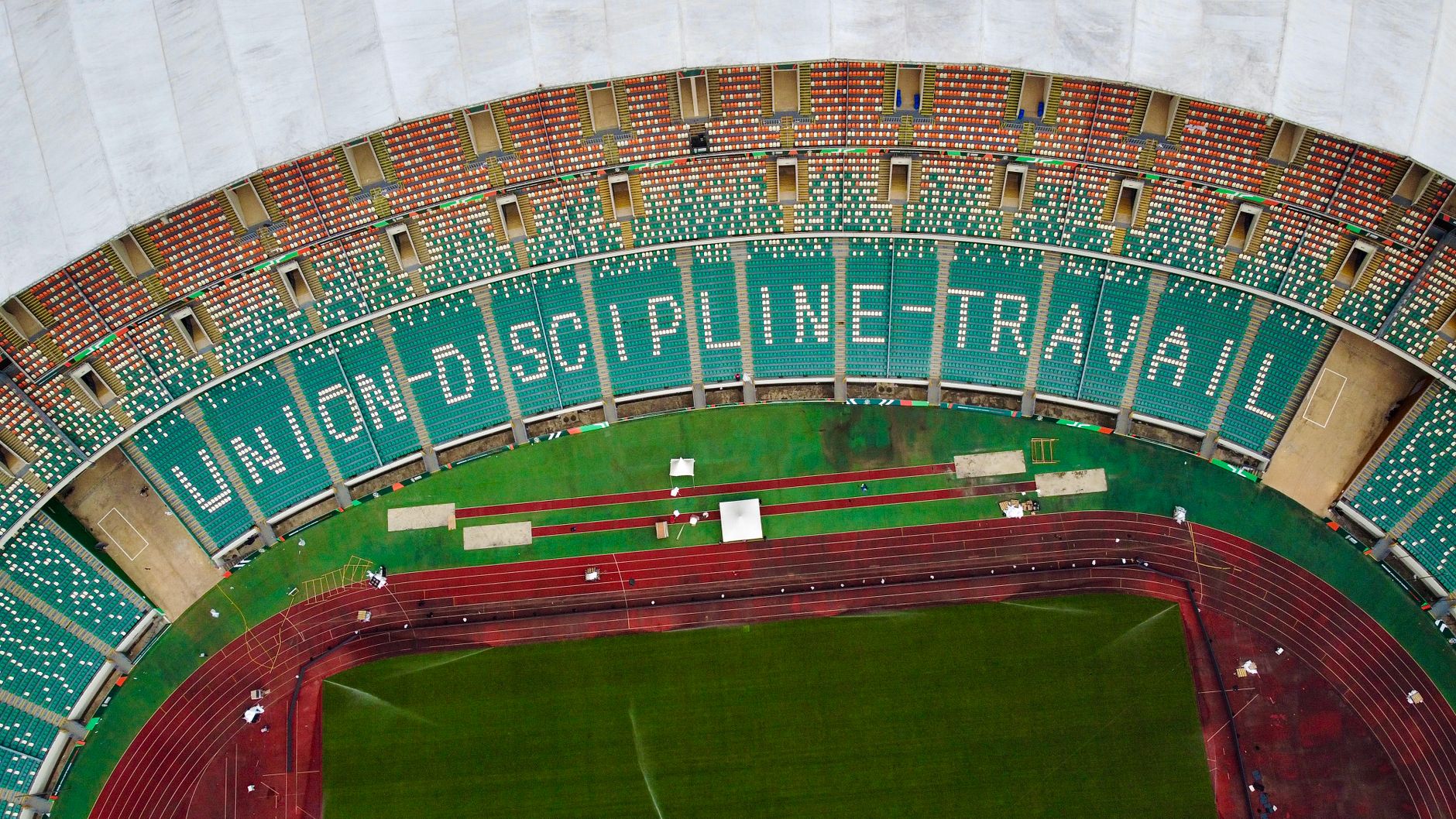
The quiet corridors of government offices are not typically where one expects sporting dramas to unfold. Yet, the recent declaration by the government that national sports federations cannot compel the release of government employees for sporting assignments has set a precedent that echoes far beyond the sports arena.
This decision, ostensibly bureaucratic in nature, carries deeper implications for how sports and public service intersect. At its core, it safeguards government employees from the potential overreach of sports federations, which have historically seen themselves as wielders of significant influence.
Power Play Between Sport and State
For years, sports federations have operated under the assumption that their demands could eclipse regular government duties, often requesting the release of skilled individuals for national and international events. However, this new ruling emphasises the autonomy of government employees, ensuring their primary obligations remain to their official roles.
"It's a necessary step to delineate boundaries," said a government spokesperson. "While sports are important, they should not infringe upon the responsibilities of public servants." This sentiment reflects a growing awareness of the need to balance national pride with everyday governance.
Implications for Future Sporting Events
The immediate impact of this ruling will be felt by federations planning for upcoming sports events, who must now reconsider their staffing strategies. Without the ability to requisition government employees, federations might need to look elsewhere for talent, potentially broadening opportunities for non-government-affiliated athletes.
Critics argue that this could diminish the quality of national teams, but proponents suggest it could lead to a more merit-based selection process. "It's an opportunity for fresh talent to shine," commented a former national coach.
As the dust settles, the broader message is clear: government employees are no longer pawns in the complex game between state duties and national sports agendas. Instead, they stand shielded by a ruling that prioritises their professional responsibilities over extracurricular demands.