Stanford's Revolutionary Discovery: Immune Cells That Self-Destruct
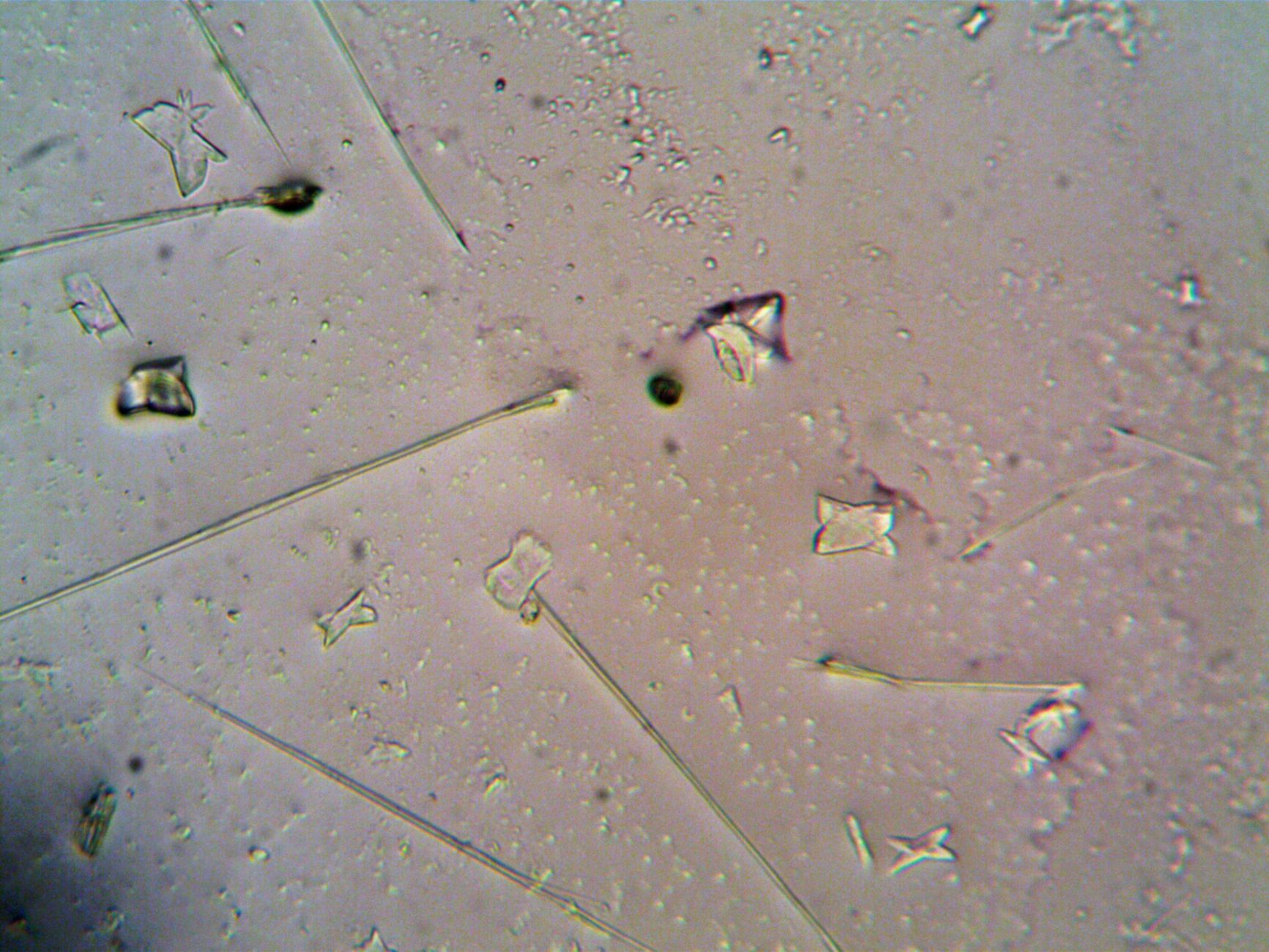
In a discovery that challenges our understanding of immune defence, researchers at Stanford University have identified a novel type of immune cell in ancient flatworms that detonates like a microscopic bomb to obliterate foreign invaders. The cell, dubbed a 'ruptoblast', exhibits a defence strategy so dramatic that it leaves nothing of itself behind, sacrificing its own existence to ensure the organism's survival.
The phenomenon, termed 'ruptosis' by the research team, was observed in the planarian flatworm, a creature long celebrated for its remarkable regenerative abilities. These flatworms, whose lineage stretches back hundreds of millions of years, possess a form of self-defence that could inspire new therapeutic avenues for tackling infections and cancers.
The Mechanics of Ruptosis
The ruptoblasts operate by amassing toxic compounds within themselves before undergoing a rapid and complete detonation. This explosive action effectively annihilates nearby pathogens and potentially harmful cells, leaving a scene of cellular devastation in its wake.
Dr. Emilia Thompson, lead researcher of the study, described the process with a mix of awe and analytical precision. "It's akin to a suicide mission at the cellular level," she noted. "These cells are programmed to self-destruct in a manner that maximises their lethal impact on invaders."
Implications for Medical Science
While the spectacle of cells exploding might seem like the stuff of science fiction, its implications are very real for medical science. This self-sacrificial mechanism could be harnessed to develop innovative treatments that mimic this natural process, offering new ways to combat diseases that currently evade conventional therapies.
Moreover, the discovery adds a new layer of understanding to the complexity of immune systems, particularly in primitive organisms. It raises questions about how such mechanisms evolved and whether similar processes might exist undiscovered in other species.
As research continues, the potential applications of ruptosis could extend well beyond flatworms, challenging existing paradigms and offering hope for conditions once deemed insurmountable. For now, this discovery stands as a testament to the ingenuity of nature and the ever-expanding horizons of scientific inquiry.