Starmer's Exit: A Turning Point for British Politics
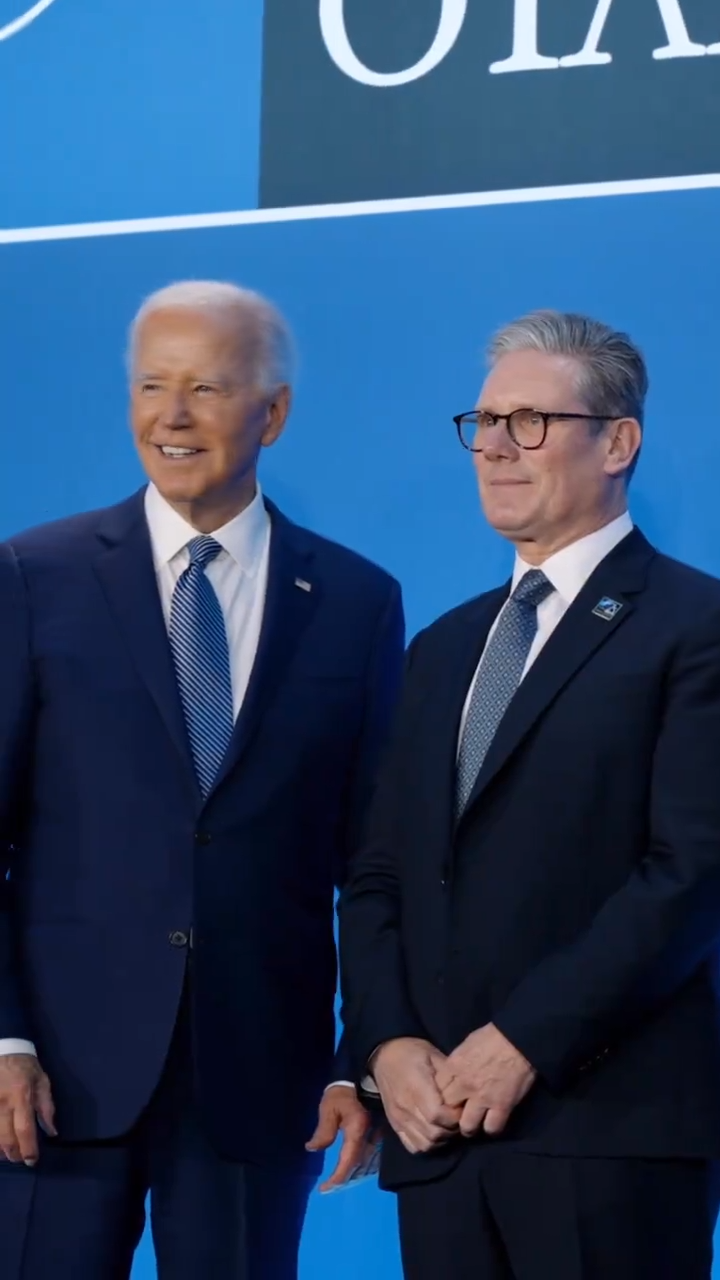
In an unexpected twist of fate, Sir Keir Starmer has announced his resignation as Prime Minister, bringing an abrupt end to his tenure at 10 Downing Street. The announcement, which came just two years after his landslide victory in 2024, has sent ripples through the corridors of Westminster. It appears that the very forces that propelled him to power have now orchestrated his downfall.
Starmer's rise to the premiership was nothing short of historic, ending fourteen years of Conservative dominance. He promised a breath of fresh air, a government for the people, and a resolution to the post-Brexit turmoil. However, the weight of expectations soon turned into a millstone around his neck. Discontent simmered within the Labour ranks, exacerbated by lacklustre local election results and contentious policy decisions.
Internal Strife and Public Disillusionment
The seeds of Starmer's resignation were sown within his own party. Whispers of dissent had grown steadily louder, culminating in a crescendo that could no longer be ignored. Several of his closest allies had already resigned, signalling a loss of confidence that mirrored the public's waning support.
Voters, who had once embraced Starmer's vision of change, grew increasingly disillusioned. Promises of economic revival and social justice seemed to falter amidst political infighting and perceived indecisiveness. The once-clear mandate for change had blurred into a muddle of half-hearted reforms and unfulfilled pledges.
The Road Ahead for Labour
With Starmer stepping down, the Labour Party stands at a crossroads. The search for a new leader is not merely an internal affair; it is a question of national significance. The new leader will need to mend the fractures within the party and present a cohesive vision capable of winning back the electorate.
The timing of Starmer's resignation adds another layer of complexity. As the UK grapples with economic challenges and international uncertainties, stable leadership is paramount. The Labour Party must not only choose a successor but also redefine its political identity in a rapidly changing landscape.
As Britain watches closely, the unfolding drama offers a stark reminder of the volatile nature of politics. Leadership is a precarious perch, where the ascent is hard-fought, and the descent can be precipitous. Starmer's resignation is not just the end of an era; it is the beginning of a new chapter in British politics.