Steady Strides in Measles and Rubella Eradication in South-East Asia
In a concerted effort to eliminate measles and rubella, the World Health Organisation's South-East Asia Regional Verification Commission gathered to evaluate the progress made across the region. As countries from Maldives to Myanmar present their data and strategies, the commission's review serves as both a checkpoint and a call to action.
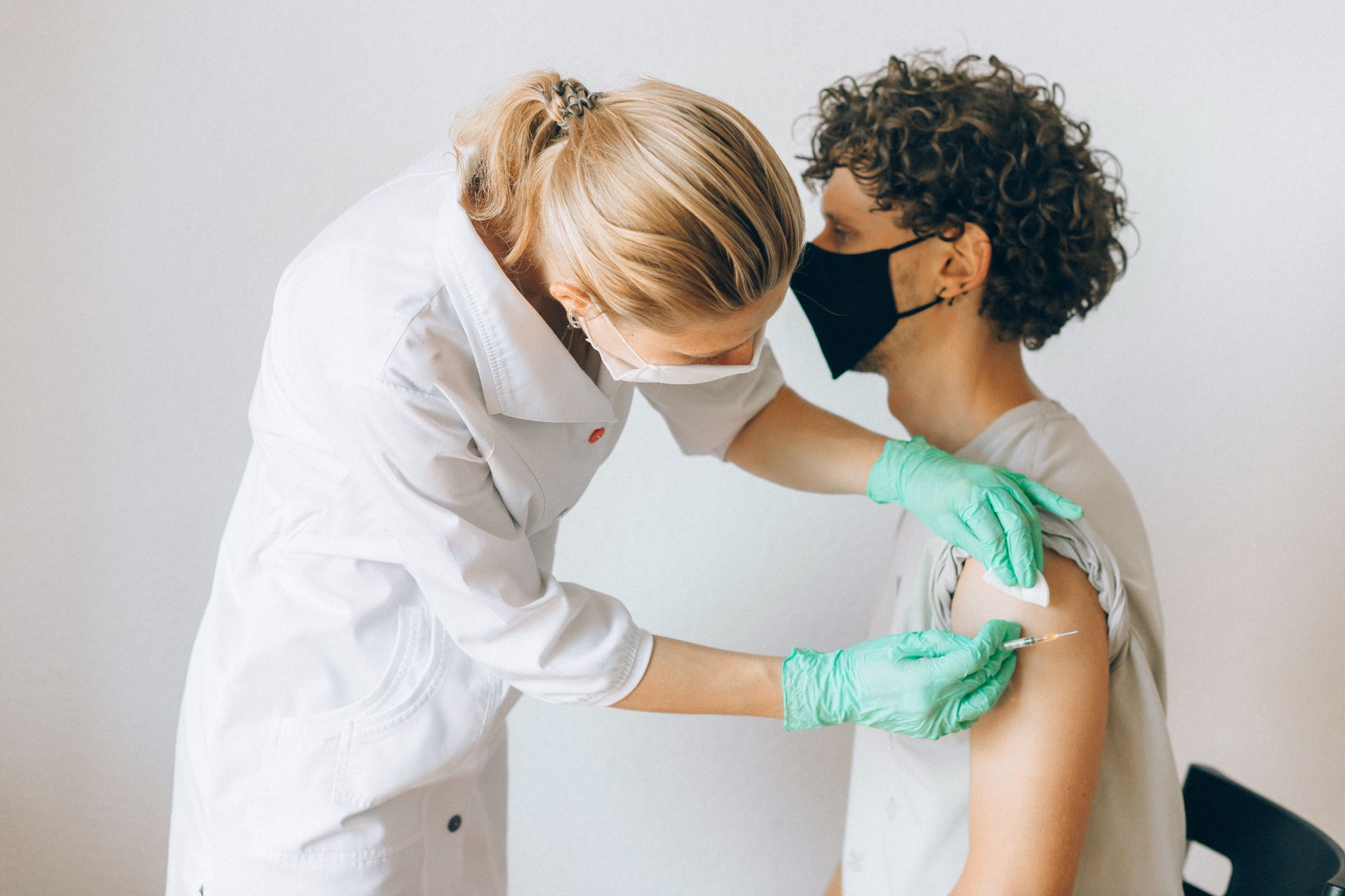
Measles and rubella, though preventable through vaccination, continue to pose significant health challenges. However, the region has witnessed commendable strides, thanks to robust health policies and extensive immunisation campaigns. Yet, the path to eradication is fraught with hurdles, from vaccine hesitancy to logistical challenges in remote areas.
Regional Efforts and Challenges
The alliance among South-East Asian nations has been pivotal. Through shared resources and knowledge, countries have managed to increase vaccination coverage, thereby drastically reducing infection rates. The commission acknowledged the dedication of healthcare workers who have tirelessly worked on the ground, often in difficult conditions.
Nonetheless, certain areas remain vulnerable. Geographical barriers and socio-economic disparities have created pockets where vaccination coverage is lower, posing a threat to regional elimination goals. The commission stressed the need for targeted interventions in these zones to bridge the gap.
The Road Ahead
While the review highlighted progress, it also underscored the urgency of maintaining momentum. The commission recommended strengthening surveillance systems and improving vaccine delivery channels. Moreover, public awareness campaigns need to counter misinformation, which remains a stumbling block in achieving higher vaccination rates.
As the world grapples with the aftershocks of a global pandemic, the importance of eliminating these infectious diseases cannot be overstated. The commission's findings and recommendations are expected to guide future policies, ensuring that the region remains on track to protect its most vulnerable populations.