Student Union's Bandh Disrupts Itanagar Over Education Concerns
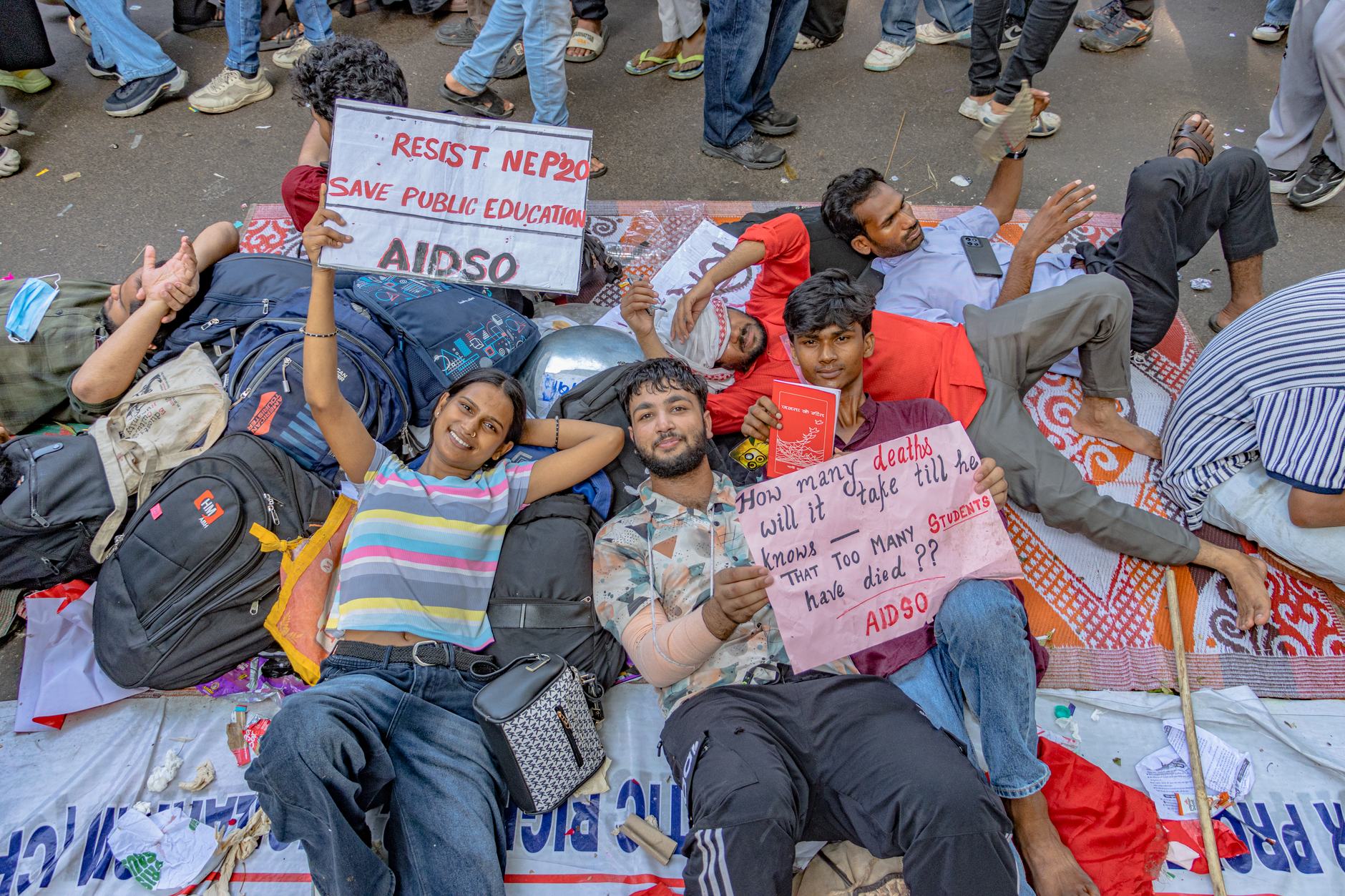
In the quiet pre-dawn hours of September 24th, Itanagar awoke to an unusual stillness as the All Nyishi Students’ Union (ANSU) initiated a 12-hour bandh. The streets of the Itanagar Capital Region, normally bustling with the early morning rush, lay deserted as residents heeded the call for protest over pressing educational demands.
The shutdown, lasting from 5 am to 5 pm, was a response to what ANSU describes as the state government's persistent neglect of educational issues. Despite the district administration declaring the bandh unlawful under Section 163 of the Bharatiya Nagarik Suraksha Sanhita, the organisation proceeded, underscoring the gravity of their concerns.
The Unyielding Stand
ANSU's list of demands includes increased funding for educational initiatives and addressing systemic problems within the region's schools. The student body argues that without significant investment and reform, the educational prospects of the region's youth remain bleak. Their frustration reached a boiling point following inconclusive discussions with Education Minister Pasang Dorjee Sona, who, despite presenting an action-taken report, failed to assuage the union's concerns.
In a meeting held two days prior to the bandh, Minister Sona urged ANSU to reconsider their stance, emphasising the steps already taken by the Education Department. However, this olive branch was rejected, with ANSU leaders insisting that concrete results, not promises, were needed.
A City at a Standstill
The bandh's impact was palpable across Itanagar. Markets remained shuttered, public transport services were sparse, and educational institutions closed their doors for the day. While the bandh was largely peaceful, its economic ramifications were unavoidable, adding another layer of tension to an already strained situation.
For the residents of Itanagar, the bandh was a stark reminder of the underlying discontent simmering within the region. As the clock ticked towards the evening, and the bandh finally lifted, the city began its slow return to normalcy. Yet, the issues raised by ANSU linger, demanding the attention of policymakers who must now navigate the delicate path towards resolution.