Study Proposes Dual Origins of Life on Earth
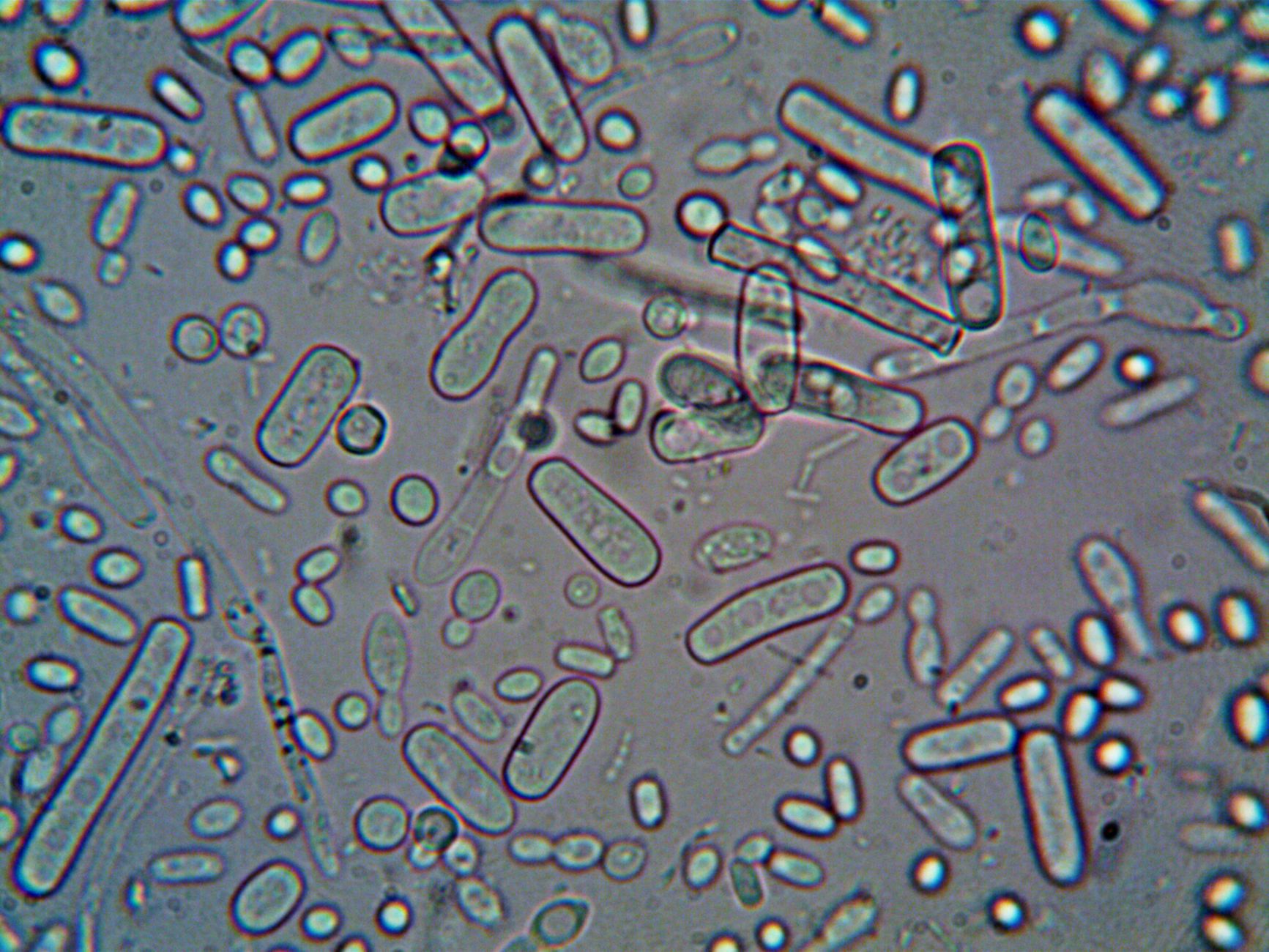
In the annals of scientific discovery, few topics captivate the imagination quite like the origin of life. A recent study published in Science Advances has added a provocative twist to this age-old question by suggesting that life on Earth may have begun not once, but twice. This bold claim centres around the idea that two of life’s primary branches, bacteria and archaea, independently evolved into free-living cells.
Dr. William Martin, one of the lead researchers, stated, "The new data leave us with only one conclusion—the two evolutionary lineages independently reached the state of free-living cells." This notion, if proven correct, could revolutionise our understanding of life’s early development, indicating that the processes leading to free-living cells were not as unique as once thought.
Re-evaluating Biological Beginnings
The significance of this study lies in its challenge to the long-standing belief that life on Earth had a singular origin. Traditionally, it was assumed that all life descended from a common ancestor—a single primordial event that set the stage for all subsequent biological diversity. However, this new research posits that bacteria and archaea, the two fundamental domains of life, may have arisen independently.
This theory is supported by the analysis of molecular data, which suggests distinct evolutionary paths for these organisms. The implications are profound, raising questions about the conditions that favour the emergence of life and whether similar processes might occur elsewhere in the universe.
Implications for Future Research
While the study has sparked considerable debate, it has also opened new avenues for research. Scientists are now tasked with investigating the mechanisms that could allow for such parallel origins. Moreover, this hypothesis encourages a re-examination of the criteria used to search for life beyond Earth, as it broadens the scope of potential environments where life might arise.
Ultimately, the study invites us to reconsider what it means to be 'alive' and how life may be more adaptable and varied than previously envisaged. Whether or not this dual origin theory withstands scrutiny, it undeniably enriches our ongoing quest to understand the mysteries of life on our blue planet.