Sunscreen's Hidden Impact: The Unseen Threat to Marine Life
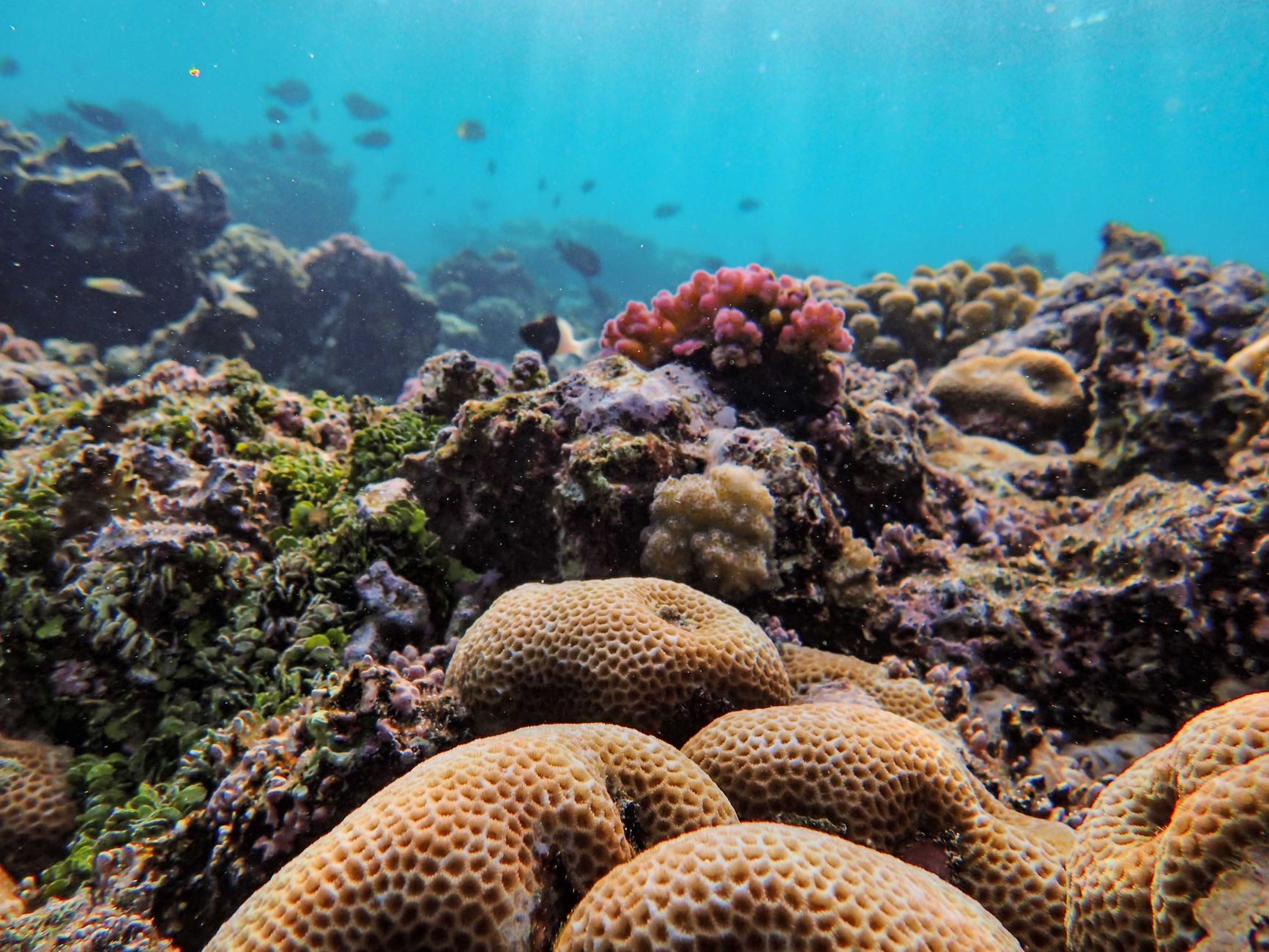
In a world where sun safety is drilled into us from a young age, it seems we've overlooked a critical side effect of our sunbathing rituals. Beneath the surface of our oceans, sunscreen is making waves of a different kind. A staggering discovery reveals that over half the population is blissfully unaware of the environmental damage sunscreen inflicts.
The chemicals that shield us from the sun's harmful UV rays, such as oxybenzone and octinoxate, have been found to leach into marine environments. These compounds enter the ocean directly when we swim or through indirect means, such as when we wash our sun-kissed towels. The effects on marine life are sobering; they include coral bleaching and disruption of marine ecosystems.
The Science Behind the Splash
Scientists have long championed the use of sunscreen to prevent skin cancer and other sun-related ailments. However, the narrative is shifting. Recent studies have highlighted how these protective lotions contribute to coral reef degradation and pose a threat to marine biodiversity. Coral reefs, often termed the 'rainforests of the sea', are particularly vulnerable.
As the sunscreen washes off, these chemicals are absorbed by the coral, causing it to expel the symbiotic algae living in its tissues, a phenomenon known as coral bleaching. Without these algae, the coral loses its main source of nutrition and is more susceptible to disease.
Raising Awareness
Given the scale of the threat, public awareness is crucial. While many of us might not think twice about slathering on sunscreen before hitting the beach, the cumulative effect is far from benign. Environmentalists are calling for a shift towards 'reef-safe' sunscreens, which use mineral-based UV filters instead of harmful chemicals.
Governments and environmental organisations are joining the chorus, advocating for increased education and research into sustainable sun protection. Some regions have begun to regulate the sale of sunscreens containing harmful ingredients, setting a precedent for others to follow.
As the sun sets on another day, the message is clear: protecting our skin need not come at the expense of our oceans. With informed choices, we can shield both ourselves and the marine life that silently suffers beneath the waves.