Sunscreen's Hidden Threat: Coral Reefs at Risk
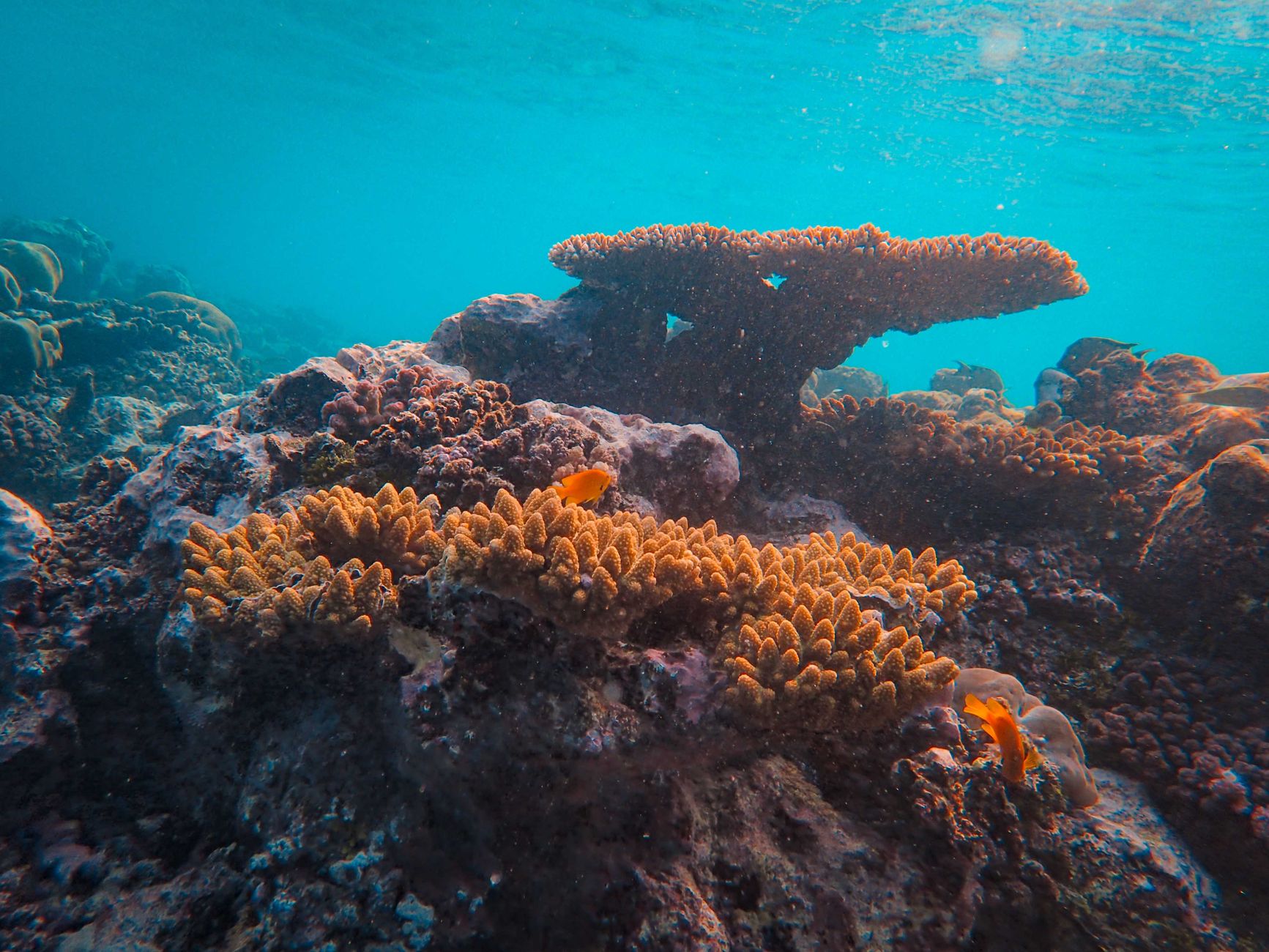
As the summer sun beckons beachgoers and swimmers, few realise that the sunscreen they diligently apply may be harming the very marine life they cherish. Recent studies reveal that more than half of people are oblivious to the environmental perils posed by sunscreen. The culprit lies in the ultraviolet (UV) filters, which, while protecting skin from harmful rays, wreak havoc on delicate coral ecosystems.
Scientists have identified a direct link between common sunscreen chemicals and coral bleaching. These UV filters, including oxybenzone and octinoxate, are found in many sun protection products and can cause significant damage to coral reefs. Once in the water, these chemicals disrupt the symbiotic relationship between corals and the algae that provide them with their vibrant colours and essential nutrients.
Invisible Pathways to Pollution
The pathways through which sunscreen enters the ocean are both direct and indirect. Swimmers, snorkelers, and divers unwittingly introduce these chemicals into the sea. Additionally, when towels used to dry sunscreen-coated skin are washed, the residues make their way into water systems, eventually reaching the ocean.
Coral reefs, often described as the rainforests of the sea, are vital to marine biodiversity. They support approximately 25% of all marine species and are crucial for coastal protection, fisheries, and tourism. The bleaching effect caused by sunscreen chemicals can start within hours, leading to long-term damage to these underwater ecosystems.
A Call for Change
In response to these findings, several regions have taken steps to mitigate the impact of sunscreen on marine life. Hawaii and Palau, for example, have banned the sale of sunscreens containing harmful chemicals. These measures aim to protect their fragile coral reefs from further degradation.
As awareness grows, consumers are encouraged to opt for reef-safe sunscreens, which use mineral-based ingredients like zinc oxide and titanium dioxide. These alternatives provide sun protection without the detrimental effects on marine environments.
The onus is on both manufacturers and consumers to consider the environmental footprint of everyday products. As knowledge spreads, there is hope that more people will embrace sunscreen choices that safeguard both their skin and the planet's precious ecosystems.