Superheated Magma: The Fiery Force Behind Lava Fountains
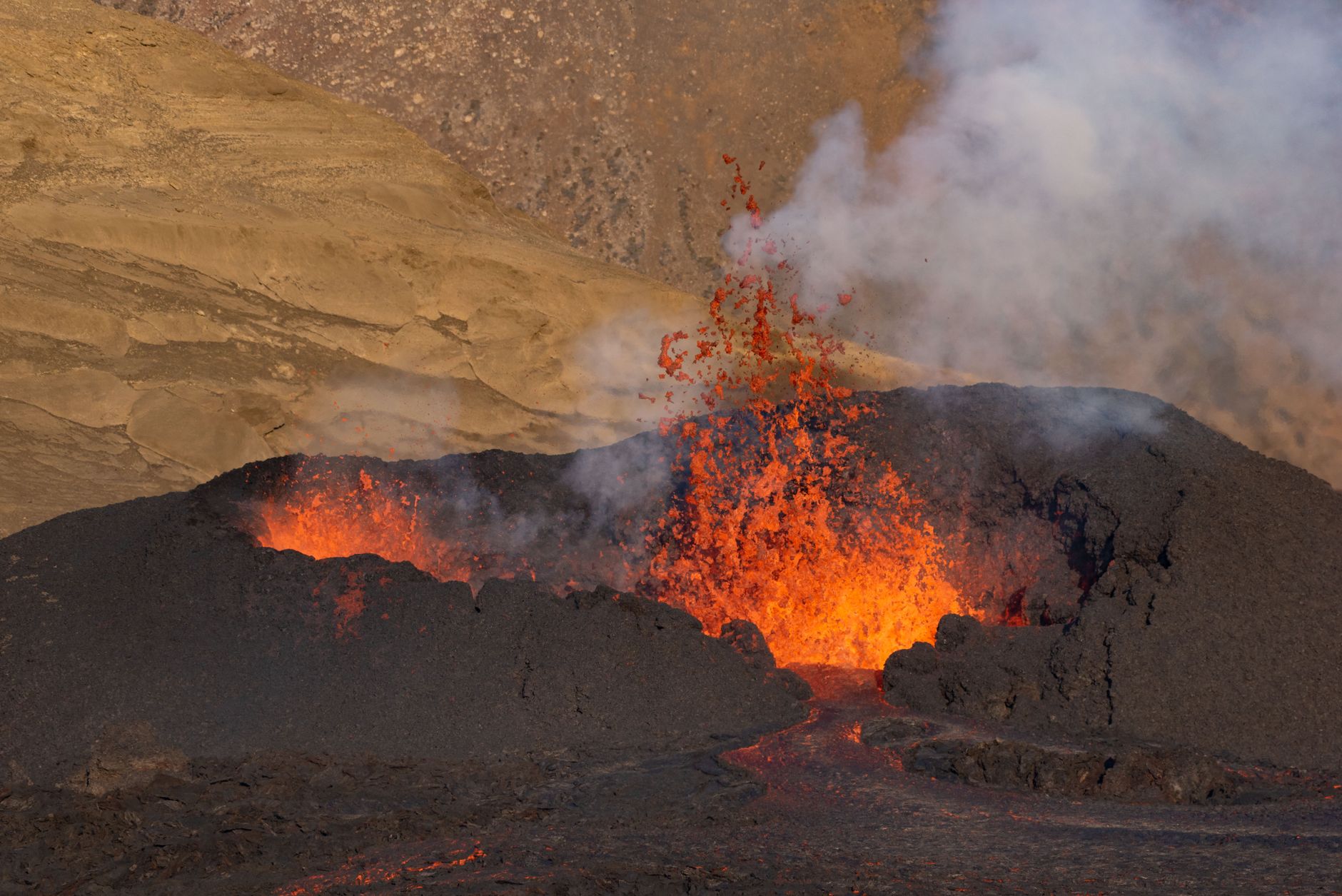
In the shadow of the now-dormant Cumbre Vieja volcano, the scientific community is abuzz with new findings that shed light on the fiery phenomena that captivated the world just a few years ago. The University of Manchester has unveiled research suggesting that superheated magma, capable of delaying crystallisation by several hours, is the force behind the majestic, albeit menacing, lava fountains seen during the 2021 Tajogaite eruption on La Palma.
While the spectacle of towering lava fountains can seem like nature's own fireworks display, the underlying science is anything but simple. When magma is superheated, it dissolves crystal nuclei, keeping the melt fluid for a longer period. This delay in crystallisation allows the magma to surge to the surface with increased velocity, resulting in the explosive discharge that characterises these breathtaking eruptions.
The Science of Superheating
Traditionally, it was believed that the formation of crystals within the magma would signal a slowdown, leading to a more effusive and less dramatic flow. However, the findings from La Palma challenge this notion. By maintaining a liquid state for an extended duration, superheated magma can defy expectations, leading to sudden and vigorous eruptions.
Professor Jane Smith, leading the study, noted, "Our research provides crucial insights into volcanic behaviour, particularly in regions where eruptions are a regular threat. Understanding how superheated magma behaves not only informs our scientific models but also aids in disaster preparedness."
Implications for Volcanic Regions
The implications of these findings are far-reaching. For communities living in the shadow of active volcanoes, the ability to predict the nature of an eruption can mean the difference between life and death. By recognising the signs of superheated magma, authorities can improve evacuation strategies and reduce risk.
The study also opens new avenues for further research. Scientists now aim to explore the conditions under which magma becomes superheated, and how these conditions might be monitored in real time to provide more accurate predictions.
In the grand theatre of Earth's geological processes, the role of superheated magma in creating towering lava fountains is but one act. Yet, as this research demonstrates, understanding these acts is vital for both scientific advancement and public safety.