Supreme Court Advocates for Girls' Education Amidst Basic Facility Shortfalls
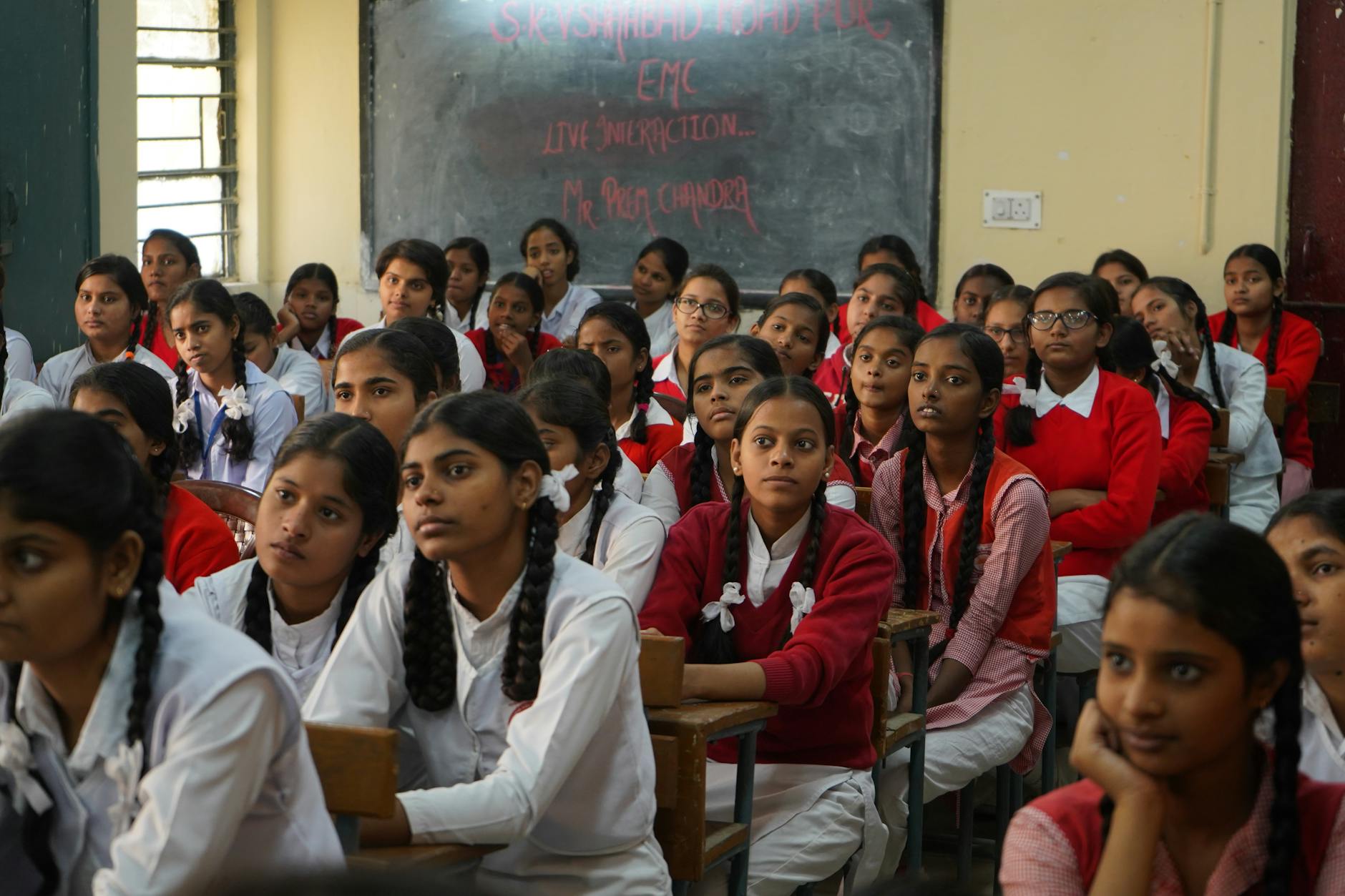
The Supreme Court of India has issued a clarion call to safeguard the educational prospects of young girls across the nation. In a statement that resonates with the urgency of the issue, the court emphasised that no girl should have to forsake her education because of a lack of essential facilities such as sanitary napkins and gender-segregated toilets in schools.
During the proceedings, the apex court directed the central government to ensure the implementation of its directives, aimed at providing free sanitary pads and ensuring functional, separate toilets for girls in educational institutions. The court's stance comes as a reinforcement of its earlier judgment, urging all states and Union Territories to adhere strictly to these guidelines.
The Bench observed that neglecting such basic amenities could compel girls to abandon their education in favour of domestic responsibilities, a scenario that undermines the progress in gender equality and education goals. "This is for the good of the women of our country, young girls and young students. Because this will have a direct impact on education," the Bench asserted.
This judicial intervention highlights a critical barrier to education that extends beyond the mere provision of schooling. It tackles the ingrained socio-cultural issues where education for girls is often undervalued, especially in rural and underserved areas. The lack of adequate sanitation facilities in schools has been a longstanding deterrent for young girls, particularly as they reach puberty.
By mandating stricter compliance and regular monitoring, the Supreme Court aims to create an environment where education for girls is not only accessible but also sustainable. The directive underscores a broader vision to bridge the gender gap in education, promoting a more inclusive and equitable society.
Analysts suggest that the successful implementation of these directives could serve as a model for other developing nations grappling with similar issues. Yet, the efficacy of these measures will largely depend on the commitment of local governments and educational authorities to prioritise these basic needs.