Supreme Court: Ensure Sanitary Napkins and Toilets in Schools
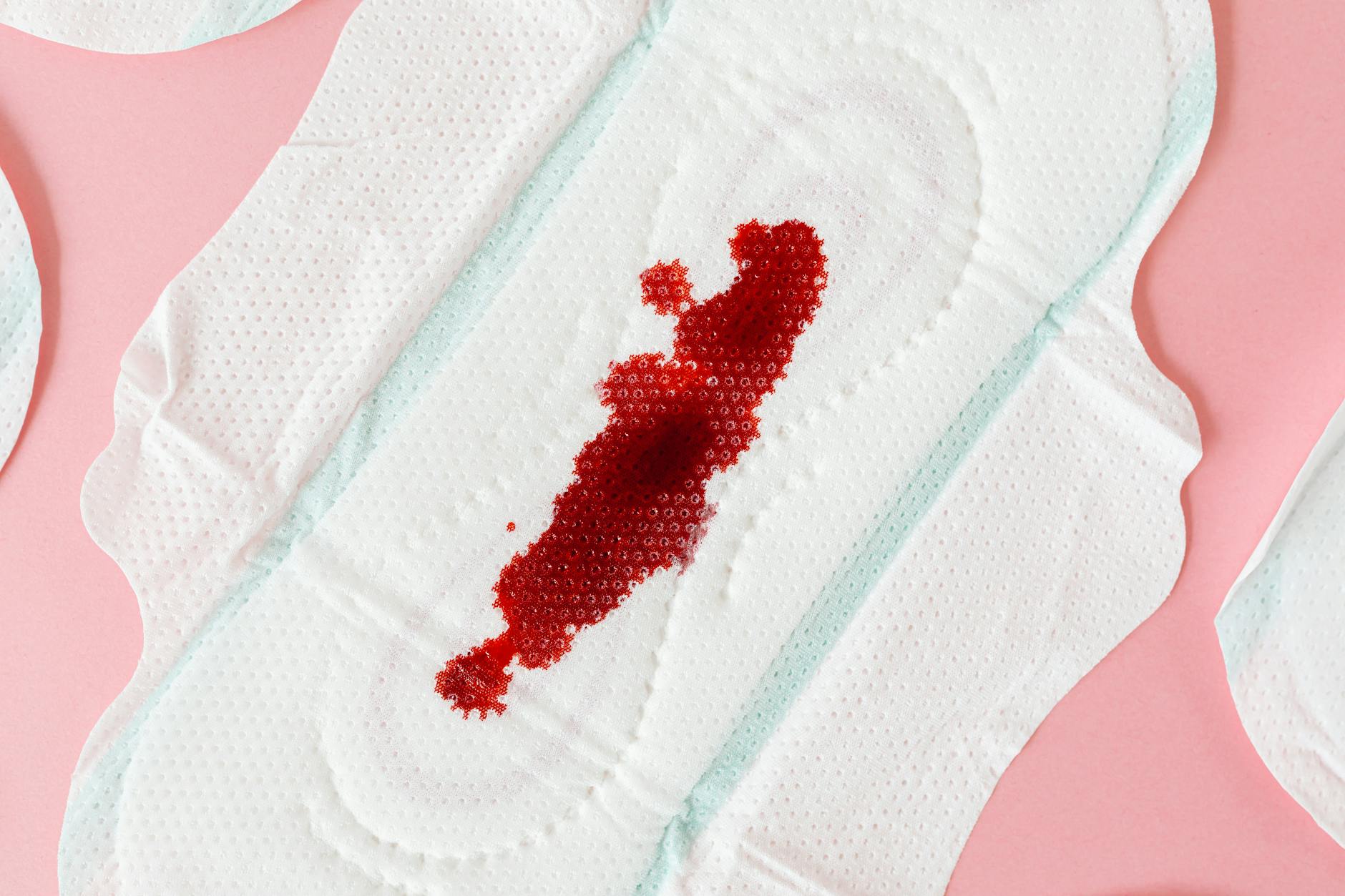
In a decisive step towards educational equity, the Supreme Court of India has made it unequivocally clear that the absence of basic menstrual hygiene facilities should not stand as a barrier to girls' education. On Monday, the apex court mandated that all States and Union Territories provide free oxo-biodegradable sanitary napkins and separate toilets for boys and girls in schools.
This ruling comes as a part of a broader effort to ensure gender justice, addressing a long-standing issue that has seen many girls drop out of school due to inadequate facilities. The lack of sanitary napkins and proper disposal mechanisms has historically forced menstruating girls to miss school, jeopardising their education.
The Court's directive emphasises that menstrual health and hygiene are intrinsic to the right to education. By ensuring the availability of sanitary napkins and suitable toilet facilities, the judgement seeks to remove a significant barrier that disproportionately affects girls, particularly those from rural areas where such facilities are often lacking.
Challenges and Compliance
The Court has also called for strict quarterly compliance tracking. This is to ensure that the States and UTs not only implement these measures but maintain them effectively. Educational institutions are expected to take immediate steps to adhere to these guidelines.
The decision has been hailed by educational and women's rights activists as a crucial move towards achieving substantive equality in education. However, the implementation remains a challenge, with infrastructural gaps and financial constraints potentially hindering progress.
As the nation moves forward, this judgement by the Supreme Court serves as a reminder of the importance of inclusive policies in fostering an equitable educational environment. It is a call to action for authorities to prioritise the fundamental needs of all students, ensuring that no child is left behind due to preventable circumstances.