Supreme Court Limits Centre's Power on Environmental Clearances
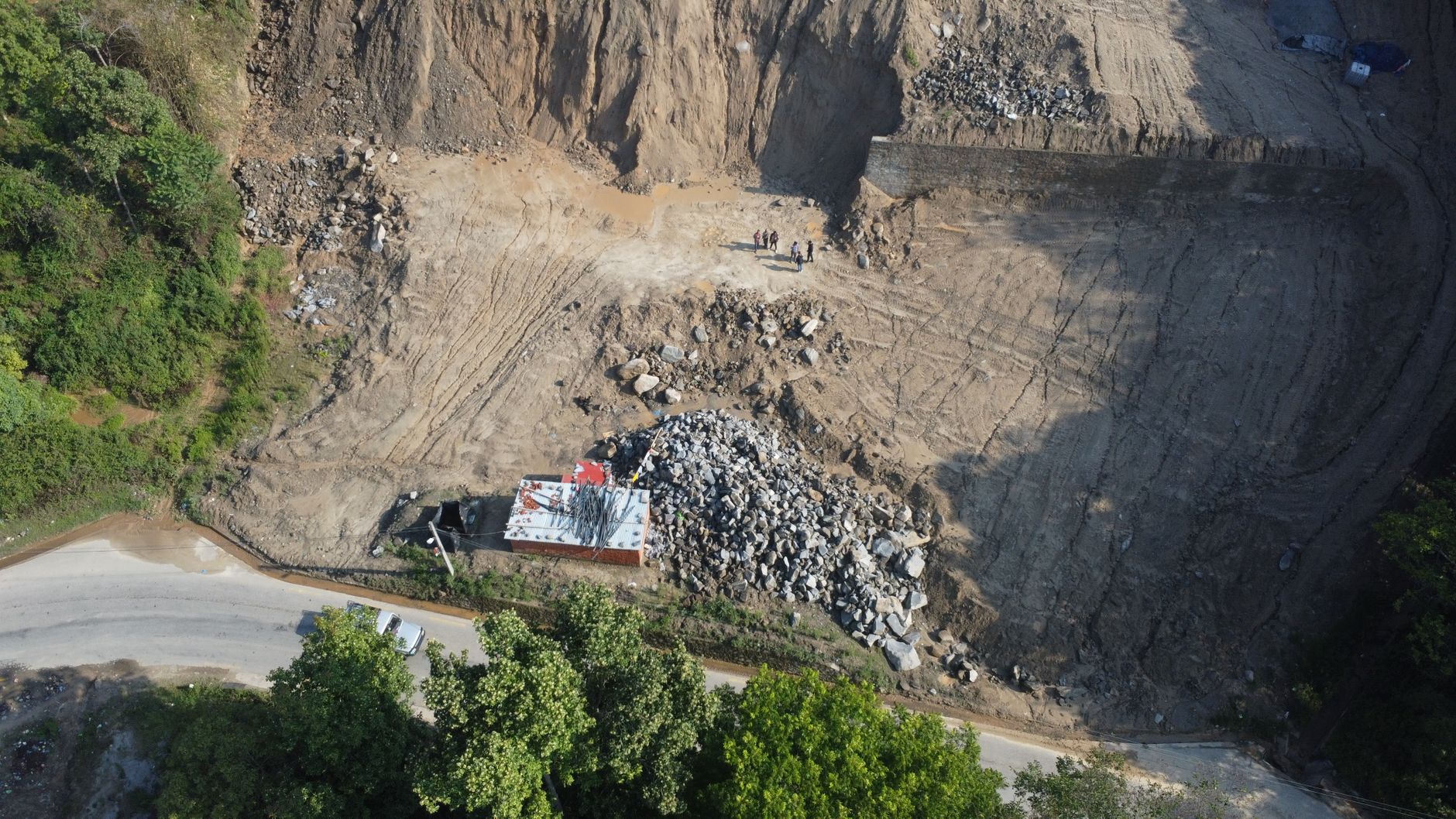
In a decision that could reshape the interaction between development and environmental governance, the Supreme Court of India has underscored the necessity of statutory notifications for post-facto environmental clearances. This ruling came as a response to the Centre's 2021 memorandum, which had attempted to allow infrastructure projects to proceed without prior environmental approvals.
The court's verdict, delivered on Wednesday, unequivocally declares that the environment cannot be sidelined for expediency. "Administrative orders, however well-intentioned, cannot override the statutory framework designed to protect our natural resources," noted the bench, quashing the memorandum.
Statutory Notifications Essential
The crux of the judgement lies in its insistence on statutory notifications under Section 3 of the Environment (Protection) Act, 1986, as the legitimate pathway for any post-facto clearances. This development reaffirms the principle that projects must receive clearance before commencement, safeguarding against environmental degradation.
While the Centre retains the power to introduce a mechanism for such clearances, the court has made it clear that this must follow due legislative process. "The integrity of environmental laws must be upheld," the judgement emphasised, reflecting a judicial commitment to environmental protection.
Implications for Infrastructure Projects
The ruling does not invalidate existing clearances granted under the quashed memorandum, offering a degree of stability for ongoing projects. However, new projects will now have to navigate the more rigorous statutory notification process, potentially affecting timelines and operational strategies.
This decision is seen as a victory for environmentalists who have long argued against the dilution of environmental norms. It also serves as a reminder to policymakers of the importance of balancing economic development with ecological sustainability.
Going forward, the Centre's challenge will be to devise a robust framework that aligns with the court's directives while facilitating necessary infrastructure development. The court's ruling has once again brought the spotlight on the delicate balance between development and environmental stewardship in a rapidly industrialising nation.