Supreme Court Questions BCI's Authority Over Legal Education
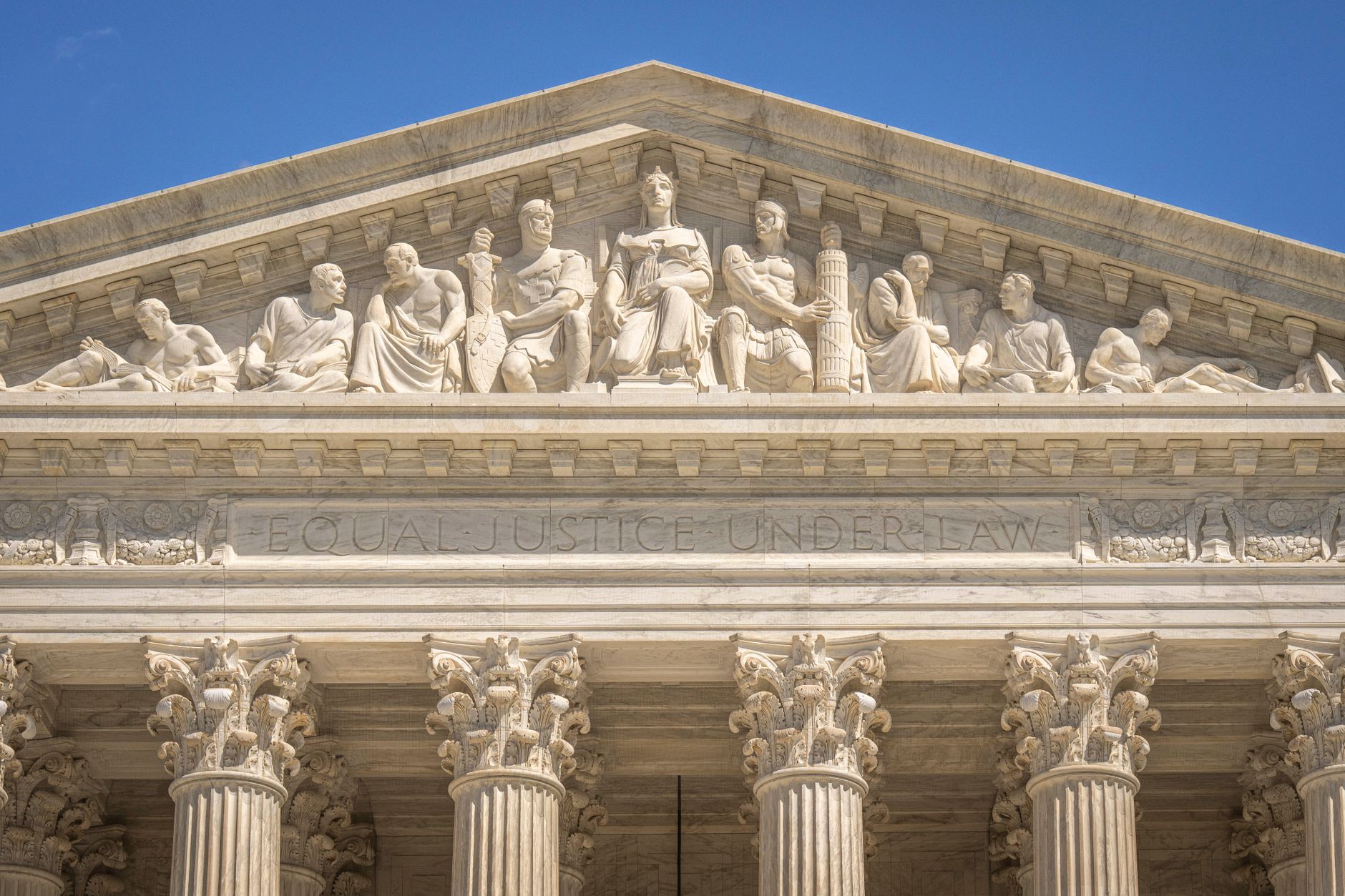
In a significant judicial inquiry, the Supreme Court of India has raised probing questions about the Bar Council of India's (BCI) authority to regulate legal education. The court’s scrutiny emerges amidst allegations of nepotism at the Indian Institute of Legal Education and Research (IIULER), including concerns about its appointment processes.
Chief Justice of India, in a pointed oral observation, queried, "How is the BCI an expert body to regulate legal education? What do they know about legal education?" The remarks were part of a broader critique on the BCI's powers under Section 7 of the Advocates Act, 1961, which allows it to oversee legal education and manage law colleges.
Expertise in Question
The court's query cuts to the heart of a longstanding debate about the BCI's role. While the BCI is tasked with setting standards for legal education, critics argue that it may lack the academic expertise required to properly regulate law colleges. The Chief Justice suggested that eminent law scholars and academicians might be better suited to establish educational guidelines and curricula, rather than leaving such pivotal decisions solely in the hands of a regulatory body.
The implications of this judicial scrutiny are significant. Should the court find the BCI's regulatory powers overextended, it could result in a restructuring of how legal education is governed in India.
Nepotism Allegations
The current scrutiny also involves allegations of nepotism within the IIULER. The Supreme Court is examining appointment records from job advertisements to final selections. Such allegations, if substantiated, could undermine trust in legal education institutions and cast a shadow over the BCI's ability to ensure fairness and transparency in educational governance.
The court has issued a notice to the BCI and the Union government, seeking their responses. As the nation awaits their reply, this case could serve as a pivotal moment in redefining the landscape of legal education in India.