Supreme Court Questions BCI's Role in Legal Education Oversight
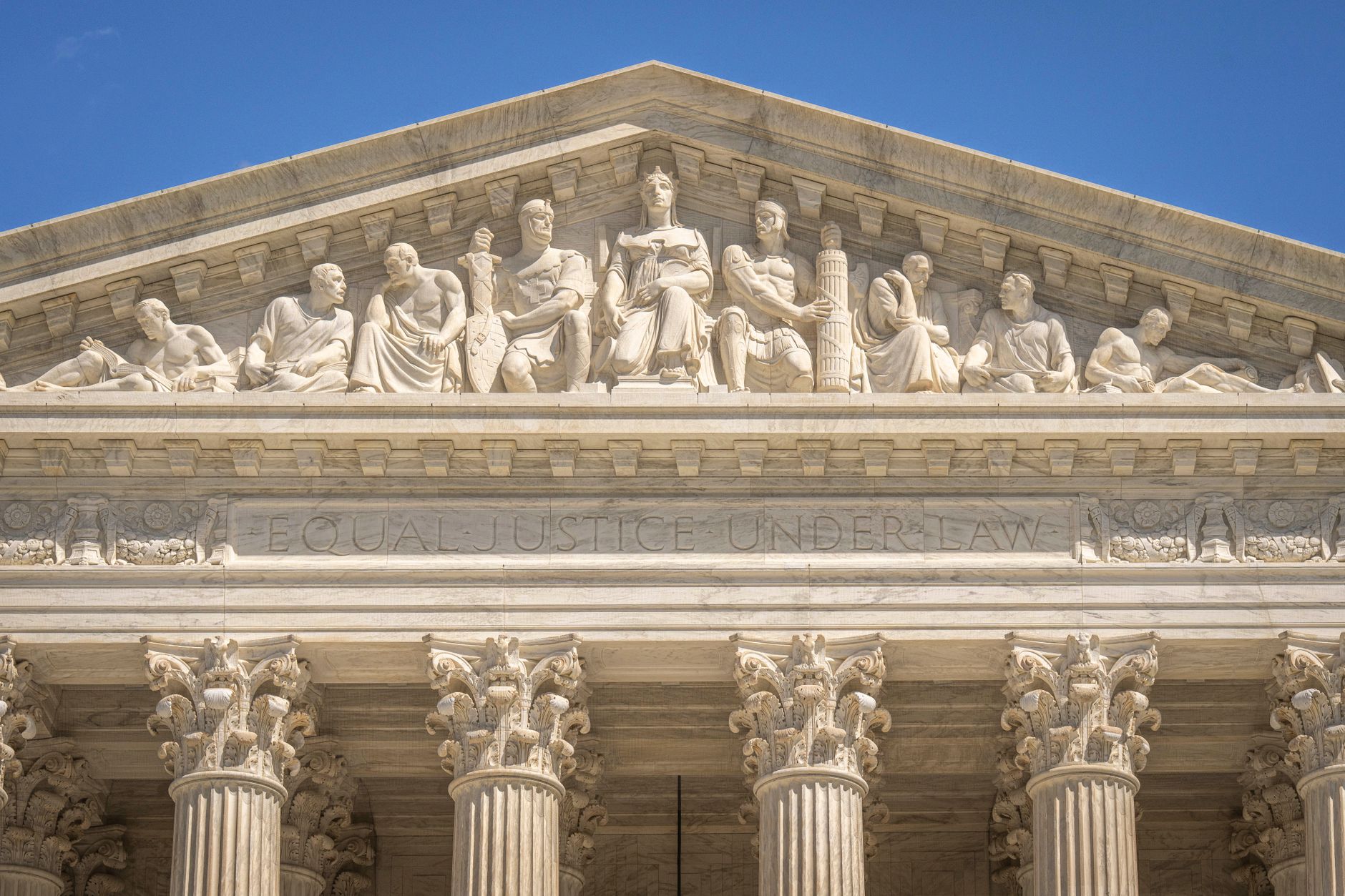
In an unexpected turn of events, the Supreme Court has turned its gaze on the Bar Council of India (BCI), questioning its authority in regulating legal education across the nation. The judicial scrutiny comes amidst a backdrop of allegations of nepotism and mismanagement at the Indian Institute of Legal Education and Research (IIULER).
During a recent hearing, the court posed a pointed query: "How is the BCI an expert body to regulate legal education? What do they know about legal education?" This question, while seemingly straightforward, carries significant implications for the governance of legal education in India.
The BCI, traditionally known for its role in maintaining standards of professional conduct among lawyers, also holds the responsibility of overseeing legal education. However, the court's questioning brings to light concerns over whether the BCI possesses the requisite expertise to effectively manage this domain.
The petition challenging the BCI has highlighted issues of extended tenure and alleged nepotism involving its chairman, Manan Kumar Mishra. The court has issued a notice seeking a detailed response from the BCI, aiming to understand its rationale and the processes involved in its regulatory functions.
Allegations of Nepotism
The allegations centre around the appointment processes at IIULER, where claims have surfaced regarding favouritism in hiring and selection. The court has demanded records from the institute, scrutinizing everything from job advertisements to final appointments.
This examination is part of a broader effort to ensure transparency and fairness in educational institutions, particularly those linked to legal education.
Implications for Legal Education
The court's intervention could potentially lead to a re-evaluation of how legal education is regulated in India. If the BCI is found lacking in expertise, it may prompt calls for reform and possibly the establishment of a dedicated body for legal education oversight.
This case serves as a reminder of the delicate balance between regulation and autonomy in educational institutions. As the court continues its examination, stakeholders in the legal education sector will be keenly observing the developments, aware that the outcomes could reshape the future of legal education in the country.