Supreme Court Rejects Call for Oversight on Religious Teaching of Young Children
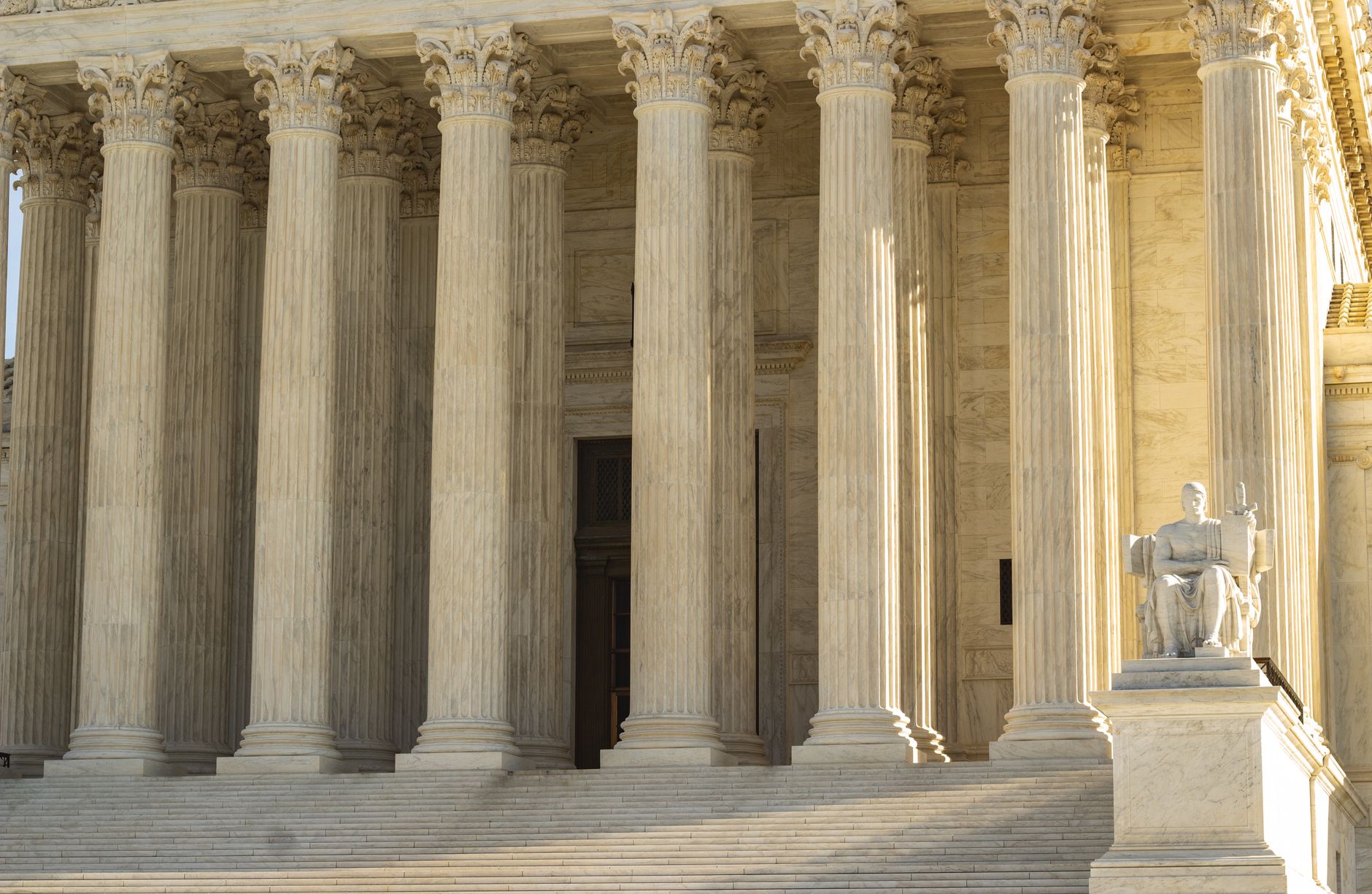
The Supreme Court of India, in a move resonating with the complexities of balancing religious liberty and state oversight, has declined a Public Interest Litigation (PIL) aimed at regulating religious institutions that educate children under the age of 14. The court's decision, delivered on Friday, highlights the enduring tension between the autonomy of religious bodies and the state's interest in ensuring educational standards.
Filed by concerned citizens, the PIL sought to impose regulations on religious institutions, which they argued, often operate without sufficient oversight, potentially compromising the educational development of children. The petitioners contended that such institutions should be subject to the same scrutiny as secular educational bodies to ensure a balanced and standardised education for all.
The Court's Deliberation
During the proceedings, the justices expressed their reluctance to interfere with religious teachings, stressing the importance of respecting religious freedom. The court acknowledged the petitioners' concerns but ultimately decided that the regulation of religious instruction did not fall within its purview, deferring instead to legislative bodies to address such matters if deemed necessary.
The court's decision is not without precedent. Similar attempts to regulate religious education have faced legal challenges, often being dismissed on the grounds of infringing upon religious autonomy. The judgement reflects a broader judicial philosophy that prioritises minimal interference in religious affairs, except in cases of clear constitutional violations.
Implications and Future Considerations
This decision leaves significant questions unanswered regarding the oversight of educational content provided by religious institutions. Advocates for reform argue that without regulation, children may receive an education that lacks the breadth and depth provided by secular institutions, potentially affecting their overall development and integration into a diverse society.
Conversely, proponents of religious freedom argue that such oversight might unduly burden religious practices and infringe upon rights enshrined in the constitution. They caution that any movement towards regulation must be carefully considered, ensuring that it does not encroach upon the fundamental freedoms of religion.
As the debate continues, this judgement acts as a reminder of the complex interplay between religious rights and educational standards in India. While the Supreme Court has made its stance clear, the conversation around how best to integrate religious education within the broader educational framework is likely to persist, calling for nuanced dialogue and legislative foresight.