Syama Prasad Mookerjee's Legacy to Enter Bengal Classrooms
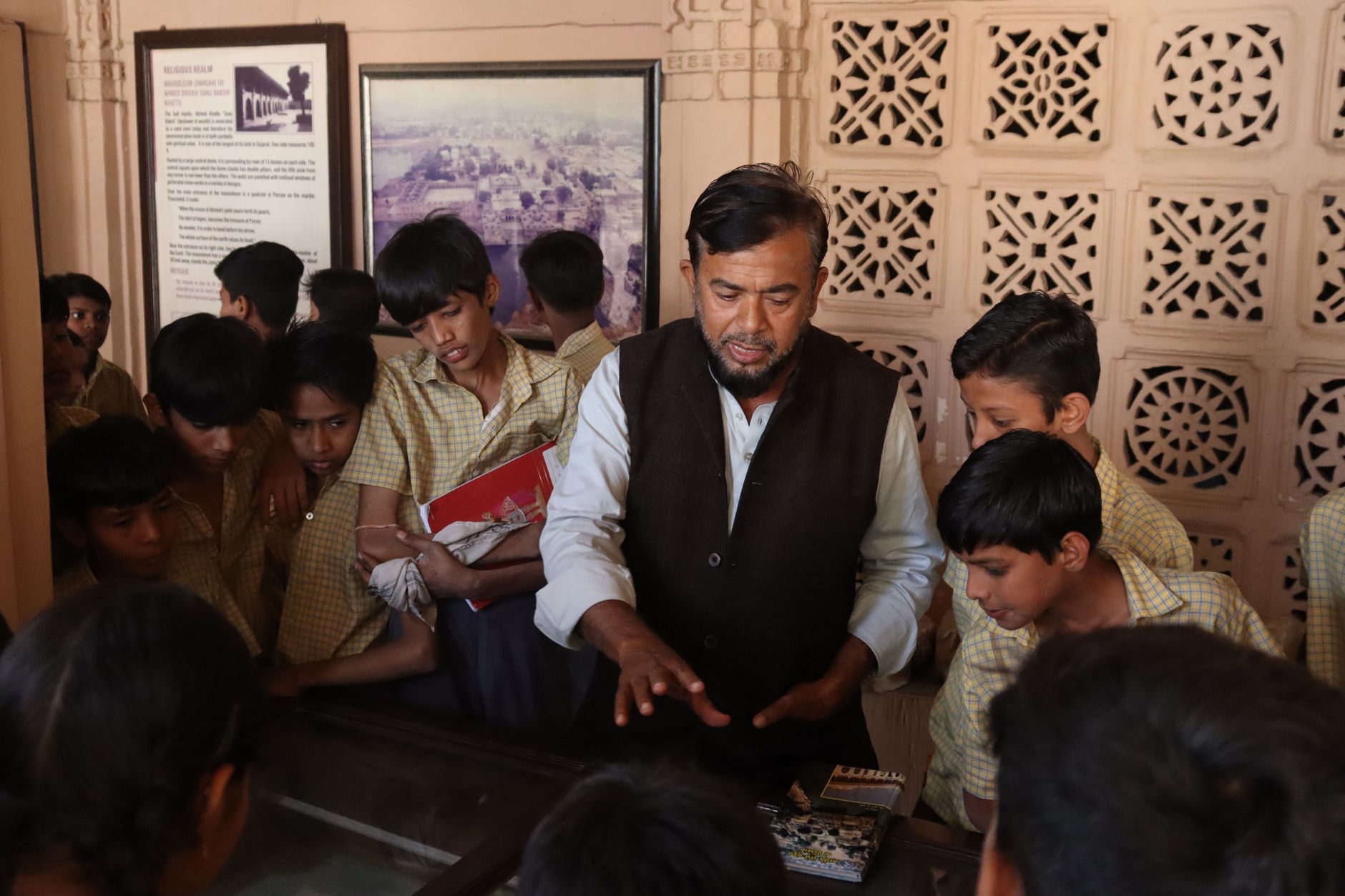
In a move that has sparked both interest and debate, the West Bengal government has decided to incorporate the life and contributions of Syama Prasad Mookerjee into the educational syllabus across all levels. Announced by Chief Minister Suvendu Adhikari, this initiative aims to shed light on the founder of the Bharatiya Jana Sangh’s pivotal role in shaping modern West Bengal.
Syama Prasad Mookerjee, a name synonymous with resistance against separatism, played a crucial role in the political landscape of pre- and post-independence India. His efforts in opposing the partition of Bengal and his subsequent contributions towards the integration of Kashmir into India are considered monumental by his supporters. BJP leader Anirban Ganguly has lauded the decision, emphasising that Mookerjee's sacrifices are integral to the existence of West Bengal today.
Revisiting Historical Narratives
This development is part of a broader strategy by the West Bengal government to revisit and perhaps revise the historical narratives presented to the youth. Alongside Mookerjee, the contributions of Swami Pranabananda are also set to be included, reflecting a shift towards a more inclusive recounting of history that recognises diverse contributions.
However, this initiative hasn't come without its share of criticism. Detractors argue that such moves are politically motivated, intended to influence the ideological leanings of students. Critics point to the timing of the announcement and the concurrent allocation of a Rs 300 crore grant to schools, questioning the intertwining of educational policy with political objectives.
Impact on Education
The inclusion of Mookerjee in the curriculum is expected to have a significant impact on how historical figures are perceived and studied in West Bengal. It raises questions about the criteria used for selecting figures of historical importance and how these decisions shape the collective memory of a region. While supporters argue that it is a much-needed correction of historical oversight, opponents caution against the potential for bias and the marginalisation of other historical figures.
As West Bengal embarks on this educational reform, the coming months will likely see further discussions on the role of education in shaping societal values and historical consciousness. For now, Syama Prasad Mookerjee takes his place in the annals of Bengal's educational narrative, amidst a backdrop of political and societal introspection.