Tagore's Rakhi: A Historical Symbol of Unity in Modern Politics
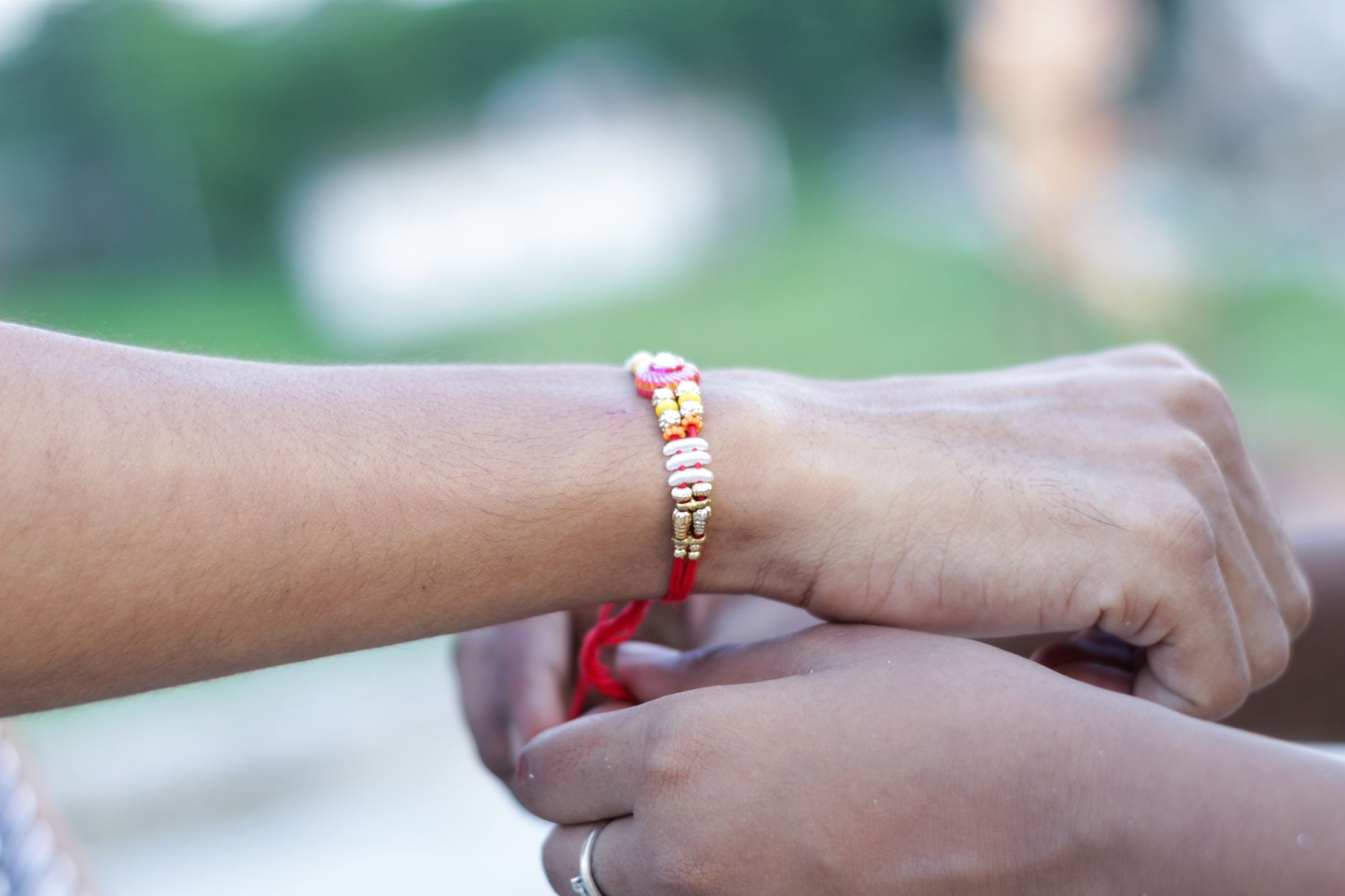
In the early dawn of the 20th century, amidst the political tumult of the Partition of Bengal, a singular figure emerged with a message as simple as it was profound. Rabindranath Tagore, the venerable poet and thinker, took the cultural tradition of Raksha Bandhan and transformed it into a powerful symbol of unity. By tying rakhis, people of different communities proclaimed their mutual solidarity, a quiet yet firm protest against the divisive politics of the era.
Fast forward to the present day, and Tagore's message of communal harmony finds renewed resonance. As political tensions simmer and divisions threaten the social fabric, the symbolic power of the rakhi as a tool of peaceful resistance is being embraced once again. The historical parallels are not lost on those who remember the poet's original intent: to bind communities together with threads of peace rather than allow them to be torn asunder by the forces of discord.
A Legacy of Non-violence
Tagore's initiative in 1905 was not merely a cultural gesture but a political act of non-violence. The poet eschewed the path of confrontation, choosing instead to wield the subtle strength of culture and tradition. This approach is echoed today in various parts of India, where cultural symbols are increasingly being used to foster harmony and resist divisive agendas.
For instance, in the state of West Bengal, the current political climate often sees leaders invoking Tagore's ideals, albeit without overtly naming any political factions. Chief Minister Mamata Banerjee's recent remarks underscore a commitment to resisting communal tensions, calling on the spirit of unity that Tagore so eloquently championed.
The Contemporary Relevance
While the world has changed significantly since Tagore's time, the essence of his message remains remarkably relevant. In an era where political rhetoric often seeks to divide, the simple act of tying a rakhi stands as a testament to the enduring power of non-violent protest. It is a reminder that, in the face of division, unity is not just desirable but essential.
As India continues to grapple with the challenges of communal tensions, the revival of Tagore's 1905 initiative serves as a poignant reminder of the power of peaceful resistance. It is a call to embrace the legacy of unity and to recognise that, sometimes, the most profound statements are made not with words, but with actions that speak to the very heart of human solidarity.