Taiz Hospitals on Brink as Houthi Siege Strangles Supply Lines
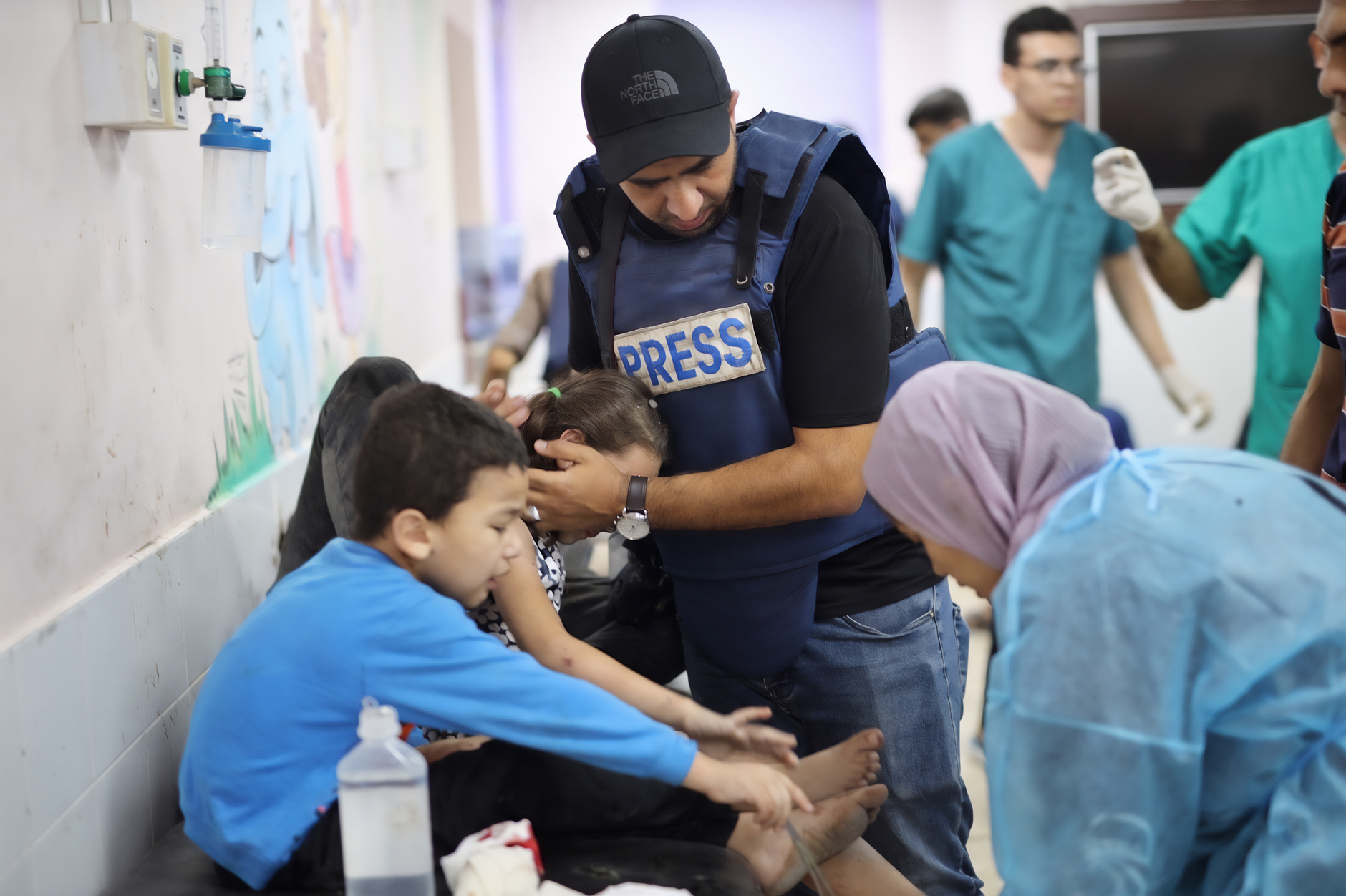
In the embattled Yemeni city of Taiz, a chilling forecast looms over its hospitals and clinics. As the Houthi siege tightens its grip, the health system teeters on the brink of collapse, with medical facilities echoing with the clatter of empty supply shelves and the hum of generators running on fumes.
The Yemeni government has sounded the alarm, declaring an impending health and humanitarian catastrophe should the blockade persist. Fuel shortages, combined with the dearth of essential medicines, leave doctors and nurses unable to perform even the most basic of medical procedures. Ambulances sit idle, and emergency interventions are postponed indefinitely.
"We are struggling to keep the lights on," confides one hospital administrator, whose voice betrays both frustration and desperation. "Every day, we face the gut-wrenching decision of who gets treated and who must wait, often with dire consequences."
Beyond the hospital walls, the people of Taiz are enduring a daily battle for survival. The siege has choked off supply routes, leaving the city's 600,000 residents in a precarious state. Food prices have soared, and clean water is scarce.
A Call for Action
The internationally recognised Yemeni government has placed the blame squarely on the Houthi group, imploring them to lift the siege and open humanitarian corridors. They argue that without swift action, the already dire situation could escalate into an unmanageable disaster, not just for Taiz but for the wider region.
While diplomatic efforts are underway, the reality on the ground remains stark. The international community faces a critical test: will they succeed in alleviating the suffering, or will the siege continue to strangle a city already on its knees?
As the clock ticks, urgency mounts. The future of Taiz hangs in the balance, its fate tethered to the actions of those with the power to change its course.