Taliban's Education Ban: A Generation of Afghan Girls Left Behind
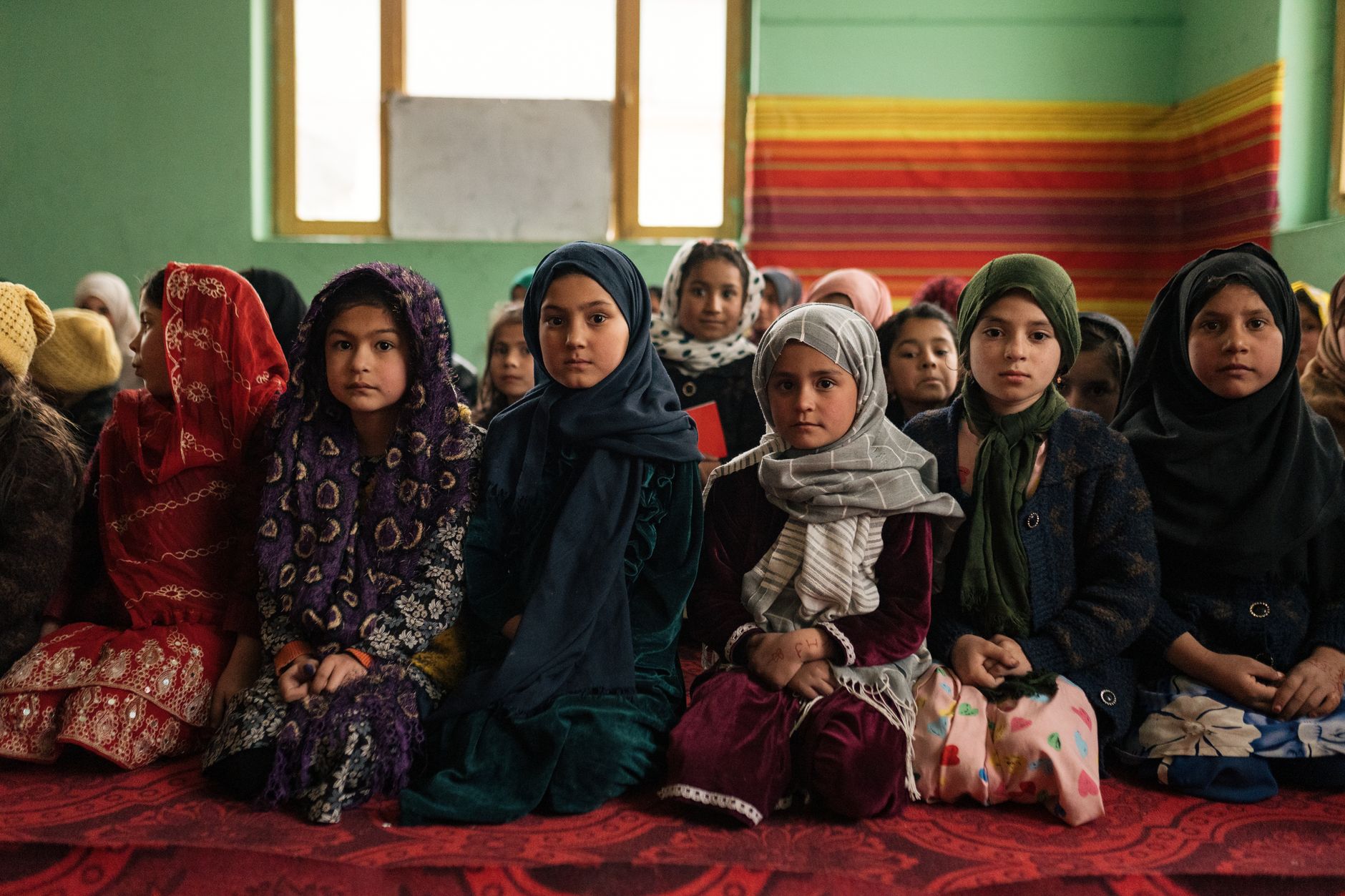
In a sombre reminder of the fragility of progress, UNESCO has revealed that approximately 2.4 million Afghan girls have been effectively barred from attending secondary school since the Taliban's return to power in 2021. This startling figure highlights the grim reality facing Afghanistan's young female population, whose aspirations have been ruthlessly curtailed by a regime rooted in patriarchal traditions.
For two years now, the Taliban's stringent policies have reversed two decades of educational advancements made possible by international efforts and local resilience. The ban on education for girls beyond the sixth grade has drawn widespread condemnation, with UNESCO branding it a violation of a fundamental human right. "Education is not a privilege; it's a basic human right," stated Audrey Azoulay, Director-General of UNESCO, echoing the sentiments of millions who view education as a cornerstone of personal and societal growth.
Afghanistan's educational landscape was not always this bleak. Following the US-led intervention in 2001, substantial strides were made in increasing literacy rates and school attendance among girls. Schools were built, teachers trained, and curriculums developed, fostering an environment where dreams could flourish. However, the Taliban's draconian measures have undone much of this progress, leaving a generation of girls in an educational limbo.
The ramifications of this ban are far-reaching. Education is a catalyst for economic empowerment, social mobility, and overall national development. Without it, millions of Afghan girls are left vulnerable to early marriage, labour exploitation, and perpetual poverty. The future workforce of Afghanistan, already beleaguered by decades of conflict, faces further stagnation.
International pressure continues to mount on the Taliban to revoke these educational restrictions. Governments, NGOs, and activists worldwide have consistently called for the restoration of girls' education, asserting that the nation's future prosperity hinges on women's contributions. Yet, the Taliban remain resolute, citing incongruous interpretations of religious doctrine as justification.
As the world watches, the plight of Afghan girls serves as a poignant reminder of the enduring struggle for gender equality. For many, the hope is that global advocacy and internal resilience will eventually break through the barriers imposed by the Taliban, allowing Afghan girls to once again pursue the education they rightfully deserve.