Technology's Role in Combating Delhi's Persistent Smog
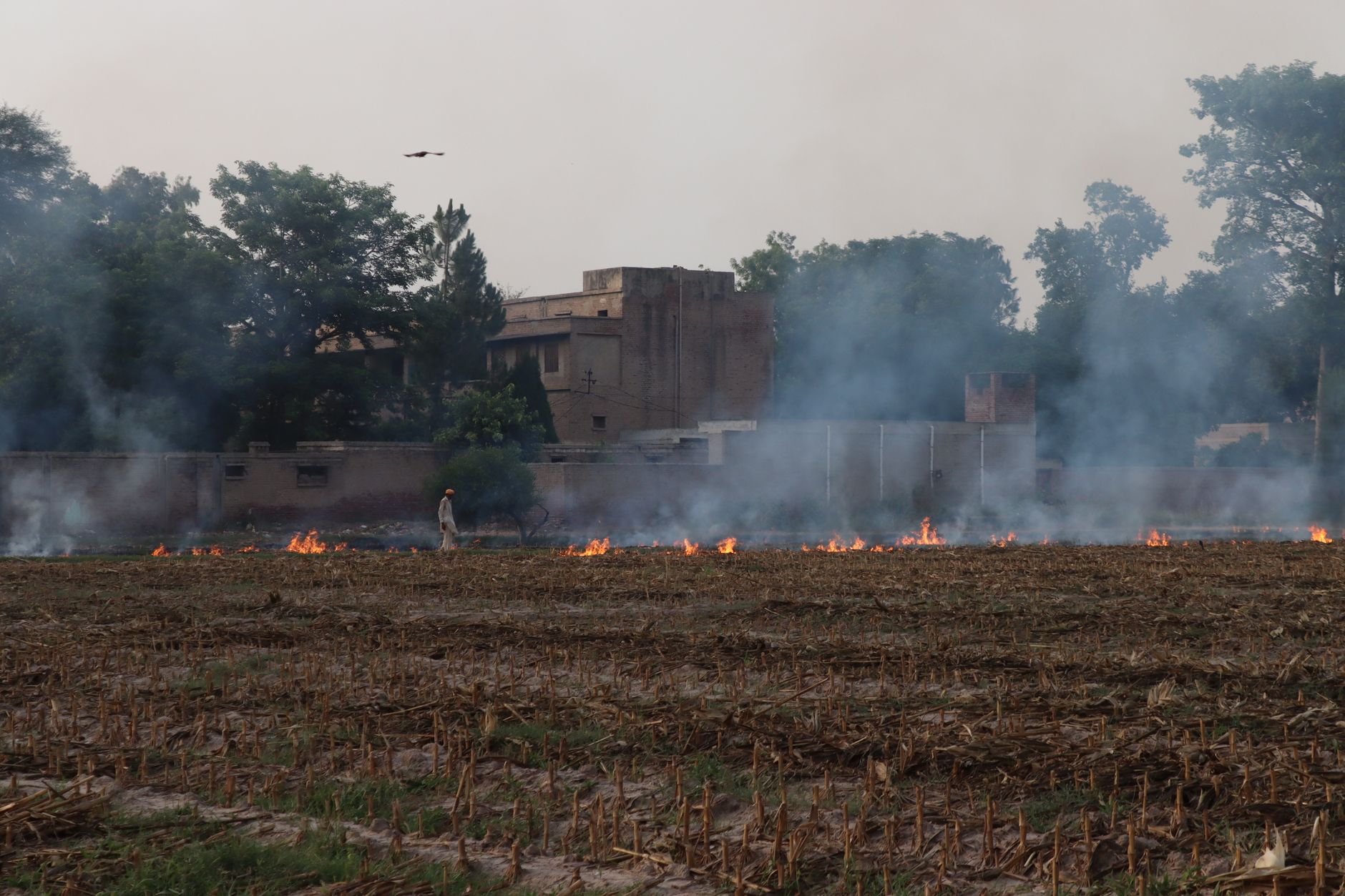
In the chilling months of the year, as the mercury dips, Delhi's skyline once again becomes a hazy silhouette. The infamous smog, an unwelcome annual visitor, is back with a vengeance. While the capital's residents brace themselves for the onslaught of respiratory issues and vehicular slowdowns, the question looms large: can technology avert another environmental crisis?
Despite a notable reduction in stubble-burning incidents in Punjab and Haryana, its impact on Delhi's air quality remains significant. Recent satellite data shows a worrying trend, with numerous farm fires still being recorded. These fires contribute to approximately 16.3% of the city's pollution, as per expert forecasts.
The Commission for Air Quality Management has deployed flying squads across 34 districts to monitor and curb these activities. Yet, the root of the problem seems to lie deeper than mere enforcement. It is entrenched in the socio-economic fabric of the agricultural states.
Technological Interventions: A Ray of Hope?
Amidst the gloom, technology offers a glimmer of hope. Satellite monitoring systems are now providing real-time data on air quality and potential stubble-burning incidents. These systems not only track fire counts but also analyse wind patterns to predict the smog spread. Coupled with AI-driven data analytics, these tools are expected to provide actionable insights.
For instance, predictive models can forecast pollution spikes, allowing authorities to implement emergency measures in advance. However, while these technologies are promising, their implementation faces challenges. The integration of such systems requires robust infrastructure and cooperation across various sectors, which is currently lacking.
Beyond Technology: The Human Element
Ultimately, technology alone cannot solve Delhi's smog problem. Behavioural change among farmers, stricter enforcement of environmental regulations, and long-term policy shifts are imperative. Public awareness campaigns and incentives for adopting cleaner farming practices could complement technological efforts.
As Delhi navigates another winter under the cloak of smog, the role of technology will be crucial. Yet, without a concerted effort involving all stakeholders, the city may find itself in the same predicament next year.