Teen Innovator from Minnesota Transforms Peanut Shells into Pesticide Remover
Amidst the sprawling suburbs of Minnesota, a 13-year-old student has made a breakthrough that could revolutionise how we consume our fruits and vegetables. Arika Kundu, with a keen eye for innovation and a passion for science, has developed an ingenious method to turn peanut shells, often discarded as waste, into a powerful tool for food safety.
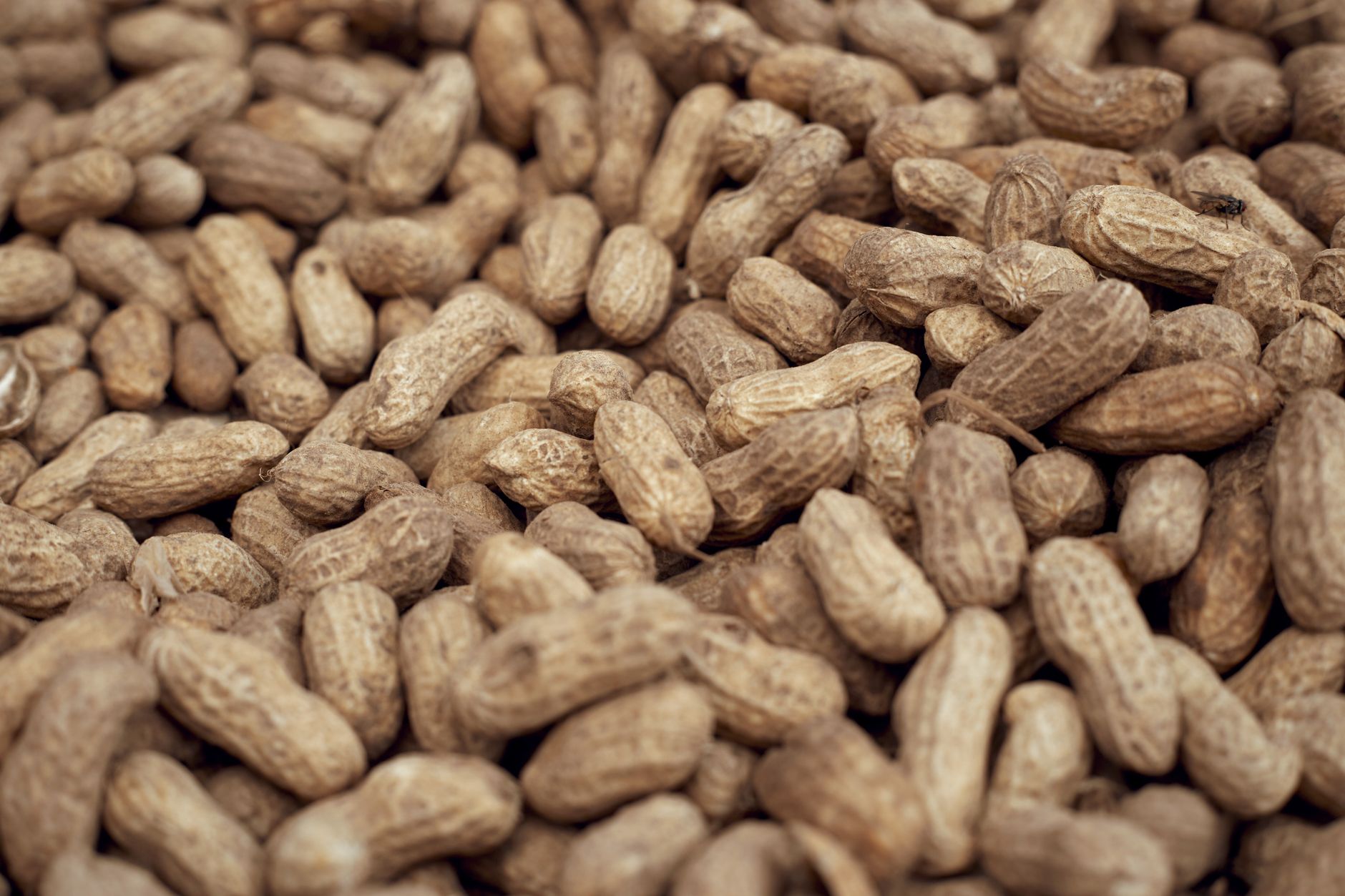
Arika's project, aptly named LIGNEX, involves grinding peanut shells into a fine powder, which is then transformed into a carbon-rich char by heating it to 500 degrees Celsius. The result is a material capable of absorbing pesticide residues from produce, a boon for consumers wary of chemical exposure.
The Science Behind LIGNEX
The process begins with the collection of peanut shells, an abundant form of agricultural waste. These shells are ground and subjected to high temperatures, a step that purifies them and enhances their carbon content. This carbon-rich char acts as an adsorbent, binding with pesticide molecules and effectively stripping them from the surface of fruits and vegetables.
This method not only promises a reduction in pesticide residues but also addresses the issue of agricultural waste, showcasing a sustainable approach to food safety. Arika's project, part of the 3M Young Scientist Challenge, highlights the potential of young innovators to tackle pressing environmental and health issues.
Impact and Future Prospects
Arika's ingenuity has not gone unnoticed. Her invention is a testament to the power of youth-led innovation in addressing global challenges. The potential applications of LIGNEX are vast, from household kitchens to commercial food processing units, offering an affordable way to enhance the safety of our food supply.
While Arika's method is still in its developmental stages, the implications are profound. As consumers become increasingly conscious of the chemicals in their food, solutions like LIGNEX offer a promising alternative. This project reflects a growing trend among young scientists who are not only aware of the world's problems but are actively seeking solutions.
In a world grappling with environmental degradation and food safety concerns, Arika Kundu's innovation serves as a beacon of hope and a reminder that sometimes, the simplest of solutions can come from the most unexpected places.