Teen Scientist Turns Peanut Shells into Pesticide Remover
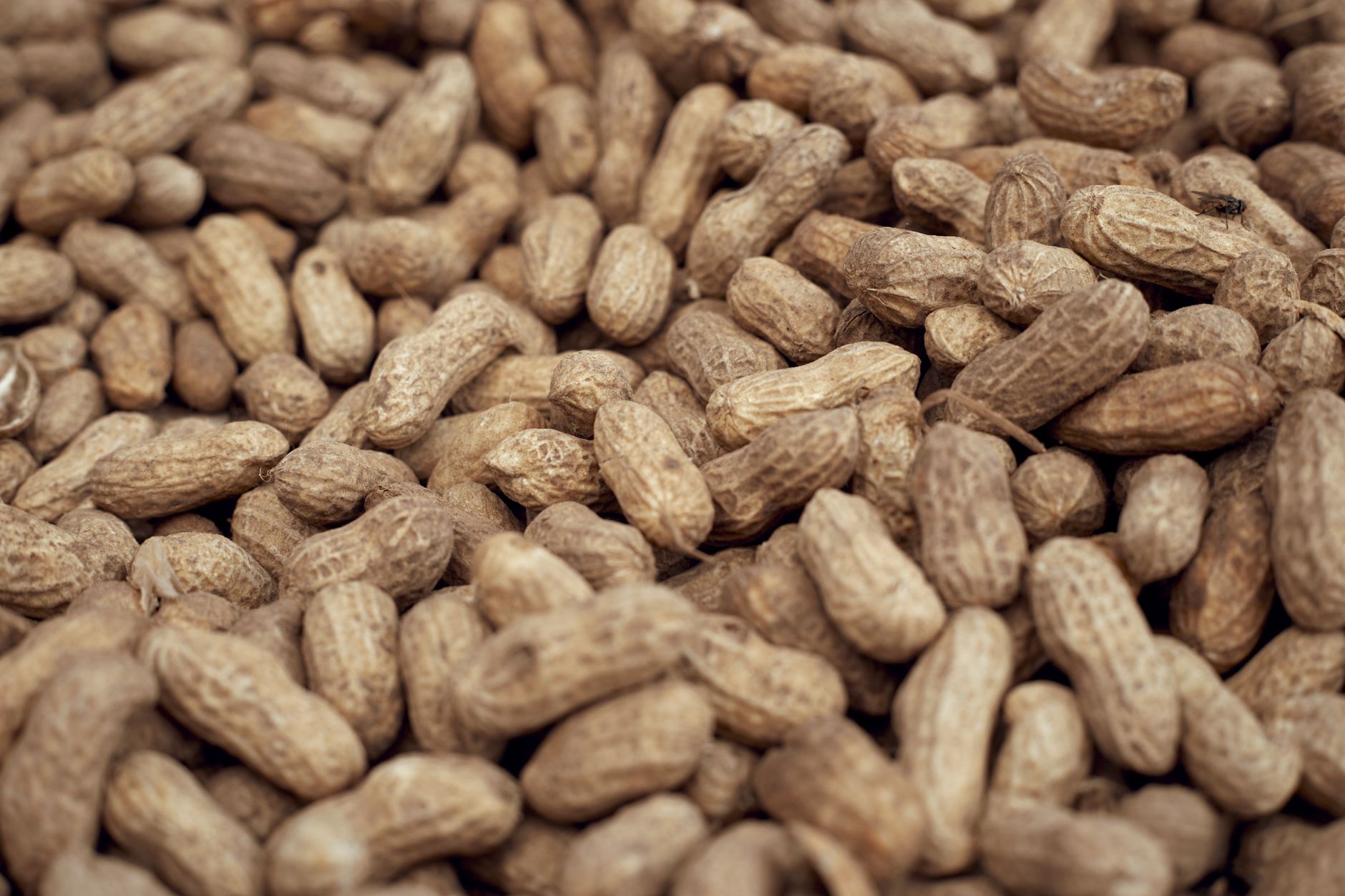
Peanut shells, often dismissed as mere waste, have been given a new lease of life by a prodigious young mind. Arika Kundu, a 13-year-old Indian-American student from Minnesota, has ingeniously devised a method that transforms these discarded shells into a material capable of removing pesticide residues from fresh produce.
Her creation, aptly named LIGNEX, addresses two pressing issues at once: the reduction of agricultural waste and the enhancement of food safety. While these shells typically end up in the bin, Kundu's method repurposes them, offering an eco-friendly alternative to conventional cleaning processes.
The Birth of LIGNEX
Kundu's interest in science and innovation took root at an early age. Her project, which earned her recognition in the prestigious 3M Young Scientist Challenge, combines her passion for material science with practical solutions. The process involves the use of simple tools to treat and convert peanut shells into a suitable form for absorbing pesticide residues.
Her method not only showcases the potential of agricultural waste but also highlights the importance of sustainable practices in everyday life. By making safer food more accessible, Kundu's invention could have far-reaching implications for both consumers and producers alike.
A Young Scientist's Vision
Arika's journey began with a simple question: can something as mundane as peanut shells contribute to a healthier world? Her affirmative answer demonstrates the power of curiosity coupled with scientific inquiry.
In an era where food safety concerns are paramount, and the impact of pesticides on health is under scrutiny, innovations like LIGNEX could pave the way for cleaner, safer consumption. Moreover, Kundu's work serves as an inspiration for young minds globally, proving that age is no barrier to impactful scientific contribution.
While her invention is still in its nascent stages, the potential applications for LIGNEX extend beyond the kitchen. It could be a stepping stone towards more comprehensive environmental solutions, encouraging further research into sustainable materials and methods.
As Arika Kundu continues her educational journey, her pioneering work is a testament to the ingenuity and potential of the next generation of scientists. In a world grappling with waste management and food safety, her innovative spirit shines brightly.