The 1981 By-Election That Shaped Tamil Nadu's Political Future
In the summer of 1981, the political landscape of Tamil Nadu was abruptly shaken by a by-election that would come to define the trajectory of the state's politics for years to come. It was not just another electoral contest; it was a turning point, characterised by unexpected alliances and strategic manoeuvres.
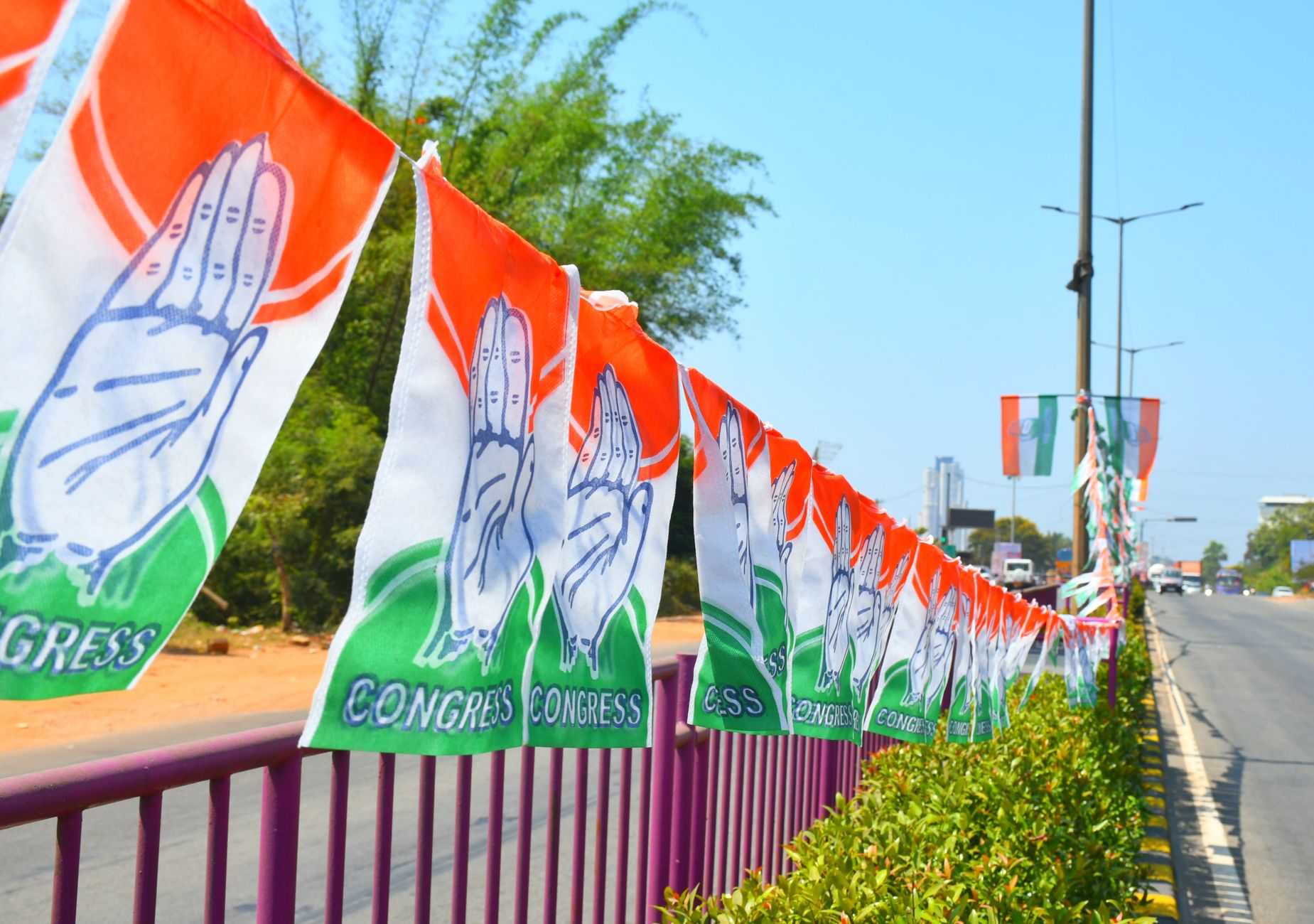
The by-election in question was for the Tiruppathur Assembly constituency. What made it particularly noteworthy was the decision of M.G. Ramachandran, the charismatic Chief Minister and leader of the All India Anna Dravida Munnetra Kazhagam (AIADMK), to refrain from fielding a candidate. Instead, MGR, as he was fondly known, extended his support to the Congress-I candidate. This move left political analysts and opponents alike in a state of bewilderment.
A Calculated Gamble
MGR's decision was not a mere act of political charity. It was a calculated gamble aimed at strengthening his party's strategic position. By aligning with the Congress-I, MGR sought to consolidate his influence over the state and counterbalance the rising popularity of the Dravida Munnetra Kazhagam (DMK), led by M. Karunanidhi. The alliance was seen as a masterstroke, as it not only ensured a win for Congress-I but also fortified AIADMK's footing in the coalition politics of the time.
However, the ramifications of this by-election extended beyond immediate electoral gains. It set a precedent for political alliances in Tamil Nadu, demonstrating the power of strategic partnerships over conventional party lines. MGR's support for Congress-I was seen as a tactical move to ensure stability in governance, showcasing his knack for political pragmatism.
Long-Term Implications
The 1981 by-election had lasting implications for Tamil Nadu's politics. It underscored the importance of coalition-building in a state known for its dynamic and often volatile political environment. The success of the Congress-I candidate with AIADMK's backing highlighted the potential of cross-party collaborations, a lesson not lost on future political leaders.
In retrospect, this by-election was more than just a contest for a legislative seat. It was a catalyst for change, prompting political realignments and setting the tone for future electoral strategies in Tamil Nadu. The echoes of MGR's decision reverberate even today, as political parties continue to navigate the complex web of alliances and rivalries that define the state's political landscape.