The Battle Against Sea Lampreys: A Necessary Sacrifice
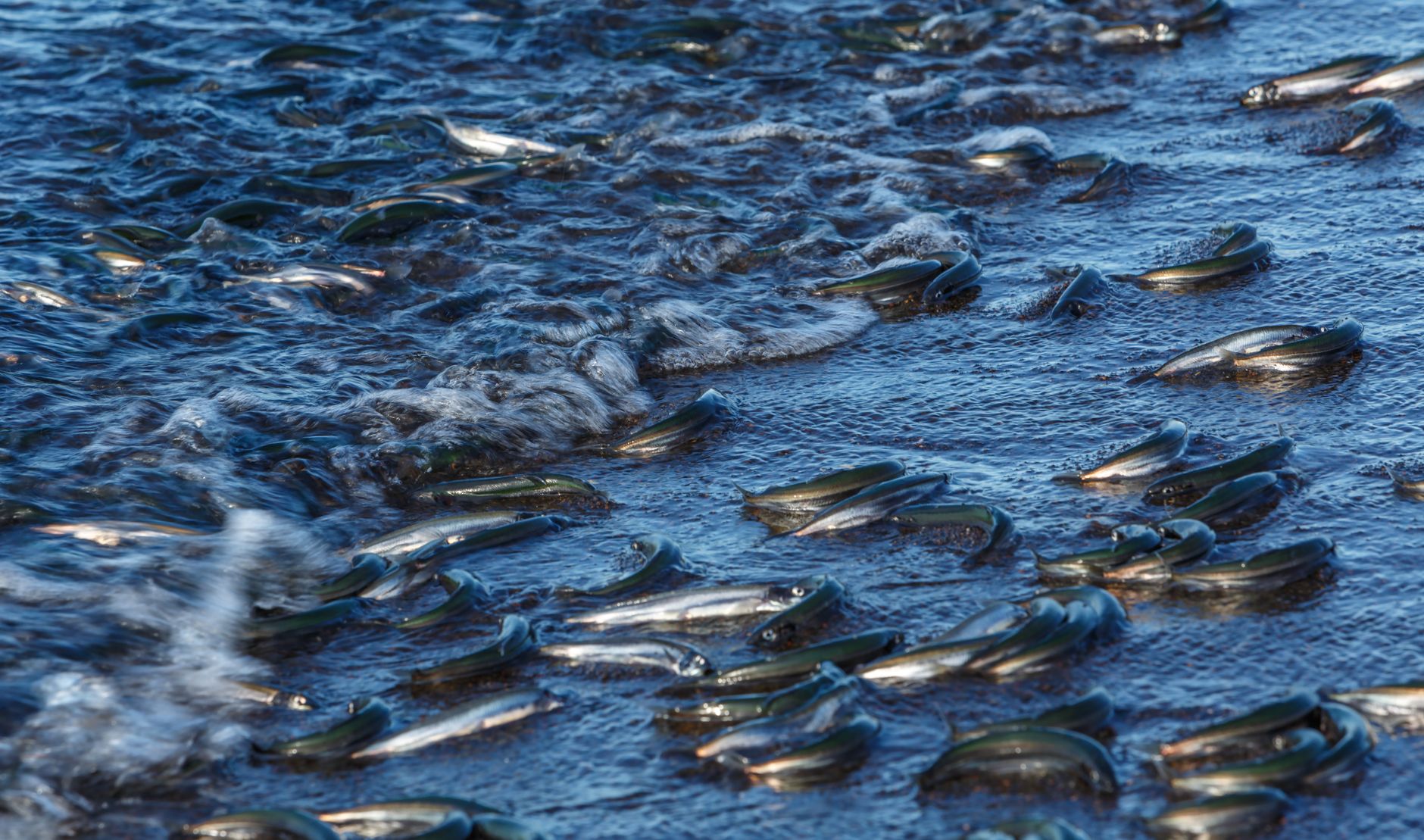
In the quiet waters of the Great Lakes, an unseen battle rages on. It is a battle waged not with swords and shields, but with scientific precision and a grim resolve. Every year, scientists embark on a 'forbidden experiment' of sorts, culling nearly nine million sea lampreys. These parasitic creatures, resembling something out of a horror film with their circular mouths filled with razor-sharp teeth, are the uninvited guests threatening the delicate balance of the lakes' ecosystem.
The sea lamprey has a voracious appetite, each capable of annihilating approximately 40 pounds of fish annually. Introduced to the Great Lakes through shipping canals in the early 20th century, they have since wreaked havoc on native fish populations. Left unchecked, they could decimate the region's fishing industry, valued at billions of dollars.
To combat this, a cross-border initiative involving both Canadian and U.S. agencies has been established. Their mission is as clear as it is daunting: control the lamprey population and protect the native species. This involves a combination of methods including the collection and extermination of lampreys at dams, and the use of chemical lampricides that selectively target this invasive species while sparing others.
The Pandemic Disruption
However, the COVID-19 pandemic has introduced unprecedented challenges. With operations scaled back, the lamprey population briefly surged, reminding scientists of the fragility of their control measures. Yet, the necessity of the culling programme is underscored by the ecological and economic catastrophe that could follow its failure.
Interestingly, in stark contrast, regions like the Connecticut River system have witnessed efforts to restore sea lamprey populations. These native lampreys play a very different role in their ecosystems, contributing to natural processes such as nutrient cycling.
As scientists continue their work, the 'forbidden experiment' of sea lamprey control remains a controversial yet crucial endeavour. It is a testament to the complexities of ecological management in an interconnected world.