The Birthplace of Supermassive Black Holes Unveiled
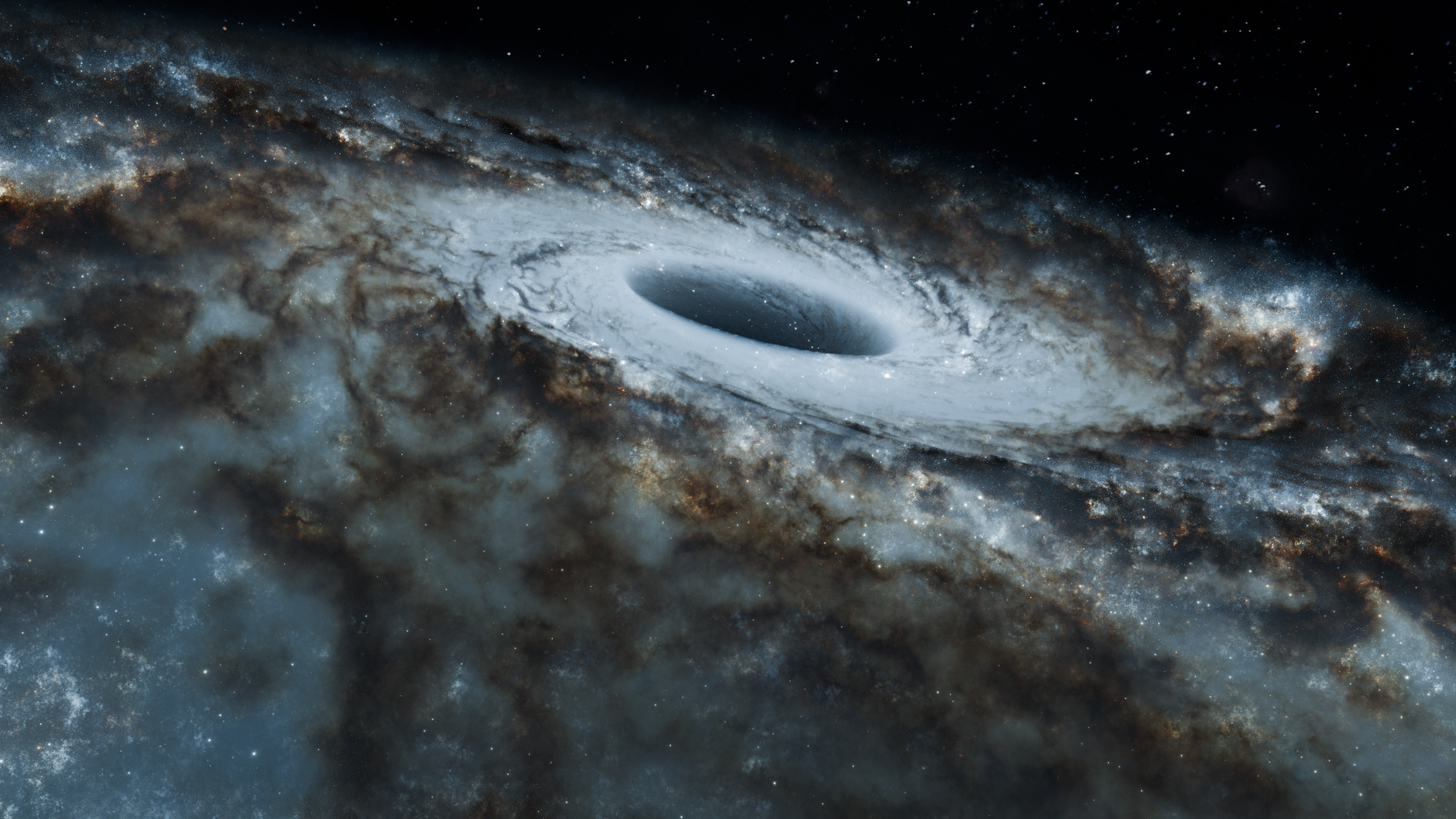
Peering into the distant past, a group of astronomers has taken a significant step towards understanding the origins of supermassive black holes, those enigmatic giants lurking at the heart of most massive galaxies. By measuring the environment where these colossal entities first formed, scientists are piecing together the cosmic puzzle of their evolution.
The research, conducted through advanced cosmological simulations, suggests that the seeds of supermassive black holes might have emerged via direct collapse a mere 13.64 billion years ago—remarkably, less than 500 million years after the Big Bang. This revelation challenges the existing 'bottom-up' model, which posits that black holes gradually grow from smaller entities left behind by dying stars.
Dr. Emily Carter, a leading astrophysicist involved in the study, remarked, "Understanding the conditions that allowed the first supermassive black holes to form is crucial for comprehending the universe's evolution." The study utilises a simulation depicting gas density distributions around nascent black holes at a redshift of z=12, offering a glimpse into the primordial cosmos.
Unveiling the Cosmic Nursery
The formation of supermassive black holes in the universe's infancy is not just an academic curiosity. These entities have played a pivotal role in shaping galaxies, influencing star formation, and even affecting the chemical makeup of the cosmos. By examining the conditions that facilitated their birth, scientists hope to unlock further secrets of cosmic evolution.
The simulations reveal a vibrant interplay of gas and dark matter, forming the perfect cradle for these black hole seeds. The findings suggest that certain environmental factors, such as gas density and temperature, were critical in allowing these massive entities to emerge so early in the universe's timeline.
Implications for Future Research
This study not only provides a new perspective on the birth of supermassive black holes but also sets the stage for future explorations. As telescopes and observational technologies advance, researchers hope to confirm these findings with direct astronomical observations.
Moreover, understanding the formative conditions of these celestial giants could offer insights into the nature of dark matter and the role it played in the early universe. As Dr. Carter notes, "The more we learn about these early cosmic phenomena, the better we understand the universe's grand narrative."