The Breastfeeding Conundrum: Early Start, Early Finish
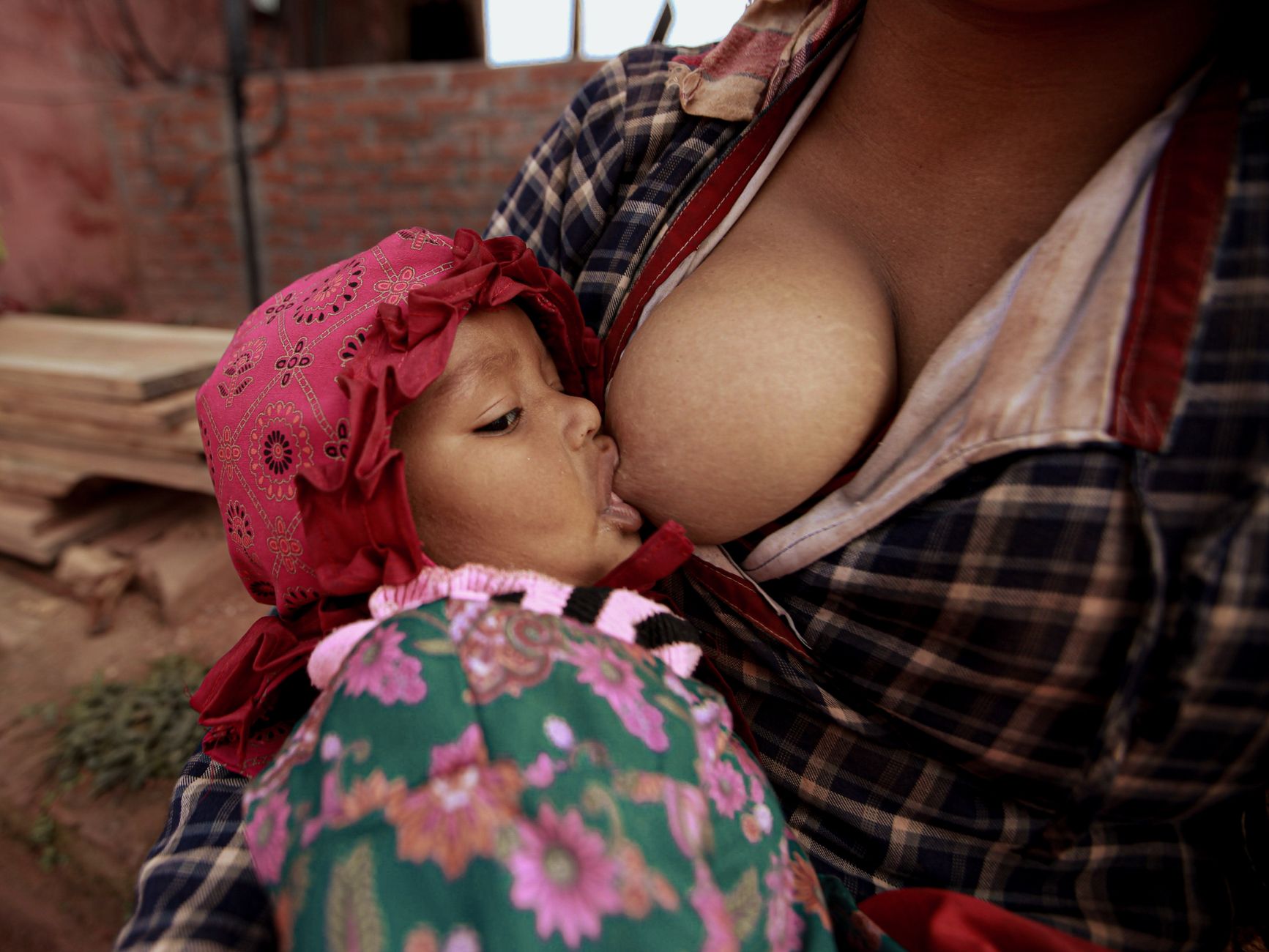
In the bustling delivery rooms of Ukraine, a heartening scene unfolds as three in four newborns are placed at their mother's breast within the first hour of life. This early initiation of breastfeeding is a crucial step, setting the stage for a myriad of health benefits for both mother and child. However, a stark contrast emerges as these infants grow; by six months, fewer than half are exclusively breastfed, according to the latest data from the 2025–2026 Multiple Indicator Cluster Survey.
The World Health Organization (WHO) and UNICEF have long advocated for exclusive breastfeeding during the first six months, a practice linked to reduced infant mortality and enhanced health outcomes. Yet, globally, only 43% of infants receive this critical nourishment exclusively.
The Benefits of Breastfeeding
Breastfeeding is not merely a lifestyle choice but a potential lifesaver. Research indicates that babies who are not breastfed are significantly at risk, being 14 times more likely to succumb to infections and other health complications than their breastfed counterparts. Breast milk provides essential nutrients and antibodies that bolster an infant’s immune system, offering protection against diseases.
Challenges and Barriers
Despite the evident benefits, mothers face various hurdles in maintaining exclusive breastfeeding. Social pressures, lack of support in workplaces, and misinformation contribute to the decline post the initial breastfeeding phase. Many mothers return to work without adequate maternity leave or breastfeeding facilities, making sustained breastfeeding a daunting task.
Moreover, in an era where infant formula is aggressively marketed, some mothers may be swayed by misconceptions about the adequacy of their milk. This is compounded by a lack of comprehensive breastfeeding education and support networks.
Moving Forward
The Ministry of Health in Ukraine has underscored the importance of breastfeeding as part of World Breastfeeding Week, calling for increased awareness and support for new mothers. Potential solutions include extended maternity leave, breastfeeding-friendly workplace policies, and robust public health campaigns to dispel myths surrounding breastfeeding.
Addressing these barriers is essential to improve exclusive breastfeeding rates and, by extension, the health of future generations. A concerted effort from governments, healthcare providers, and communities could make a difference in closing the gap between early breastfeeding initiation and its continuation over the critical first six months.