The Chilling Role of Glaciers in Nepal's Disasters
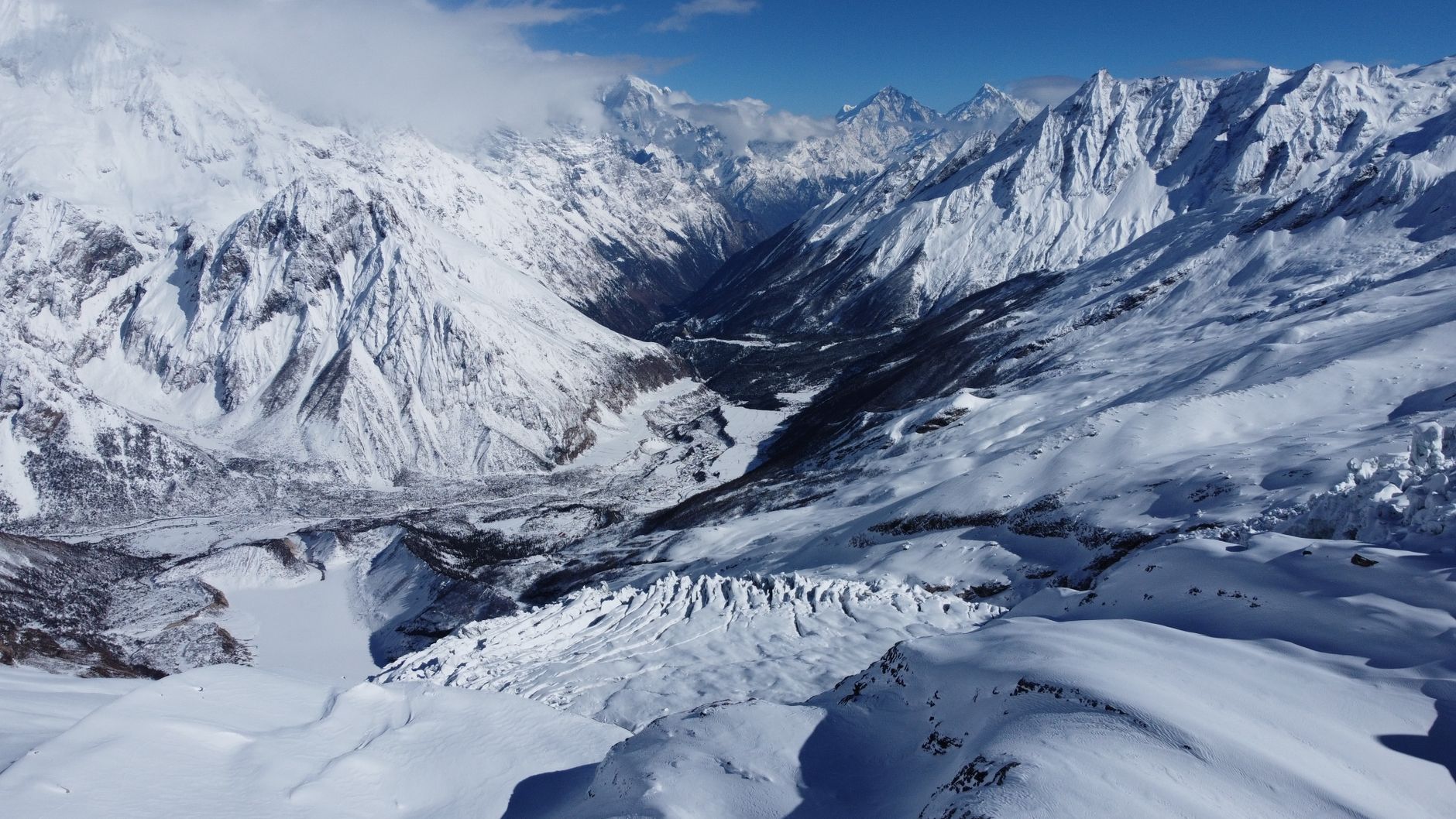
High in the Himalayas, where the mighty peaks pierce the sky, a silent threat brews. The glaciers, which once stood as majestic sentinels, are now precariously melting, posing significant risks to the region. Nepal, caught between the relentless push of tectonic plates and the unforgiving grip of climate change, is witnessing an alarming increase in glacier-induced disasters.
A Catastrophe Unleashed
Just days ago, the collapse of a glacier in Tibet sent a torrent of water and debris cascading through Nepal’s valleys. Hundreds perished, and many more remain unaccounted for, as villages were swept away by the deluge. This tragedy underscores a grim reality: the glaciers of the Himalayas, once considered stable, are becoming increasingly volatile.
The incident has drawn attention to the broader implications of climate change in the region. Scientists have long warned of the dangers posed by retreating glaciers, yet their cries have often gone unheard amidst the din of political and economic priorities. Now, with the scale of the disaster painfully evident, there is a renewed urgency to address the issue.
Geological and Climatic Challenges
Nepal’s geographical position exacerbates its vulnerability. The country sits atop the Indian tectonic plate, which is perpetually colliding with the Eurasian plate. This geological dance not only causes frequent earthquakes but also influences glacial movements. Add to this the rising global temperatures, and you have a recipe for potential catastrophe.
The National Disaster Risk Reduction and Management Authority of Nepal has been striving to implement more robust disaster preparedness programmes, but the challenges are immense. The unpredictable nature of glacial behaviour, coupled with the sheer scale of possible disasters, makes comprehensive planning a Herculean task.
Local communities, who are often the first to bear the brunt of such disasters, are striving to adapt. Traditional knowledge combined with modern technology offers some hope, but the path forward is fraught with difficulties. There is a pressing need for international cooperation to support Nepal in its efforts to mitigate these risks.
As the world continues to grapple with the consequences of climate change, Nepal’s plight serves as a stark reminder of the urgent need for action. The glaciers, once revered as ancient guardians, are now a reminder of nature’s unpredictable wrath, demanding respect and swift action from humanity.