The Cosmic Lockdown: Quantum Fields and Environmental Isolation
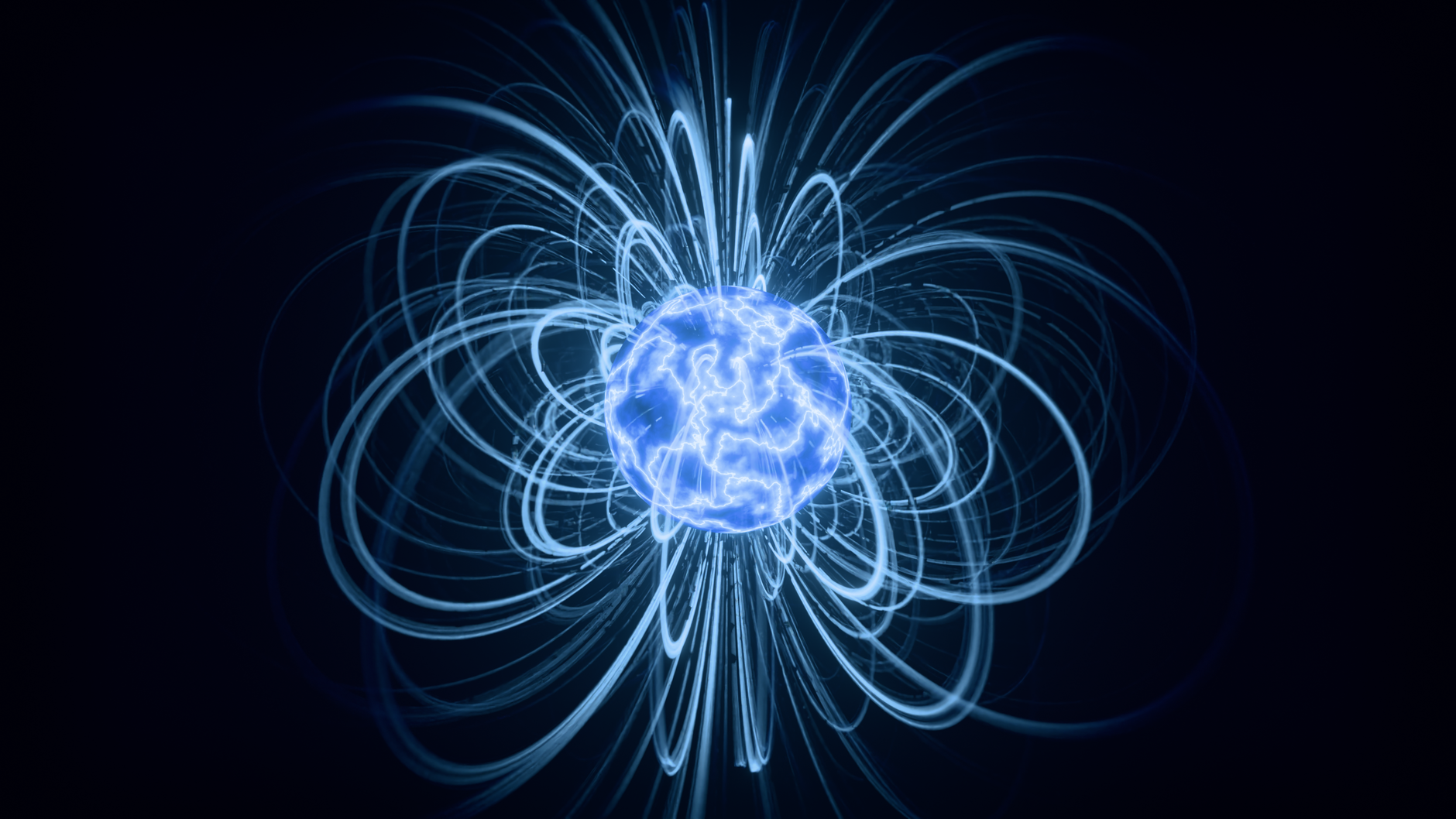
In the ever-expanding universe of theoretical physics, a curious phenomenon known as 'cosmic lockdown' has piqued the interest of scientists. This intriguing concept suggests that quantum fields, the fundamental entities of the universe, may find themselves trapped in a state of stasis due to environmental influences. The mechanism at play here is akin to the quantum Zeno effect, where constant observation can freeze a quantum system in its current state.
The roots of this idea can be traced back to the early 20th century when quantum field theory began to take shape. Initially developed to describe the interactions between light and electrons, this theory has now expanded to include the broader cosmos. It helps us understand the forces that govern everything from subatomic particles to the vast expanses of the universe.
At the core of the cosmic lockdown is the notion of decoherence, a process where quantum systems lose their coherence due to interactions with their environment. In simplified cosmological models, this decoherence can suppress quantum tunnelling, effectively locking fields into the vacuum state they have reached. This stabilisation might sound benign, but it carries profound implications for our understanding of the universe's fabric.
The Quantum Zeno Effect
The quantum Zeno effect, named after the ancient Greek philosopher Zeno of Elea, posits that a system can be prevented from evolving by measuring it frequently. In the context of cosmic lockdown, environmental monitoring stabilises enhanced false-vacuum occupation for light fields by preventing them from tunnelling. This is not just a theoretical curiosity but a potential window into how cosmic phenomena might govern quantum behaviour.
Why does this matter? The idea that the environment can dictate the behaviour of quantum fields challenges some of our most basic assumptions about the universe. It suggests that the cosmos itself might play an active role in shaping the laws of physics, potentially leading to new insights into the nature of reality.
As scientists continue to explore these cosmic mysteries, the concept of cosmic lockdown serves as a reminder of the universe's complexity and the delicate interplay between observation and existence. It's a testament to how far we've come in our quest to understand the cosmos and a hint at how much further we still have to go.