The Crucial Complexity of Preserving the World's Forests
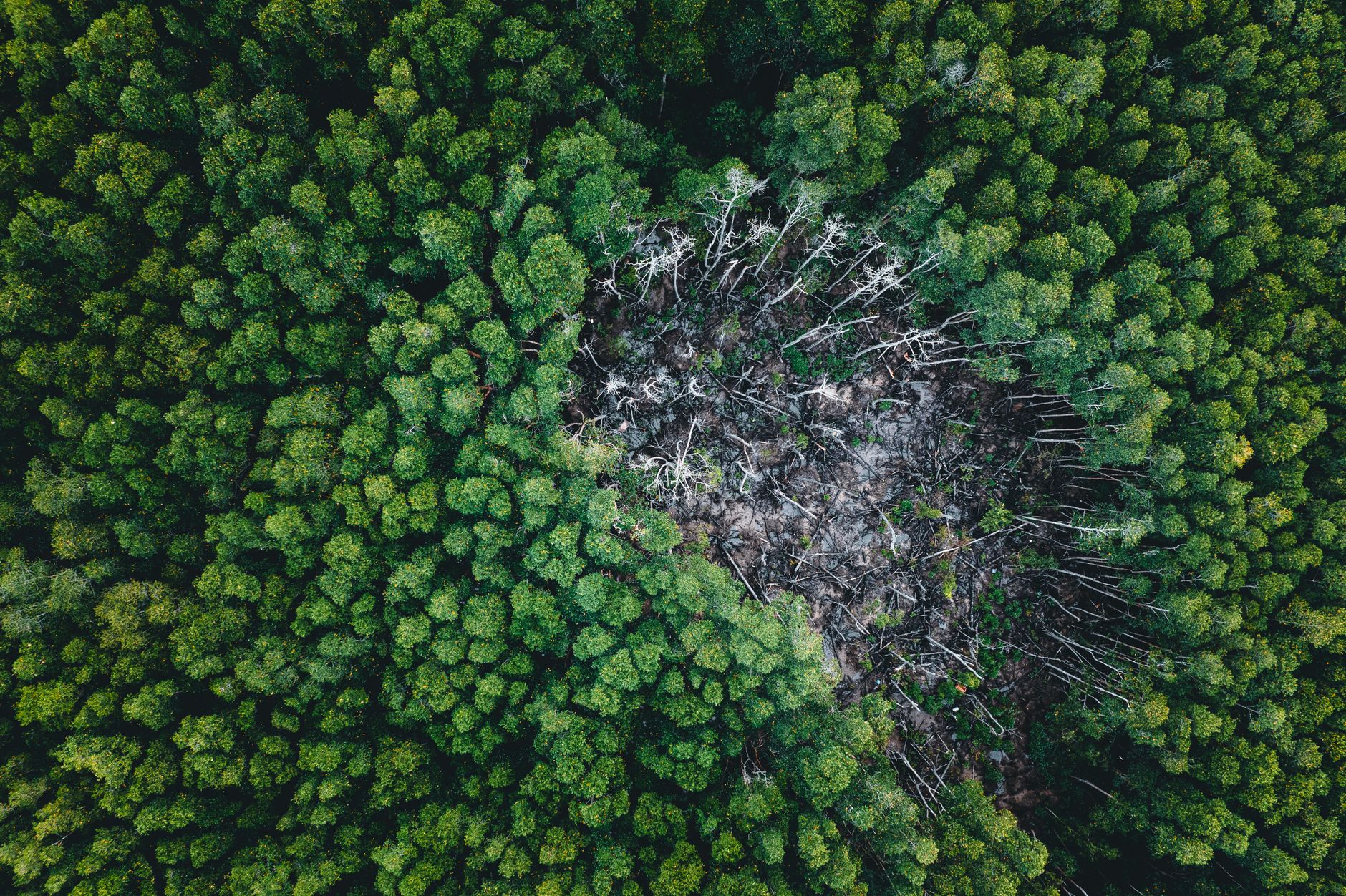
In the heart of Siberia, a vast expanse of trees stretches across the horizon, embodying the critical role that primary forests play in our planet's ecological balance. These primary forests, undisturbed by human activity, are not merely clusters of trees. They are intricate ecosystems that support a staggering diversity of life, from the smallest insects to the largest mammals.
Yet, the world’s understanding of forests often falls into simplistic categories. Not all forests are created equal, and this distinction is crucial. Primary forests, also known as intact forest landscapes (IFL), provide irreplaceable ecological services. They act as carbon sinks, sequestering vast amounts of carbon dioxide, and maintain biodiversity that is often irreplaceable.
The Distinction Matters
While tree planting initiatives are commendable, a newly planted grove does not equate to a primary forest. The difference lies not only in age but in ecological complexity and resilience. New plantations may serve as carbon offsets, but they lack the intricate layers of life and interdependence found in primary forests.
Deforestation and tree cover loss are terms often used interchangeably, yet they represent different phenomena. Deforestation refers to the permanent removal of forest cover, typically for agriculture or urban development. Tree cover loss, on the other hand, might include temporary changes such as logging, which can be followed by natural regrowth.
Global Distribution and Challenges
Russia, holding over one-fifth of the world's forests, exemplifies the scale and importance of primary forests. These forests extend from the European borders to the vastness of Siberia, encompassing ecosystems that are crucial for global biodiversity.
Meanwhile, the Amazon continues to capture global attention. This iconic rainforest is not just the lungs of the Earth but home to countless indigenous communities who rely on its resources for survival. Here, deforestation poses a direct threat not only to biodiversity but to cultural heritage.
Understanding these nuances is vital for crafting effective conservation strategies. Harnessing satellite data and interactive maps, researchers are now able to track forest changes with greater accuracy, providing the information needed to protect these vital ecosystems.
In a rapidly changing world, where climate change looms large, preserving primary forests is not just an environmental issue but a global imperative. As the planet faces unprecedented ecological shifts, the role of these ancient woodlands in stabilising our climate becomes ever more critical.