The Cyclopean Origin of Human Eyes Revealed
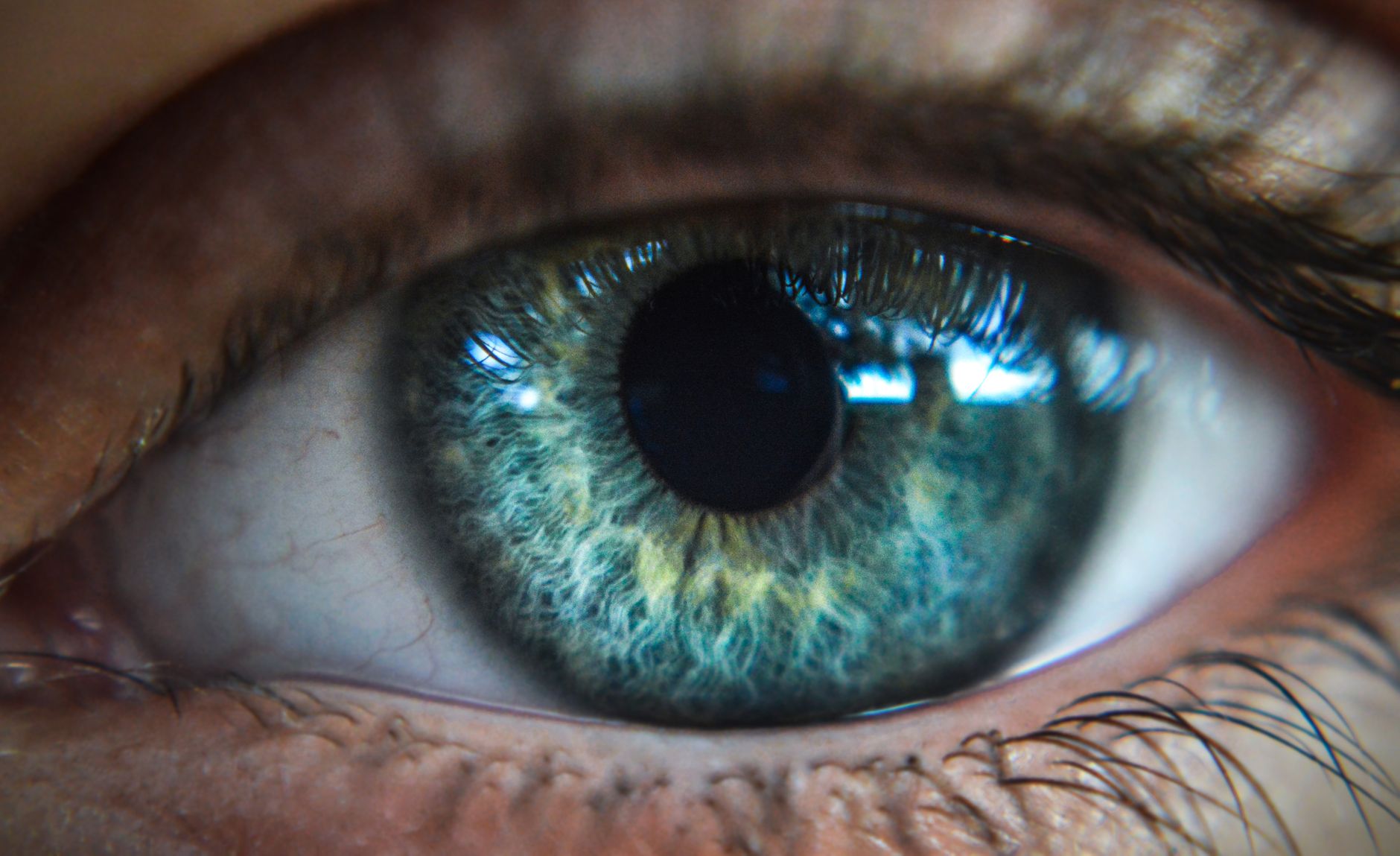
In a revelation that might seem like something out of a science fiction novel, researchers have traced the evolutionary roots of human eyes to an ancient creature that sported a single eye, much like the mythical cyclops. This discovery, shedding light on a fundamental aspect of vertebrate biology, reveals that the sophisticated visual systems we rely on today evolved from a simple, light-sensitive organ located at the centre of an ancient ancestor's head.
It all began with a primitive worm-like creature, not dissimilar to a modern-day lizard, which possessed a single 'median eye'. This organ, located at the top of its head, functioned primarily as a rudimentary light sensor — a precursor to the complex visual apparatus we now take for granted. Over millions of years, this single eye evolved into the dual, bilateral eyes seen in vertebrates today, including humans.
The story doesn't end there. Astonishingly, a vestige of this ancient eye remains within us, deep inside our brains, in the form of the pineal gland. This small endocrine gland continues to serve a purpose, regulating sleep patterns by responding to light, much like its ancient predecessor. As neuroscientist Dan-E Nilsson points out, understanding this evolutionary leap also provides insight into the neural circuits that process the images our retinas capture.
While the notion of descending from a cyclops-like ancestor might evoke a sense of mythological wonder, it underscores the intricate journey of evolution. The transition from a single light-detecting organ to sophisticated binocular vision highlights nature's relentless drive towards complexity and adaptation.
This discovery not only enriches our understanding of vertebrate evolution but also serves as a reminder of the remarkable interconnectedness of all life forms. As scientists delve deeper into the mysteries of our past, each revelation brings us closer to understanding the profound tapestry of life's history.