The Fascinating Science Stories You Nearly Missed
In the relentless rush of scientific discovery, it's easy to overlook the odd, the intriguing, and occasionally, the downright bizarre. This week, we shine a light on six such stories that deserve a second glance.
First, a study revealed how smashing soda cans can help scientists understand material strength and deformation. It turns out that the simple act of crushing can provide insights into the structural integrity of materials, which could be applied in fields ranging from engineering to product design.
Meanwhile, dolphins zipped through the waters faster than our best calculations suggested they should. Researchers now believe these marine mammals utilise a unique muscle structure that allows them to outpace their predicted speeds, a finding that could revolutionise our understanding of marine biology.
Mushrooms and Sperm Whales
Equally intriguing is the discovery that urine plays a crucial role in how mushrooms communicate. This revelation about fungal networks—often called the 'internet of the forest'—could transform our understanding of ecosystems and the hidden languages of nature.
In the depths of the ocean, sleepy sperm whales have been observed blowing bubbles. This curious behaviour, seen during their rest periods, might be a form of non-verbal communication or simply a playful distraction. The true purpose remains a subject of scientific speculation.
Stars and Cyborgs
Turning our gaze skyward, Betelgeuse, the giant red star, has a companion—a discovery that dares to challenge previous astronomical assumptions. This celestial revelation could have implications for our understanding of stellar evolution and the dynamics of binary star systems.
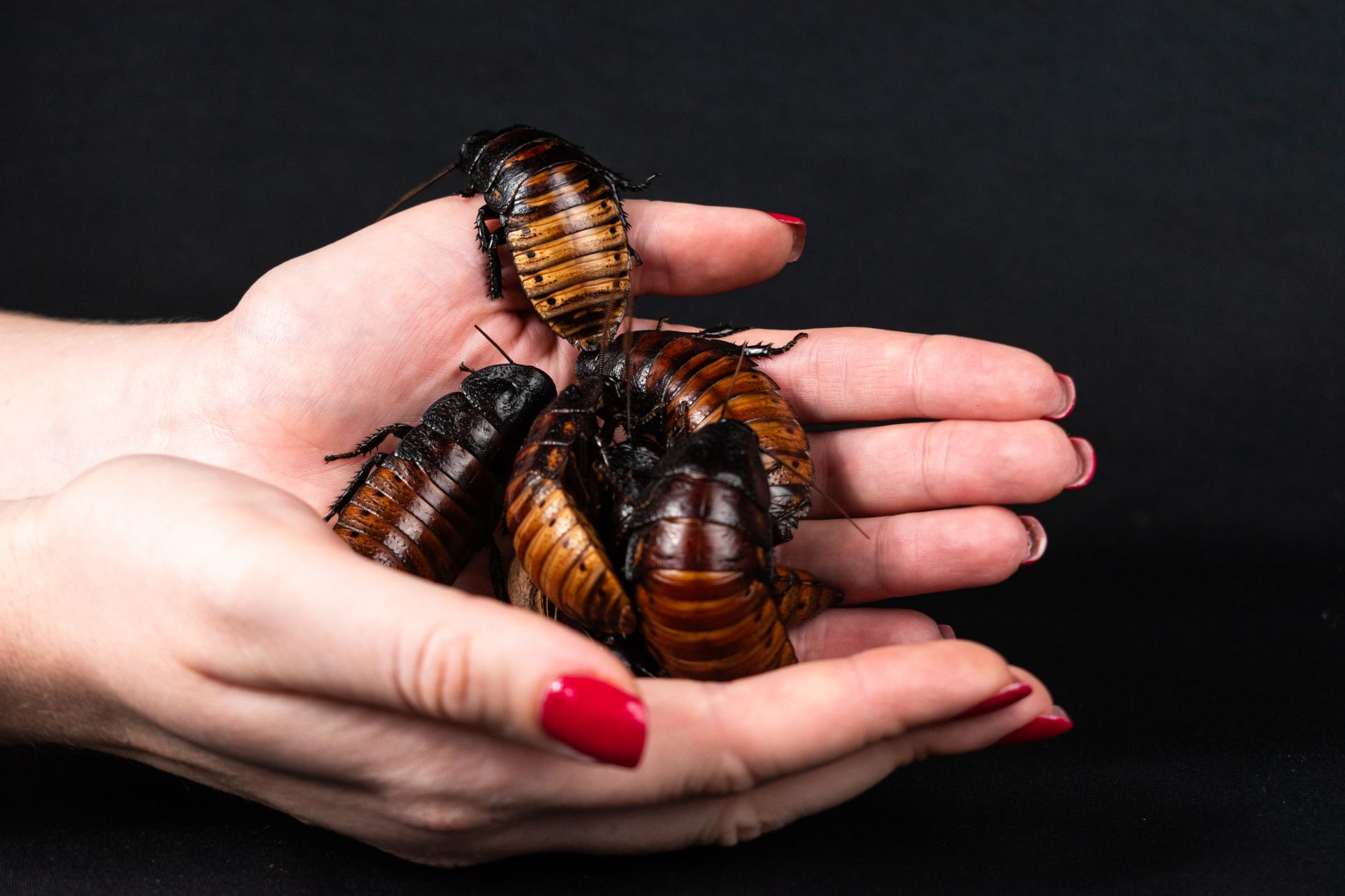
Lastly, on a rather smaller scale, scientists have developed cyborg diving suits for cockroaches. These tiny suits are not a fashion statement but a means to study underwater environments through the eyes of these resilient insects, shedding light on aquatic ecosystems in ways previously thought impossible.
These stories remind us that while some scientific endeavours grab headlines, others quietly push the boundaries of what we know, inviting us to explore the world with fresh eyes.