The Gulf's Environmental Crisis: A Victim of Conflict
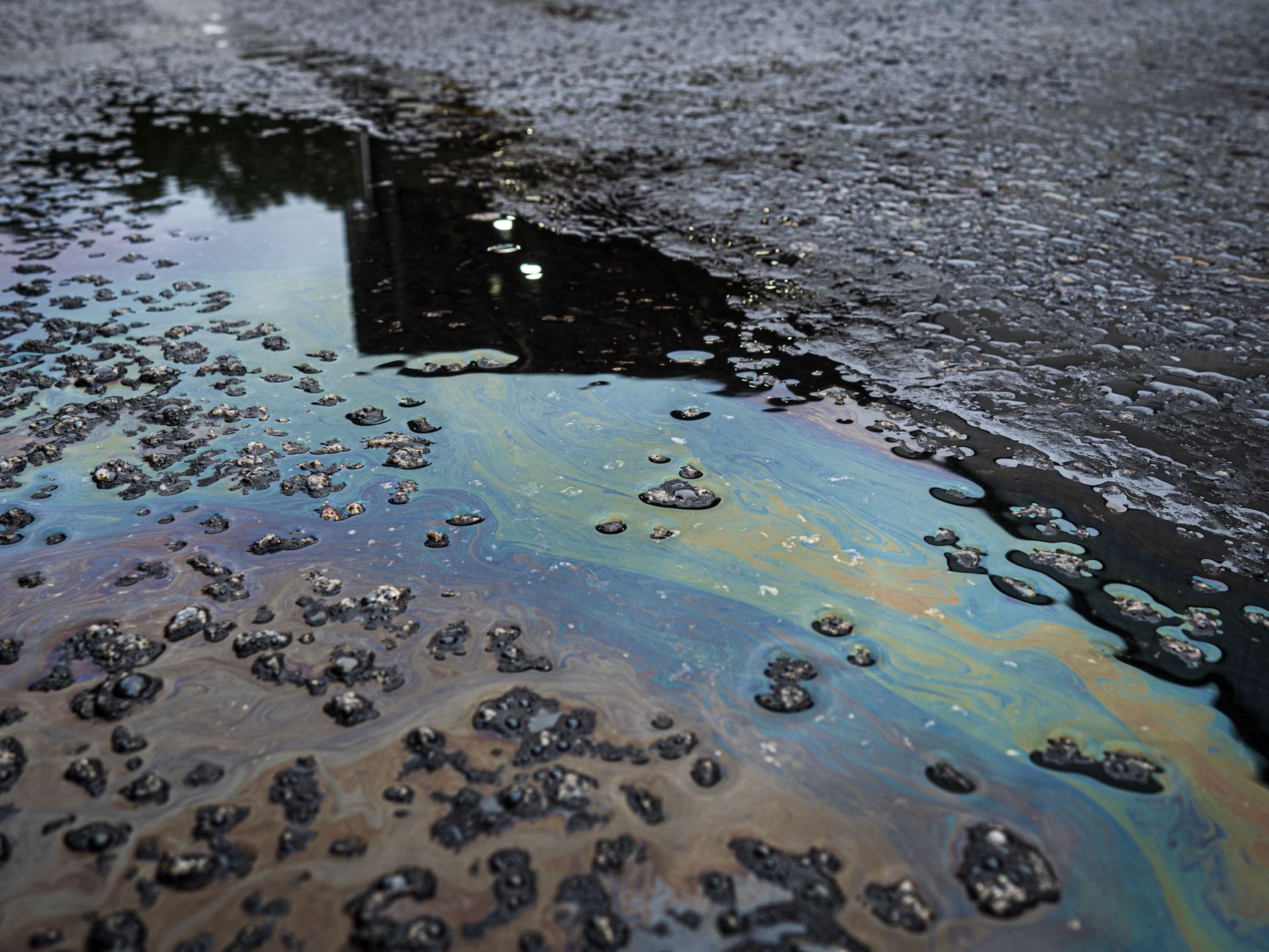
Amidst the din of conflict, an often overlooked victim cries out in silence—the environment of the Gulf. Recent escalations in the Iran war have not only reignited geopolitical tensions but have also unleashed a devastating environmental toll on one of the world's most delicate regions. Oil spills, water pollution, and the ever-looming threat of carbon emissions now loom larger than ever over the Gulf's already fragile ecosystems.
The spectre of environmental disaster is not new to the Gulf. The First Gulf War's legacy includes one of the largest oil spills in history, when Saddam Hussein's forces released millions of barrels of crude oil into the sea. Today, a similar scenario unfolds as holed ships and burning oil refineries threaten to compound the already dire situation. A recent oil slick from the Caroline Bezengi tanker, now stretching over 2,000 square kilometres, has reached Oman's coast, endangering the region's rich biodiversity.
Experts warn that the environmental impact of the ongoing conflict could last for decades. "The Gulf is one of the most water-stressed regions in the world," explains Kaveh Madani, a renowned U.N. scientist. "War only exacerbates these challenges, putting both human and ecological health at risk." The potential contamination of desalination facilities further deepens fears of a humanitarian crisis, as these plants are vital for converting seawater into drinking water in a region where freshwater is scarce.
While the immediate human cost of war often dominates headlines, the environmental repercussions are far-reaching and enduring. The Gulf's unique ecosystems, home to a host of marine and terrestrial species, face irreversible damage unless swift action is taken. International cooperation and environmental stewardship are essential to mitigating the long-term effects and preserving the Gulf's natural heritage.
As nations grapple with the tangible and visible horrors of war, there remains an urgent need to address this silent, creeping catastrophe. The environment, often sidelined in discussions of conflict, must be brought to the forefront if the Gulf is to have any hope of recovery and resilience.