The Heart's Journey: Inside the Science of Green Corridors
In the world of organ transplants, time is a ruthless adversary. The clock starts ticking the moment a donor heart is excised, and within four to five fleeting hours, it must find a new home inside a recipient's chest. This is where the science of the 'green corridor' emerges as a beacon of hope.
For those unfamiliar, a green corridor is not a verdant lane, but rather a meticulously planned and executed pathway that ensures donor organs are transported with unparalleled swiftness and precision. The concept was pioneered in Chennai in 2014, when a heart was conveyed to save a young 21-year-old's life. Since then, this life-saving procedure has become a staple across India.
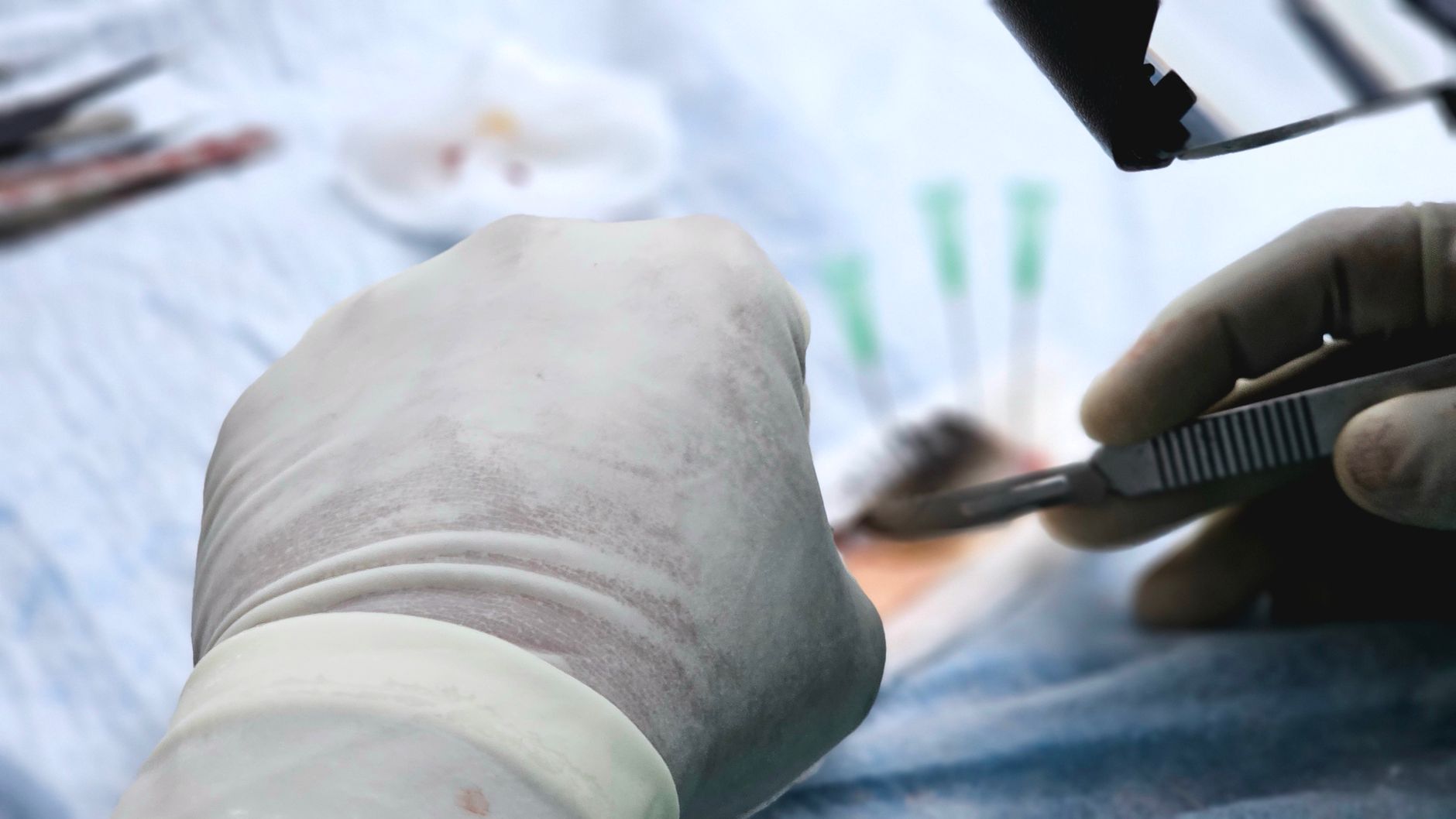
The process begins in the operating theatre, where transplant surgeons delicately remove the donor heart, taking care to preserve its viability. Simultaneously, intensive care teams stabilise other organs, while logistical experts coordinate the fastest possible route to the recipient.
Police escorts are a common feature, creating a 'green corridor' that cuts through traffic and bureaucratic red tape alike. This collaboration is a testament to human ingenuity, with each second meticulously accounted for to maximise the chances of success.
The Role of Technology
Modern technology plays a pivotal role in this delicate operation. State-of-the-art preservation techniques maintain the heart's viability during transit, while real-time GPS tracking ensures that all parties are aware of the heart's location and estimated time of arrival. Communication is key, and every team member is on standby, ready to leap into action the moment the heart arrives.
In recent years, air ambulances have further reduced travel times, allowing organs to traverse vast distances at unprecedented speeds. The Zonal Transplant Coordination Centre (ZTCC), among other bodies, manages these complex operations, ensuring that not a moment is wasted.
A Testament to Human Spirit
While the science is awe-inspiring, the human element remains at the heart of this story. It is a tale of resilience, determination, and a shared commitment to saving lives. For the families of recipients, the green corridor is a lifeline, offering hope where there was none before.
As the demand for organ transplants grows, the green corridor system will undoubtedly continue to evolve, incorporating new technologies and methodologies to enhance its efficacy. In the meantime, it stands as a shining example of what can be achieved when science and humanity come together with a common purpose.