The Hidden Cost of Sunscreen: A Threat to Marine Life
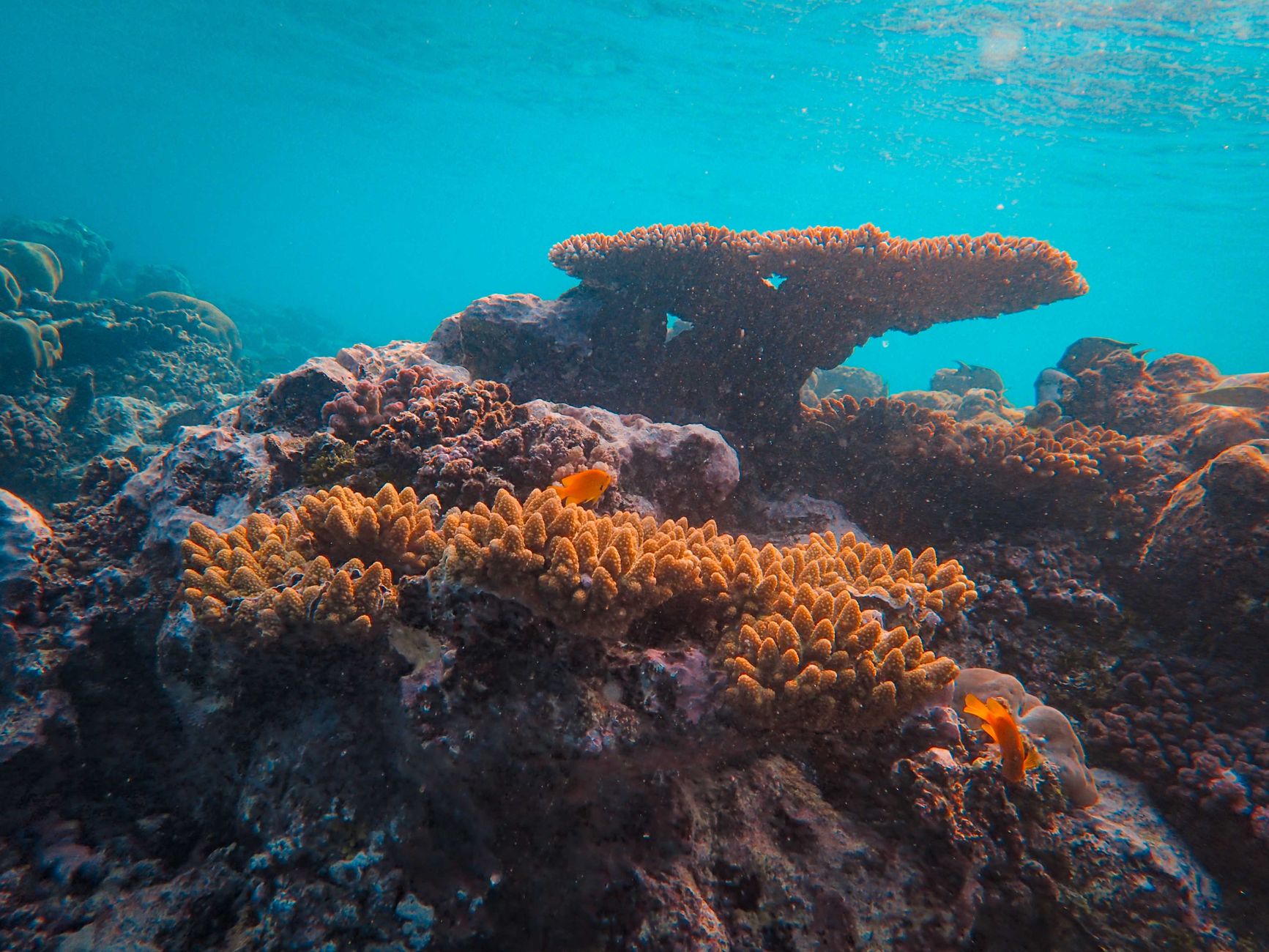
On a balmy summer's day, a day at the beach seems perfect until one considers the unseen chemical cloud drifting into the sea. Sunscreen, a staple in our sun-defence arsenal, has an unexpected dark side. More than half of the population is unaware of its environmental toll, with UV filters from suncream seeping into the ocean and endangering marine life.
These UV filters, designed to protect human skin, have a pernicious effect on coral reefs and aquatic ecosystems. When we swim, shower, or wash our towels, these chemicals find their way into the water. The result? A toxic cocktail that can bleach coral reefs, disrupt marine life, and degrade water quality.
The Science Behind the Splash
Researchers have long cautioned against the oblivious application of sunscreen without considering its environmental impact. Studies reveal that ingredients like oxybenzone and octinoxate are particularly harmful, contributing to coral bleaching and impeding the growth of young corals.
Coral reefs, often termed the rainforests of the sea, are vital for marine biodiversity. They provide habitat, food, and protection for a myriad of marine species. Thus, their degradation has ripple effects, threatening the intricate web of marine life.
Raising Awareness and Seeking Solutions
The lack of public awareness is alarming but not insurmountable. Educating beachgoers and promoting eco-friendly alternatives are critical steps forward. Several companies now offer mineral-based sunscreens that are less harmful to the environment.
Furthermore, some regions have begun to legislate against harmful sunscreens. Hawaii, for instance, has banned the sale of sunscreens containing oxybenzone and octinoxate, setting a precedent for other coastal areas.
As the world warms and the allure of the beach intensifies, so too must our commitment to safeguarding the marine environment. Protecting our skin should not come at the cost of the ocean’s health.