The Hidden Environmental Impact of Sunscreen on Our Oceans
As beachgoers slather on sunscreen to shield themselves from the sun's relentless rays, few pause to consider the environmental toll of their actions. A recent study has revealed that over half of people remain oblivious to the damage that sunscreen ingredients can inflict on marine ecosystems.
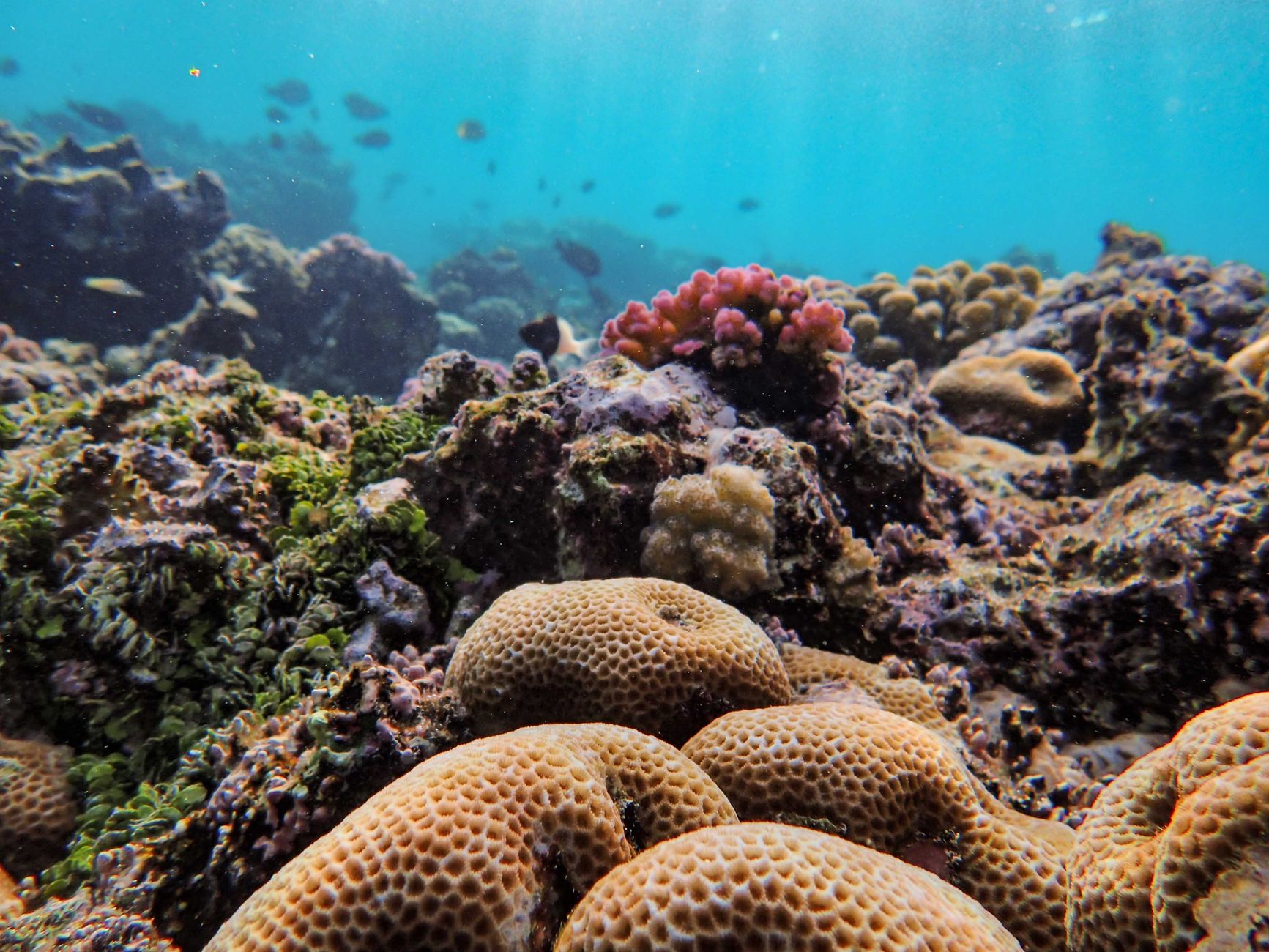
Key culprits are the UV filter compounds such as oxybenzone and octinoxate. These substances, while effective in protecting human skin, have been found to wreak havoc on coral reefs. They enter the ocean directly from swimmers or indirectly through the washing of sunscreen-laden towels, accumulating in the water and settling on the seabed, where they inhibit coral reproduction and growth.
The Underestimated Threat
While sunscreen is indispensable for preventing skin cancer and premature ageing, its environmental impact is less known. Ingredients like oxybenzone are stable and persistent, meaning they do not easily break down in the marine environment. Once in the water, they can disrupt the balance of delicate ecosystems, contributing to coral bleaching—a phenomenon that threatens the biodiversity of our oceans.
Many are unaware of these consequences, a gap in knowledge that underscores the need for increased public education and awareness. As the climate crisis intensifies, the importance of protecting our oceans becomes ever more crucial.
Towards Sustainable Solutions
Efforts are underway to develop and promote eco-friendly sunscreens that use non-nano zinc oxide or titanium dioxide, which are considered safer for marine life. In some regions, legislation has been enacted to ban sunscreens containing harmful chemicals.
Consumers can play a pivotal role by choosing products that are labelled 'reef-safe'. Such decisions not only protect the wearer but also contribute to preserving the oceans for future generations. Ultimately, greater awareness and responsible choices are essential in safeguarding our planet's precious marine environments.