The Hidden Impact of Deep Cave Collapses on Earth's Surface
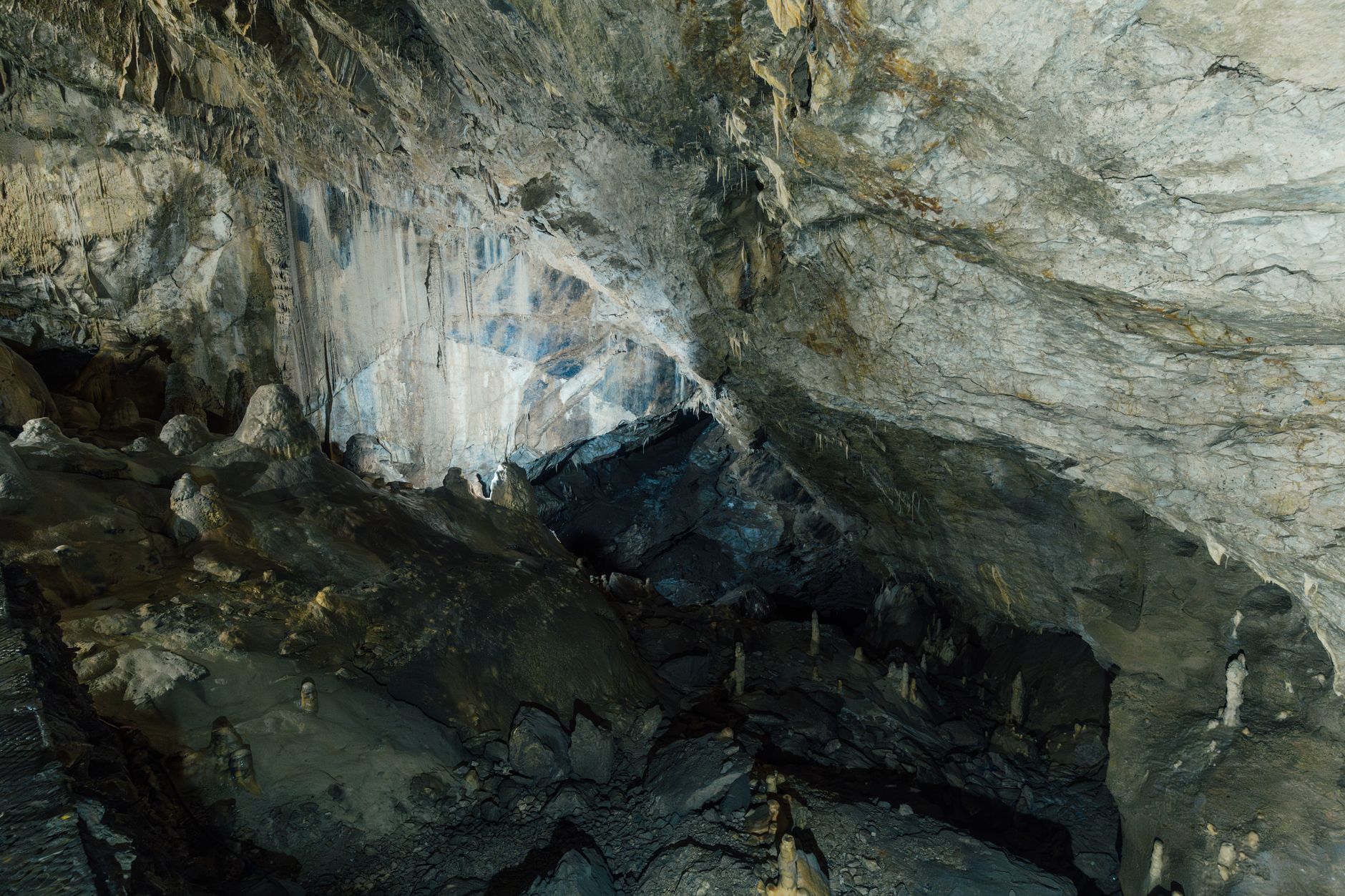
Beneath the Earth's crust, hidden from plain sight, lie vast networks of caves that tell stories of geological epochs gone by. These caves, often forming in karst terrains, are not merely voids but archives of Earth's history. Yet, as a recent study in Communications Earth & Environment reveals, their influence on our planet's surface is more profound than previously understood.
The research, intriguingly titled 'Subdued Surface Expression of Deep Cave Collapse,' explores how these subterranean voids, over millions of years, induce changes on the surface. As cave roofs succumb to gravity, they progressively collapse, causing the overlying material to sag. This slow, almost imperceptible process results in shallow depressions, which are the only visible signs of the complex activities occurring far beneath.
The Silent Impact
Approximately 15 percent of Earth's land surface is composed of karst landscapes, characterised by their unique formation processes and the presence of caves. These landscapes, while breathtakingly beautiful, are also dynamic. The slow 'collapse upwards' of cave systems challenges our understanding of geological stability and surface morphology.
The Canadian Rockies, with some of the deepest and longest caves in the country, provide a vivid example. Here, the surface expressions of deep cave collapses manifest as muted trenches and subtle sags, a testament to the relentless geological processes at play.
Why It Matters
Understanding these processes is crucial, not only for geologists but also for urban planners and environmentalists. The subtle shifts in the Earth's crust can have implications for land use, water resources, and habitat conservation. Moreover, as climate change continues to alter global weather patterns, comprehending the interaction between subterranean systems and surface environments becomes increasingly important.
The study's findings highlight the need for integrated approaches to study Earth's systems, combining surface observations with deep geological insights. As we continue to explore the hidden depths of our planet, such research offers a window into the complex tapestry of natural forces that shape our world.