The ICC's Struggle Against Global Powers: A Fight for Relevance
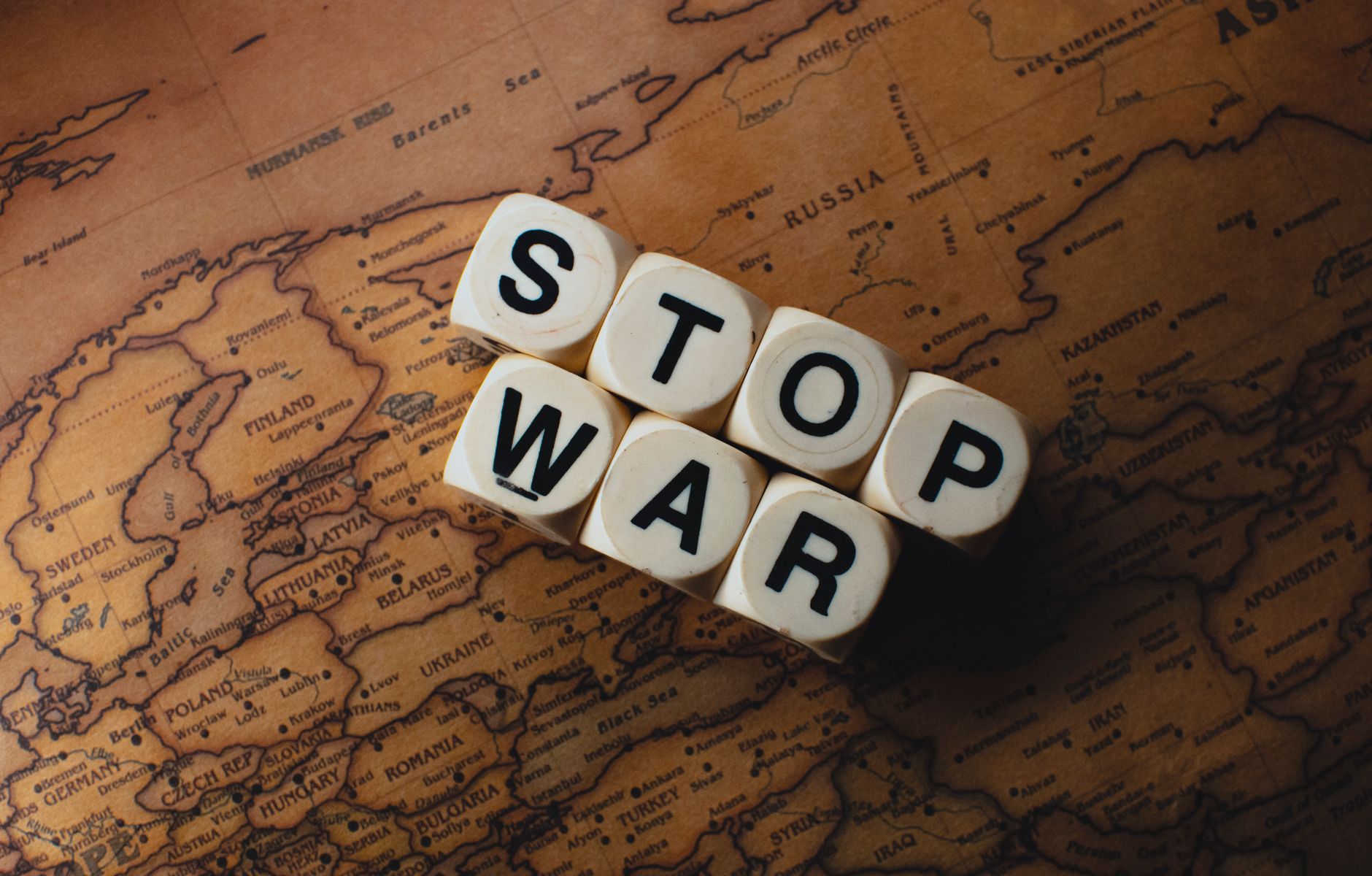
The International Criminal Court (ICC), once heralded as a beacon of justice for the world's oppressed, now finds itself on the defensive. Having dared to indict leaders from Israel and Russia, the court has drawn the ire of powerful nations, challenging its very existence.
The ICC, established to prosecute individuals for genocide and war crimes, is mired in accusations of bias and inefficacy. Critics argue that it targets African nations disproportionately while sidestepping Western powers. The recent attempts to hold leaders from Israel and Russia accountable have brought the court into direct conflict with geopolitical heavyweights, resulting in a backlash that threatens its operational capacity.
A Question of Credibility
Allegations of racism and imperialism have further tarnished the court’s reputation. Some African leaders accuse it of being a tool of Western dominance, while others question its effectiveness in delivering justice. The court’s decision to pursue cases against Israel and Russia was seen as a bold step towards impartiality. However, the move has only intensified the scrutiny it faces.
While the ICC struggles to maintain its credibility, there's a silver lining. Advocates believe that by standing firm against global powers, the court could eventually reinforce its role as an impartial arbiter of justice. Yet, this vision remains fraught with challenges, as geopolitical dynamics continue to undermine its authority.
Looking Forward
The future of the ICC hinges on its ability to navigate these turbulent waters. To survive, it must convince the international community of its impartiality and effectiveness. A renewed focus on transparency and fair prosecution processes could help restore faith in its mission.
In a world where justice is often elusive, the ICC's struggle is emblematic of the broader fight for international accountability. As it battles for survival, the court remains a symbol of hope for those who believe in a just world order, even as it contends with the very powers that threaten to undo its work.