The Lifelong Impact of Breast Milk and India's Urgent Need for Better Breastfeeding Practices
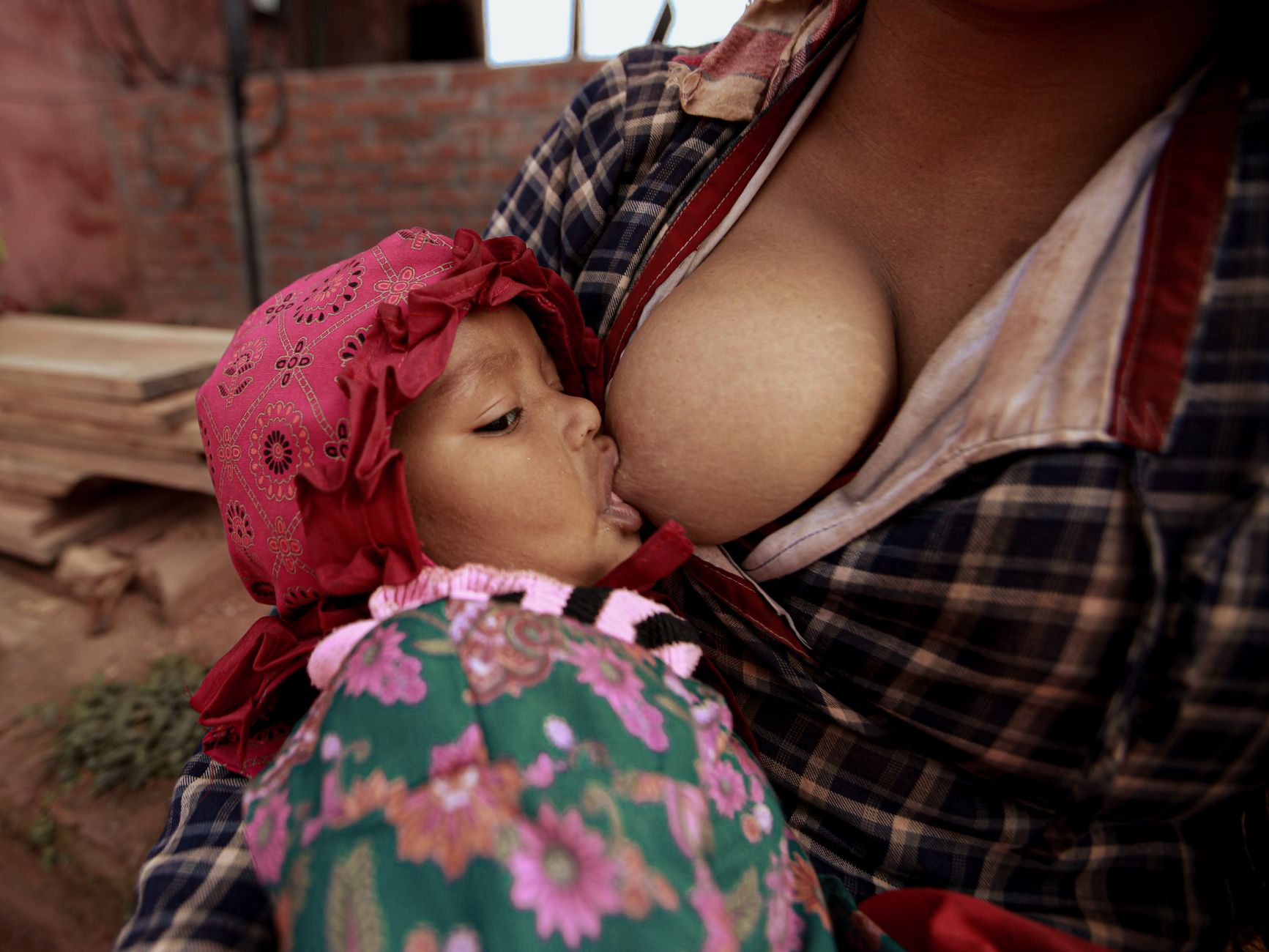
In the quietude of a maternity ward, the first drops of a mother's milk are more profound than they might appear. These early moments are not just about quenching a newborn's hunger; they are the beginnings of a lifelong health journey.
Breast milk is a marvel of nature, a complex concoction designed to meet the exact needs of a growing infant. It is replete with essential nutrients, antibodies, and bioactive components that lay the foundation for a robust immune system, healthy metabolism, and optimal cognitive development.
Yet, despite these undeniable benefits, India finds itself grappling with suboptimal breastfeeding rates. The latest National Family Health Survey (NFHS-6) reveals that only 55.8% of infants under six months are exclusively breastfed. This is a cause for concern, as exclusive breastfeeding could significantly reduce infant mortality rates and improve long-term health outcomes.
One might wonder why, in a country with a rich tradition of breastfeeding, these numbers are not higher. The answer lies in a mélange of socio-cultural and practical challenges. Many mothers face considerable barriers, from a lack of supportive workplace policies to inadequate counselling and guidance. The societal pressures and misconceptions about breastfeeding further complicate the issue.
Globally, UNICEF estimates that only 42% of infants are exclusively breastfed, underscoring a widespread public health challenge. In India, efforts to bridge this gap must include stronger advocacy and policy interventions. Encouraging early initiation of breastfeeding—within the first hour of life—can set the stage for successful long-term breastfeeding practices. This early bonding is critical for both mother and child, fostering a healthy start that can last a lifetime.
Incorporating education programmes for expectant mothers and training healthcare providers to offer better breastfeeding support are essential steps. Moreover, creating conducive environments at workplaces, where mothers can nurse or express milk, is vital.
Improving breastfeeding practices in India is not merely a maternal issue but a national priority. By addressing these barriers, India can make significant strides in enhancing the health and wellbeing of its future generations.