The Mariana Trench: A Journey to Earth's Hidden Abyss
In a remote corner of the western Pacific Ocean lies a geographical marvel that defies human imagination. The Mariana Trench, a crescent-shaped chasm stretching over 2,500 kilometres, plunges to depths that are beyond the reach of sunlight and, for the most part, human exploration. At its deepest point, the Challenger Deep, the ocean floor descends nearly 11,000 metres, making it the most profound point on Earth.
This trench is not just an abyss; it is a testament to the incredible forces of nature. Formed by the subduction of the Pacific Plate beneath the smaller Mariana Plate, it represents a dynamic geological dance that continues to shape the Earth's surface. Such subduction zones are critical to understanding the complex processes that govern seismic activity and the formation of oceanic trenches.
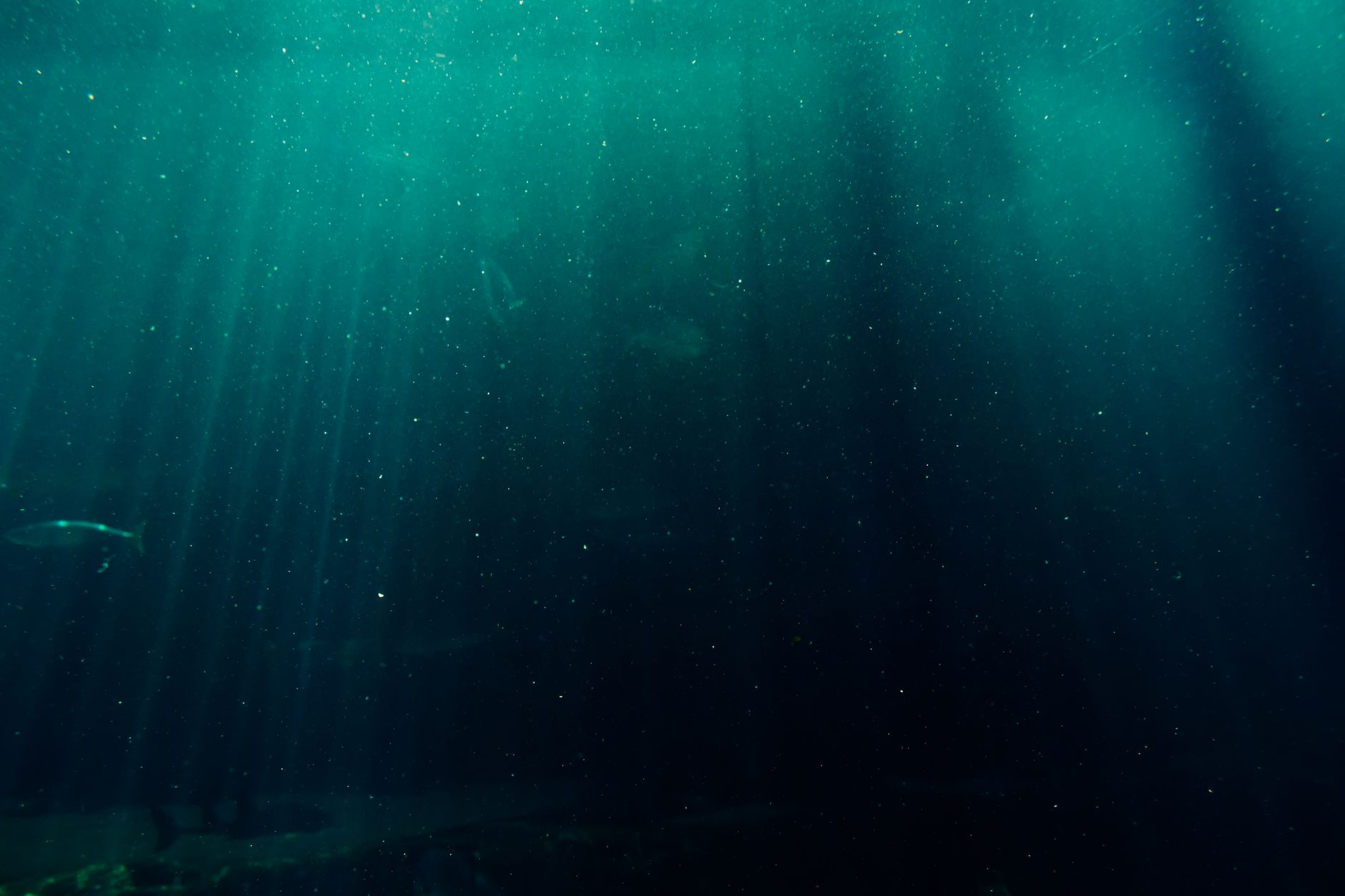
Despite its formidable depths, the trench is teeming with life. The ecosystem here thrives under pressures that would crush most organisms. Unique life forms, some of which are yet to be fully classified, have adapted to these extreme conditions. The absence of light has led to fascinating evolutionary traits, such as bioluminescence, offering a glimpse into life's resilience.
Exploration and Scientific Significance
Human endeavours to explore this undersea frontier have been sporadic but enlightening. The first manned descent was made in 1960 by Jacques Piccard and Don Walsh in the bathyscaphe Trieste. Since then, technological advancements have facilitated further exploration, unveiling more of its secrets with each dive.
Researchers are particularly interested in the trench's role in carbon cycling and its potential in aiding understanding of climate change. The sediment layers at the trench's bottom may hold clues about past climate shifts, offering a long-term perspective on Earth's environmental changes.
A Window into Earth's Past and Future
The Mariana Trench is not merely a point of interest for oceanographers. It serves as a natural laboratory where life's adaptability is tested to its limits, providing insights that might one day inform strategies for human survival in extreme environments. Moreover, it underscores the importance of preserving these unique ecosystems, which are as vulnerable as they are mysterious.
As exploration technology advances, the trench will undoubtedly continue to intrigue scientists and the public alike, serving as a reminder of the vast frontiers that remain on our planet. Its depths are not only a challenge but also an opportunity to deepen our understanding of the world beneath the waves.