The Maternal Cells That May Reside in Your Brain for Decades
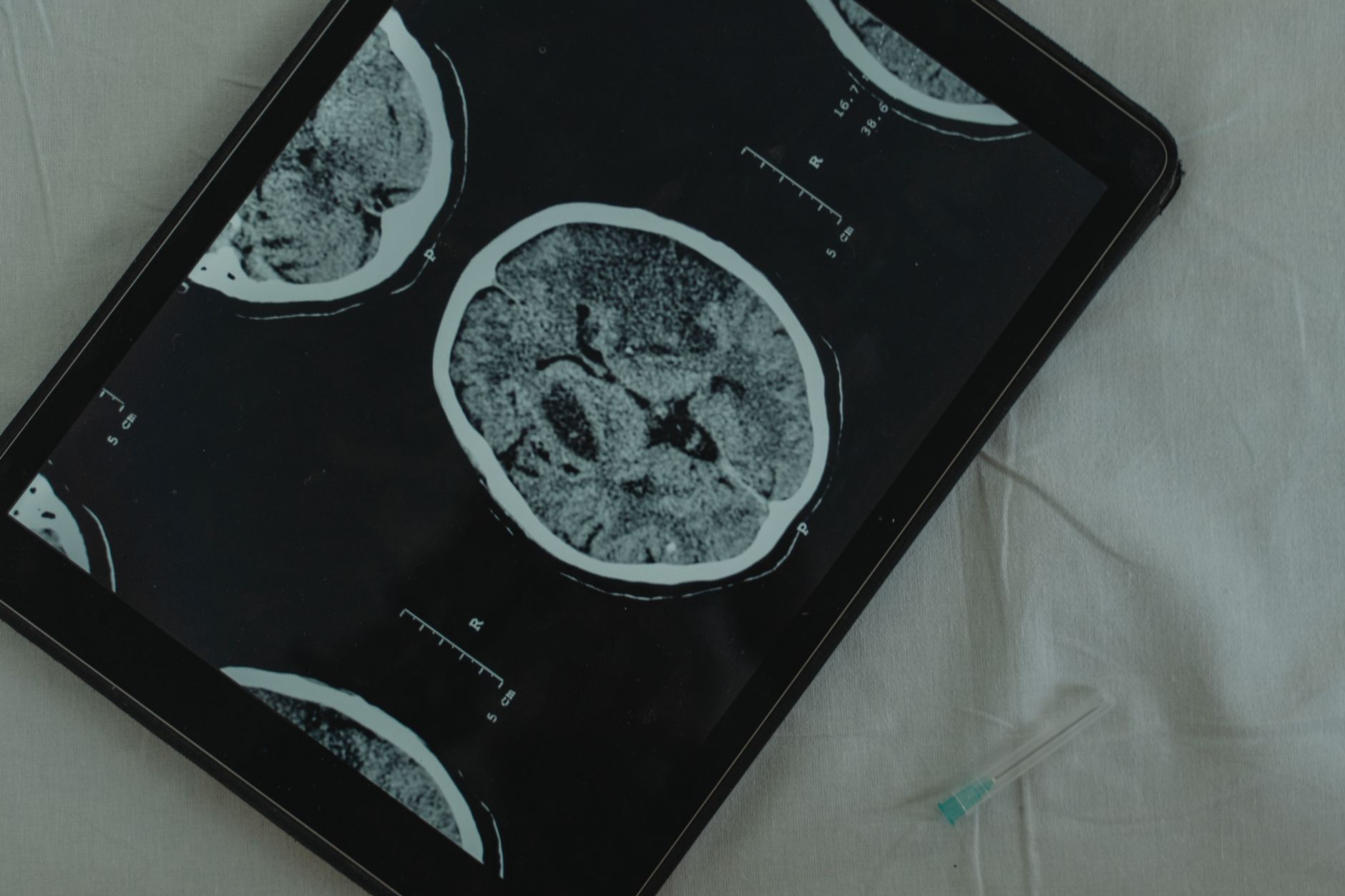
The cells of your mother may have taken up residence in your brain while you were still in the womb, a groundbreaking study suggests. These cells, which can survive for decades, might play a role in the development of various neurological conditions, from Alzheimer's to autism.
The phenomenon, called maternal microchimerism, is akin to a biological time capsule. It occurs when cells from the mother cross the placental barrier and integrate into the developing foetus. This exchange of cells is not just a fleeting event; these maternal cells can remain in the child's body for years, potentially influencing their health in unexpected ways.
Recent research has demonstrated that maternal cells can be found throughout the body's organs, including the brain. This discovery raises intriguing questions about their role. Could these cells contribute to the development of certain autoimmune diseases? Or might they offer protection against some illnesses? The implications are as profound as they are varied.
The Role of Maternal Microchimerism
The study's findings suggest that these cells might be more than just passive passengers. Researchers have observed that brains afflicted by dementia, including Alzheimer's, contain significantly more maternal cells than those without. This raises the possibility that maternal microchimerism could influence the onset or progression of such conditions.
Furthermore, the study adds weight to the growing evidence that a mother's health and biology can have lasting impacts on her child. The gut microbiome of the mother, for example, has already been shown to affect foetal brain development and may be a factor in conditions like autism and ADHD.
Implications for Future Research
Understanding the role of these cells could revolutionise how we approach neurological diseases. It opens avenues for potential new treatments that could target these foreign cells or harness their presence to our advantage. However, the research is still in its infancy, and much remains to be discovered about the true impact of these maternal cells.
As we unravel the intricate dance between a mother's biology and her child's development, one thing becomes clear: the bond between mother and child is not merely emotional or genetic but cellular, persisting even at the microscopic level.