The Misleading Allure of 'Healthy' Labels on Foods
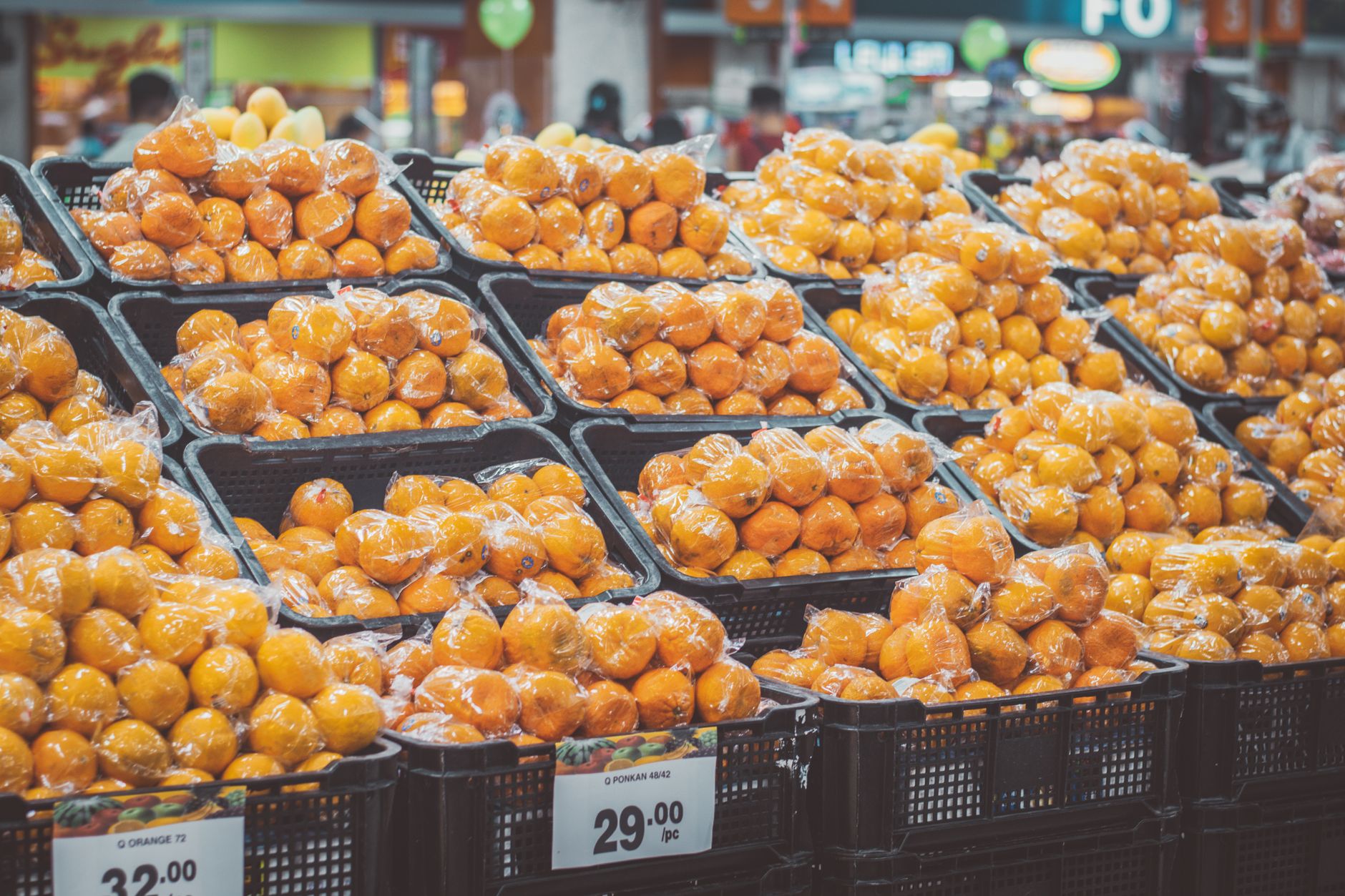
In the brightly lit aisles of supermarkets, where every package vies for a shopper's attention, the word 'healthy' is particularly magnetic. It's a promise, a nudge, and sometimes, a fib, all wrapped into one seemingly innocuous label.
Food manufacturers have long capitalised on consumers' desire to make healthier choices by adorning their products with labels like 'natural', 'organic', or the particularly favoured 'healthy'. However, the term 'healthy' often operates in a grey area. While it suggests that the product meets certain dietary criteria, the reality can be far less wholesome.
The Food and Drug Administration (FDA) in the United States, along with other regulatory bodies worldwide, have established guidelines that products must meet to earn the 'healthy' label. These requirements typically include limits on saturated fats, sodium, and added sugars, and mandates for certain food group content. Nevertheless, these standards are not exhaustive, nor do they account for the overall nutritional profile of a food item.
Beyond the Label
The issue lies in the fact that a label does not capture the full spectrum of what's in the package. A cereal box may boast of being 'heart-friendly', but a quick glance at the sugar content might tell a different story. Similarly, the tag 'high protein' could overshadow the presence of unhealthy additives.
In India, where the food labelling landscape is still evolving, the proliferation of such labels can often misguide consumers. Many products rely heavily on these marketing claims, which can be more about selling the idea of health rather than delivering it.
The Informed Shopper
For the discerning shopper, vigilance is key. A product not wearing the 'healthy' badge is not necessarily less nutritious. In fact, whole foods like fruits, vegetables, and grains, devoid of any such labels, often offer a more balanced nutritional profile than their packaged counterparts.
Experts advise consumers to look beyond the bold claims and read the nutritional information carefully. Understanding the ingredients, their quantities, and the product's place in one's overall diet can be more beneficial than any label.
Ultimately, while the allure of 'healthy' labelling continues to captivate, it is the informed choices made by consumers that truly define a diet's virtue.