The Political Consultancy Surge: India's New Electoral Powerhouses

Once a discreet and backroom affair, political consultancy in India has transformed into a formidable industry, now valued at approximately ₹1,500 crore. Central to this evolution is the Indian Political Action Committee (I-PAC), a name synonymous with strategic electoral influence.
Founded in 2015 by Prashant Kishor, I-PAC has been instrumental in orchestrating large-scale campaigns for various political entities. Under Kishor's stewardship, the firm embraced a data-driven approach, utilising technology to conduct in-depth voter surveys and tailor communication strategies. His exit in 2021, however, marked a new chapter for I-PAC, as it sought to maintain its relevance without its charismatic leader.
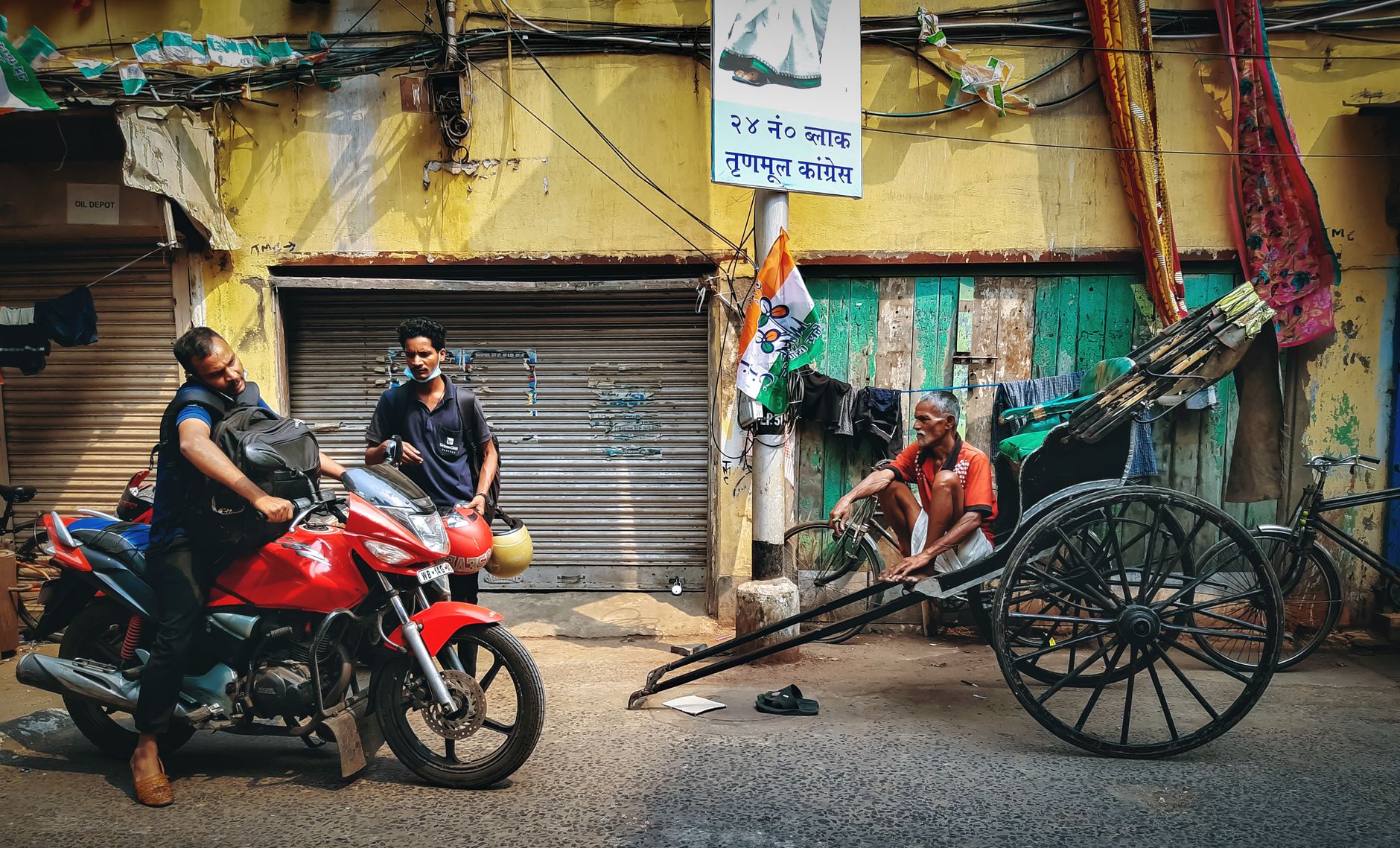
The political consultancy sector's rise has not been without controversy. The recent electoral defeat of the Trinamool Congress (TMC) in West Bengal, despite I-PAC's involvement, has sparked debates about the efficacy of these consultancies. Moreover, regulatory scrutiny, such as the Enforcement Directorate’s raids on I-PAC’s co-founder Pratik Jain, casts a shadow over the industry's operations.
Despite these challenges, the demand for political consultants is unwavering. They have become indispensable to parties navigating India's complex electoral landscape, providing insights and strategies that are increasingly data-centric. As boutique firms emerge, the market sees a diversification of players, each bringing unique methodologies and perspectives.
Beyond campaign strategies, these consultancies influence policy formulation, media management, and public perception, cementing their role as key stakeholders in the political arena. As India heads into future elections, the role of political consultants is set to expand further, shaping the democratic process in ways that were unimaginable a decade ago.