The Quiet Collapse: Unveiling Earth's Hidden Cave Systems
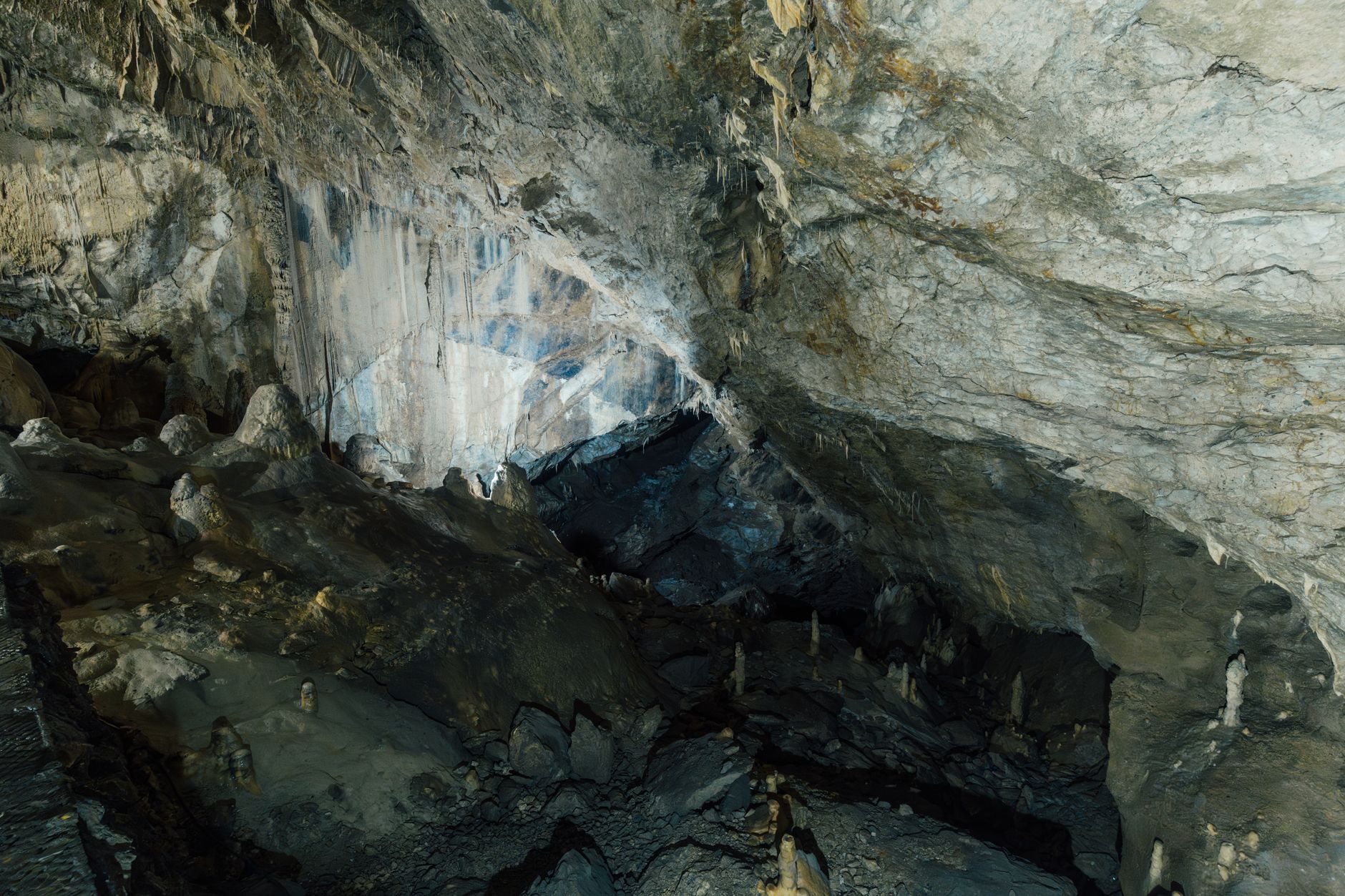
Unbeknownst to many, the Earth's crust is not as steadfast as it might appear. Deep within the planet lies a vast network of caves, whose silent transformations are subtly reshaping the surface above. Recent research published in Communications Earth & Environment illuminates this fascinating process.
These caves, often forming part of karst landscapes, are found beneath approximately 15 percent of the Earth's terrestrial surface. Over millions of years, the roofs of these caves gradually collapse—a process akin to nature's own slow-motion theatre. As the rock above succumbs to gravity, it creates shallow depressions, muted echoes of the drama occurring far below.
While the surface effects of these collapses may seem inconspicuous, their implications are profound. They offer a tangible glimpse into the Earth's geological processes, acting as natural laboratories for scientists. This gradual 'upward collapse' through overlying rock layers challenges our understanding of landscape evolution and opens doors to new geological insights.
The Importance of Subtlety
At first glance, the surface changes might be mistaken for minor topographical quirks. However, these subtle expressions are crucial for researchers aiming to decode the Earth's past. Caves serve as scientific archives, preserving climatic and environmental records within their formations. Understanding their evolution helps us piece together the history of our planet.
In regions like the Canadian Rockies, where some of the world's deepest caves reside, the interplay between cave systems and surface geology is particularly pronounced. Here, the sagging and eventual collapse of cave roofs have sculpted the landscape, albeit quietly.
Future Explorations
As we continue to probe the mysteries lurking beneath our feet, the study of cave systems offers promising avenues for both scientific exploration and environmental conservation. With climate change posing new challenges, understanding how these systems interact with surface environments could prove vital.
In the end, the phenomenon of deep cave collapse reminds us of the Earth's dynamic nature. It underscores the importance of looking beyond the superficial, urging us to consider the hidden forces that shape the world we see.