The Quiet Revolution: AI-Penned Speeches in Politics
When the Progressive Conservative MLA in New Brunswick stood to deliver his speech, few in the audience suspected it was crafted not by a human hand, but by an artificial intelligence. This revelation has since sparked a heated debate, not unlike those that have emerged around other technologies reshaping our world. The implications for politics, however, are uniquely profound.
A New Frontier in Political Discourse
The use of AI in crafting political speeches is more than a mere novelty; it is a new frontier. AI can process vast amounts of data to tailor speeches to public sentiments, potentially enhancing the efficacy of political messaging. Yet, this raises questions about authenticity. If a politician's words are not their own, can they genuinely connect with their constituents?
Moreover, the reliance on AI could lead to a homogenisation of political rhetoric. AI models, trained on existing texts, might favour conventional language and established narratives, stifling originality and critical discourse. This would be a disservice to the democratic process, which relies on diverse and robust debate.
Ethical and Practical Concerns
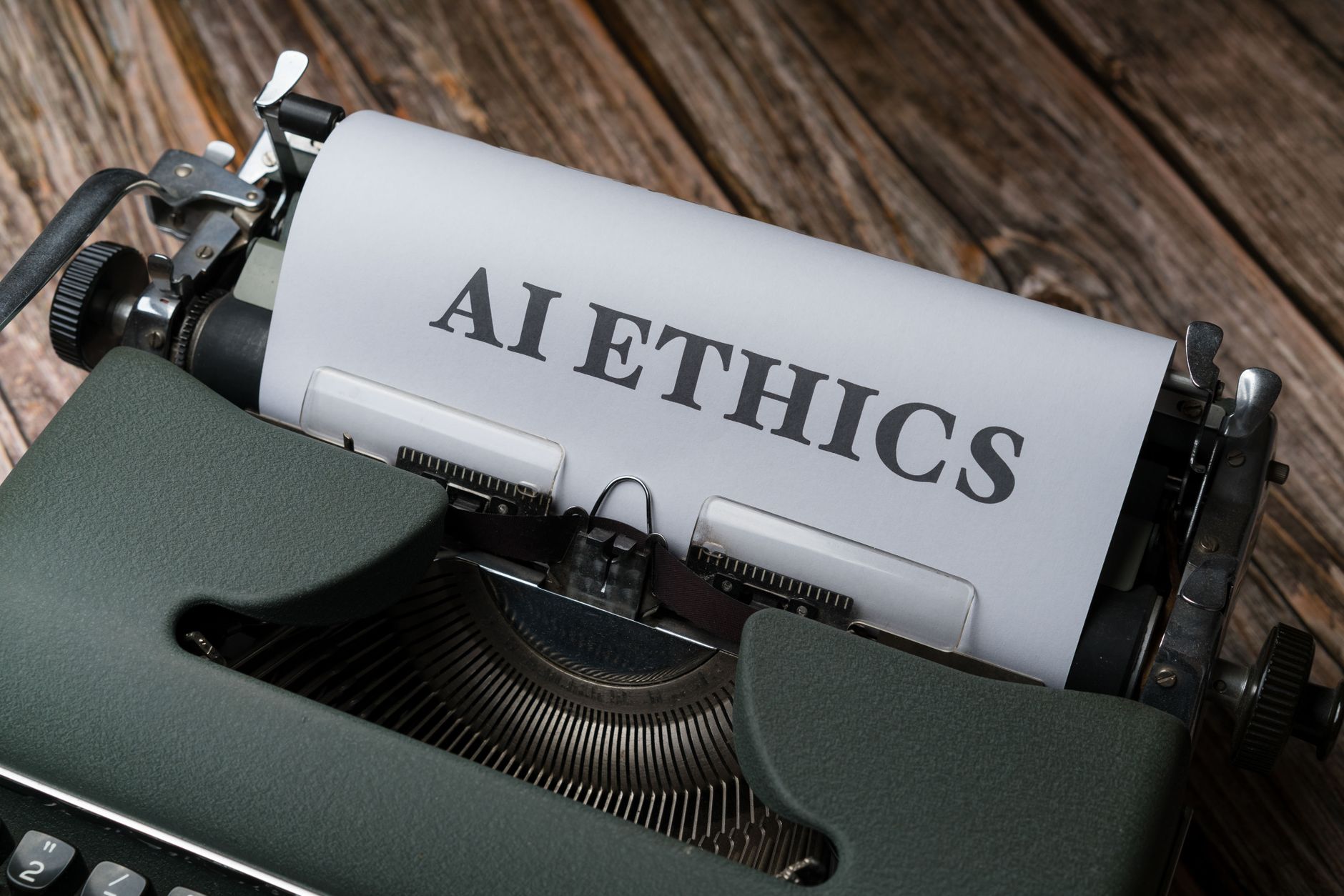
Ethical considerations loom large. Transparency is paramount in any democracy, and constituents have the right to know the origin of their representatives' words. The potential for AI to craft deceptive or misleading narratives cannot be overlooked. Rigorous guidelines and checks may be necessary to ensure AI's role remains supportive rather than subversive.
Practically, the technology is not infallible. AI can produce errors or nonsensical statements if the input data is flawed. Politicians might find themselves in embarrassing situations if they rely too heavily on technology without adequate oversight.
As AI continues to advance, its role in politics will undoubtedly grow. The challenge lies in harnessing its potential while safeguarding the integrity of political discourse. This balancing act will require thoughtful regulation and a commitment to transparency, ensuring that technology serves democracy rather than undermines it.