The Reproducibility Crisis in Neuroscience: A Growing Concern
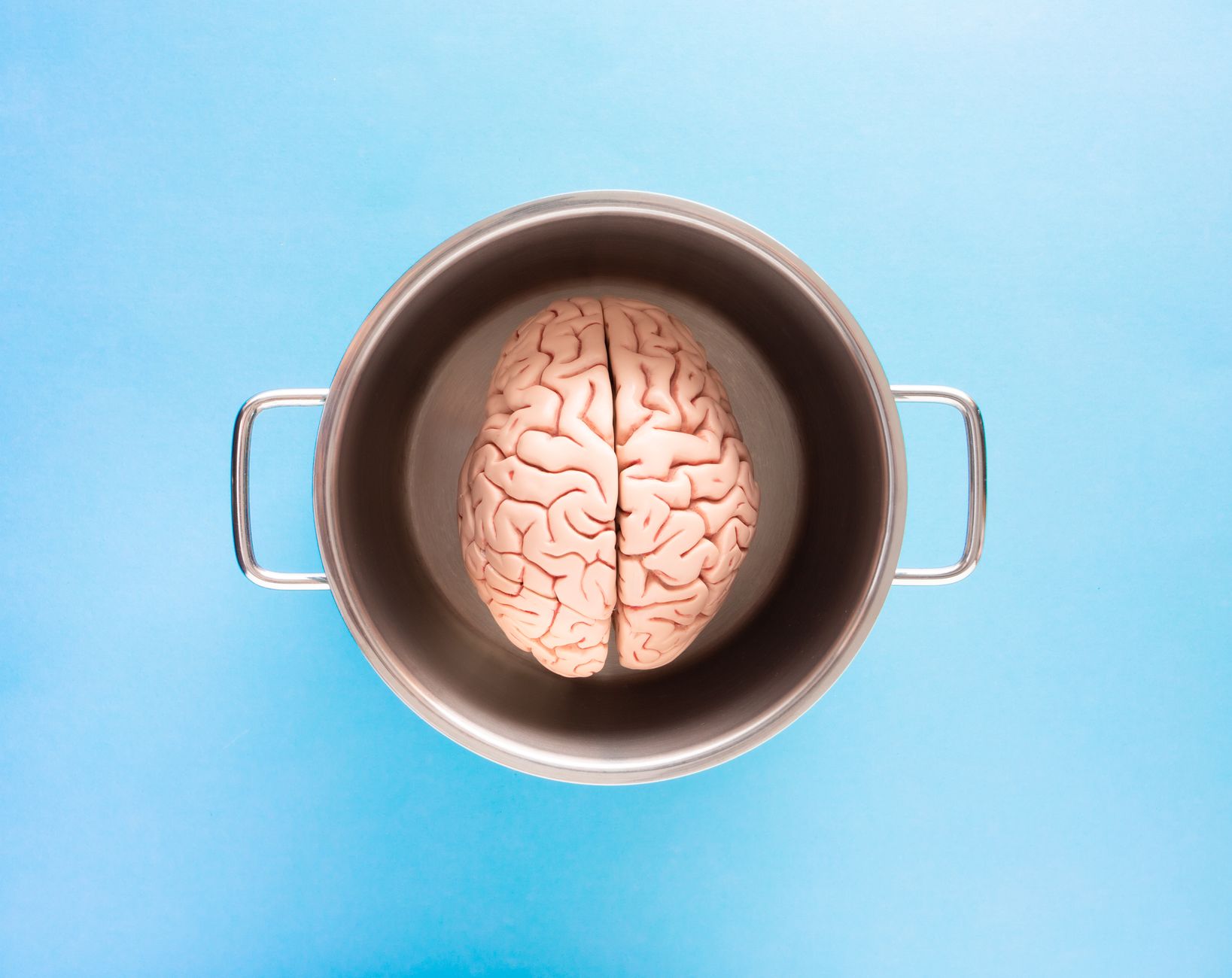
In the labyrinthine corridors of neuroscience, a crisis is brewing that threatens to undermine the very foundations of what we know about the brain. This crisis, known as the reproducibility problem, has become a vexing issue for researchers and institutions alike. At the heart of the matter is the unsettling reality that many findings in neuroscience, particularly in brain imaging, cannot be consistently replicated.
The problem is not confined to neuroscience alone. Across various scientific disciplines, the reproducibility crisis has been a persistent thorn, yet its implications in neuroscience are particularly profound. The brain, an organ of unparalleled complexity, remains one of the least understood frontiers of human biology. Foundational studies that claim to unlock the mysteries of cognition and consciousness are held in high esteem. However, when these studies cannot be reliably reproduced, it calls into question their validity and, by extension, our understanding of the brain itself.
Efforts to address this crisis are underway. Institutions like the Stanford Center for Reproducible Neuroscience have taken up the mantle, advocating for stricter replication studies and transparency in research. The Organisation for Human Brain Mapping is also spearheading initiatives to encourage reproducibility, recognising its pivotal role in advancing neuroscience.
The Stakes Are High
Why does this matter? The stakes are high for both science and society. Neuroscience findings often inform clinical practices and guide therapeutic interventions. If these findings are flawed or irreproducible, it could lead to misguided treatments and wasted resources. Moreover, as the field leans increasingly on computational models and large-scale data analyses, the importance of robust, replicable research cannot be overstated.
Critics argue that the pressure to publish novel results may be overshadowing the essential scientific practice of replication. Novelty is celebrated, while replication is often seen as mundane. This cultural bias within the scientific community might be exacerbating the problem.
A Call to Action
As the debate rages on, the call for a cultural shift in scientific research is becoming louder. Researchers are urged to prioritise open science practices, share data, and collaborate across institutions to verify findings. The future of neuroscience depends on the quality and reliability of its research. As we edge closer to unlocking the brain's secrets, ensuring that our methods are sound and our findings reproducible is paramount.