The Rise of 'Dark Factories': Automation's Shadow on Labour
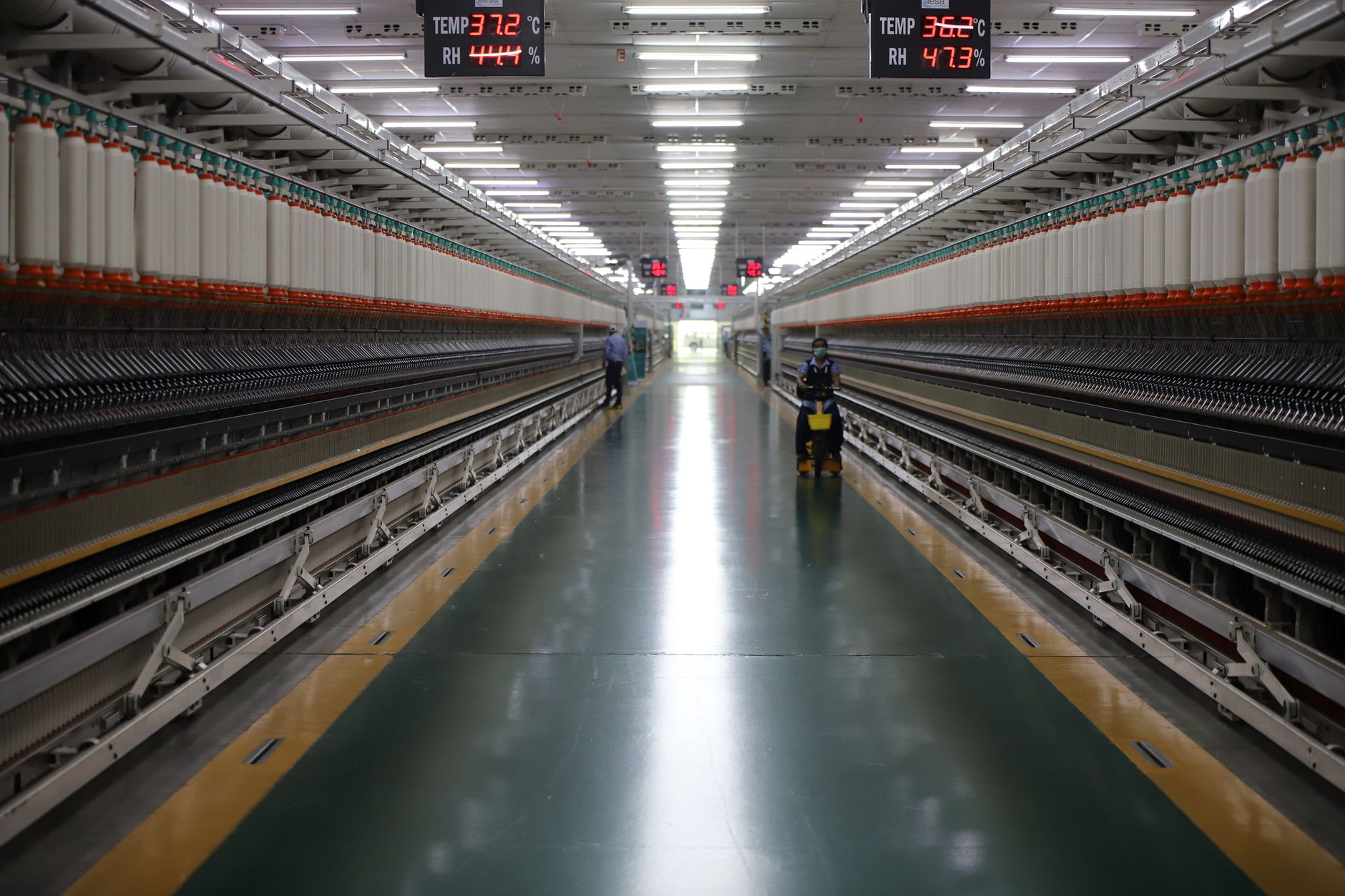
In a dimly lit corner of China's bustling industrial landscape, a silent revolution is underway. At the heart of this transformation are 'dark factories'—production facilities that operate entirely without human oversight. These factories, eerily devoid of light and sound, represent the zenith of automation, where robots and AI systems work around the clock, producing goods with precision and efficiency once thought impossible.
The concept of 'dark factories' is not a mere science fiction fantasy but a burgeoning reality as seen in companies like Zeekr, an electric vehicle manufacturer that embraces this model. By eliminating the need for human intervention, these factories can operate continuously, unhindered by shifts or labour disputes.
The Human Cost
While the efficiency of these factories is undeniable, they pose significant challenges to the global workforce. In China, a nation synonymous with mass production, millions of factory workers face redundancy as automation takes the helm. The ripple effects of this shift extend far beyond China's borders, impacting economies worldwide as traditional manufacturing jobs dwindle.
Critics argue that this heralds a dystopian future for workers, where job security is eroded, and the human touch is rendered obsolete. Yet, proponents of automation see it as a necessary evolution, one that frees humans from repetitive tasks and opens up opportunities for more creative and strategic roles.
Striking a Balance
The rise of dark factories underscores the urgent need for a balanced approach to technology and employment. As machines assume more roles, there is a pressing need for policies that ensure workers are retrained and supported through this transition. Education systems globally must adapt, focusing on equipping future generations with skills that complement rather than compete with technology.
The question remains: can society navigate this technological tide without leaving vast swathes of the workforce behind? As the world grapples with this industrial metamorphosis, the answer is yet to unfold.