The Science Behind the Search for Bigfoot
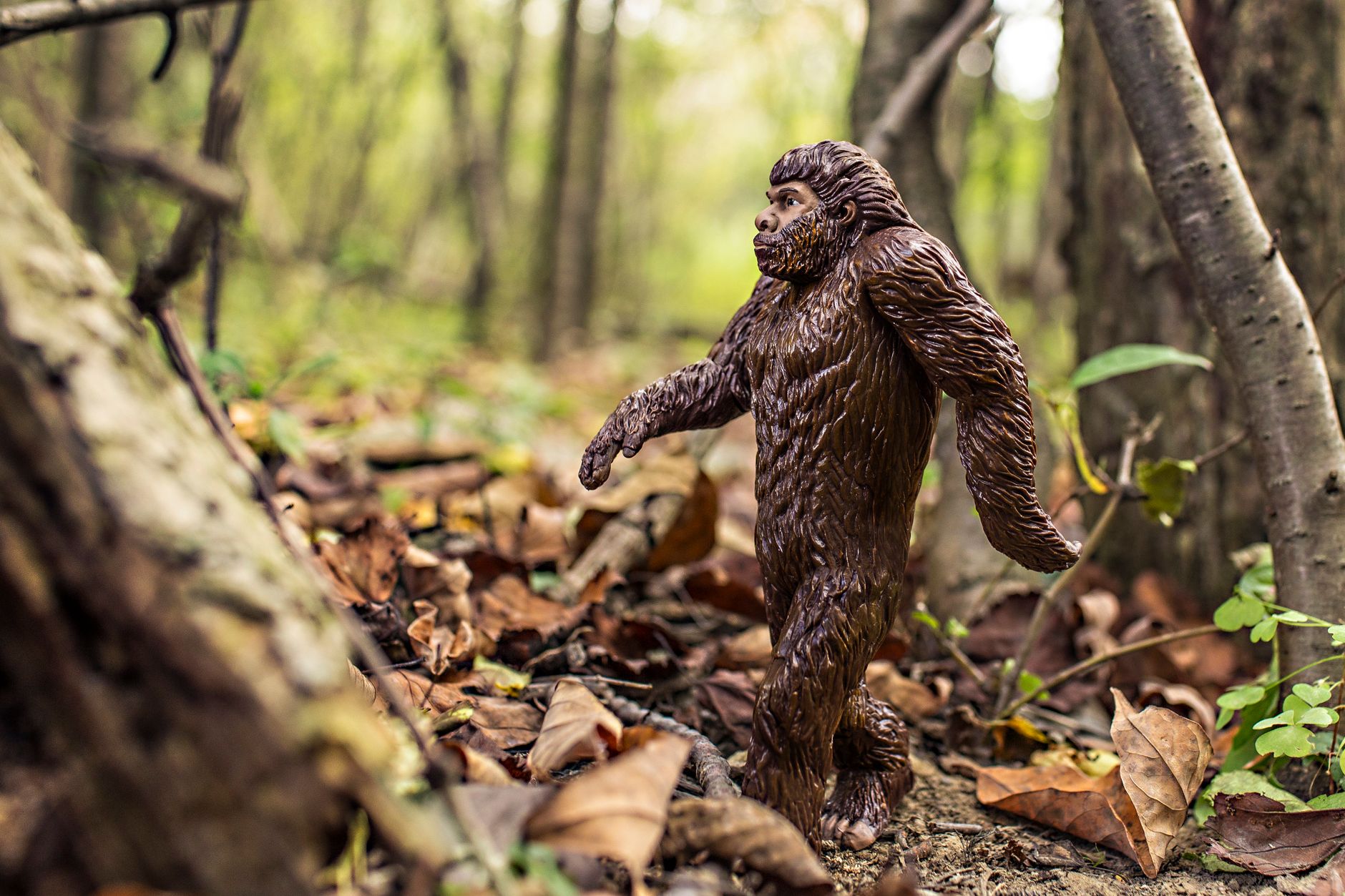
In the shadowy realms of folklore, Bigfoot looms large. Yet, behind the tales of this mythical creature, a dedicated group of enthusiasts known as 'Bigfooters' pursue their quarry with surprising scientific rigour.
At first glance, one might dismiss these individuals as mere hobbyists, indulging a whimsy of the imagination. However, their methods are anything but amateurish. Armed with the latest in DNA analysis technology, they meticulously collect hair samples, purportedly left by the creature, and send them to advanced laboratories. Their aim? To uncover genetic evidence that could finally prove Bigfoot's existence.
Sound Science
In addition to genetic sleuthing, Bigfooters also employ sophisticated sound equipment. They set up recording devices in remote forests, hoping to capture the creature’s iconic howls. Analysis of these recordings involves comparing them to known animal sounds, seeking anomalies that might hint at an unknown species.
Such efforts are not without precedent. In fact, the techniques used by Bigfooters often mirror those in mainstream wildlife research. The use of trail cameras and footprint casting, for instance, are staples in the study of elusive species worldwide.
A Bridge Between Myth and Reality
While sceptics remain unconvinced, the dedication of these enthusiasts cannot be understated. Their work continues to blur the lines between myth and science, pushing the boundaries of what we consider possible. For them, the quest for Bigfoot is more than a pastime; it is a pursuit of knowledge, driven by the fundamental human desire to explore the unknown.
Whether Bigfoot is eventually proven to be fact or remains forever in the realm of legend, the scientific methods employed by these enthusiasts serve as a testament to the enduring power of human curiosity.