The Unpalatable Truth: Taxing Foods High in Fat, Sugar, and Salt
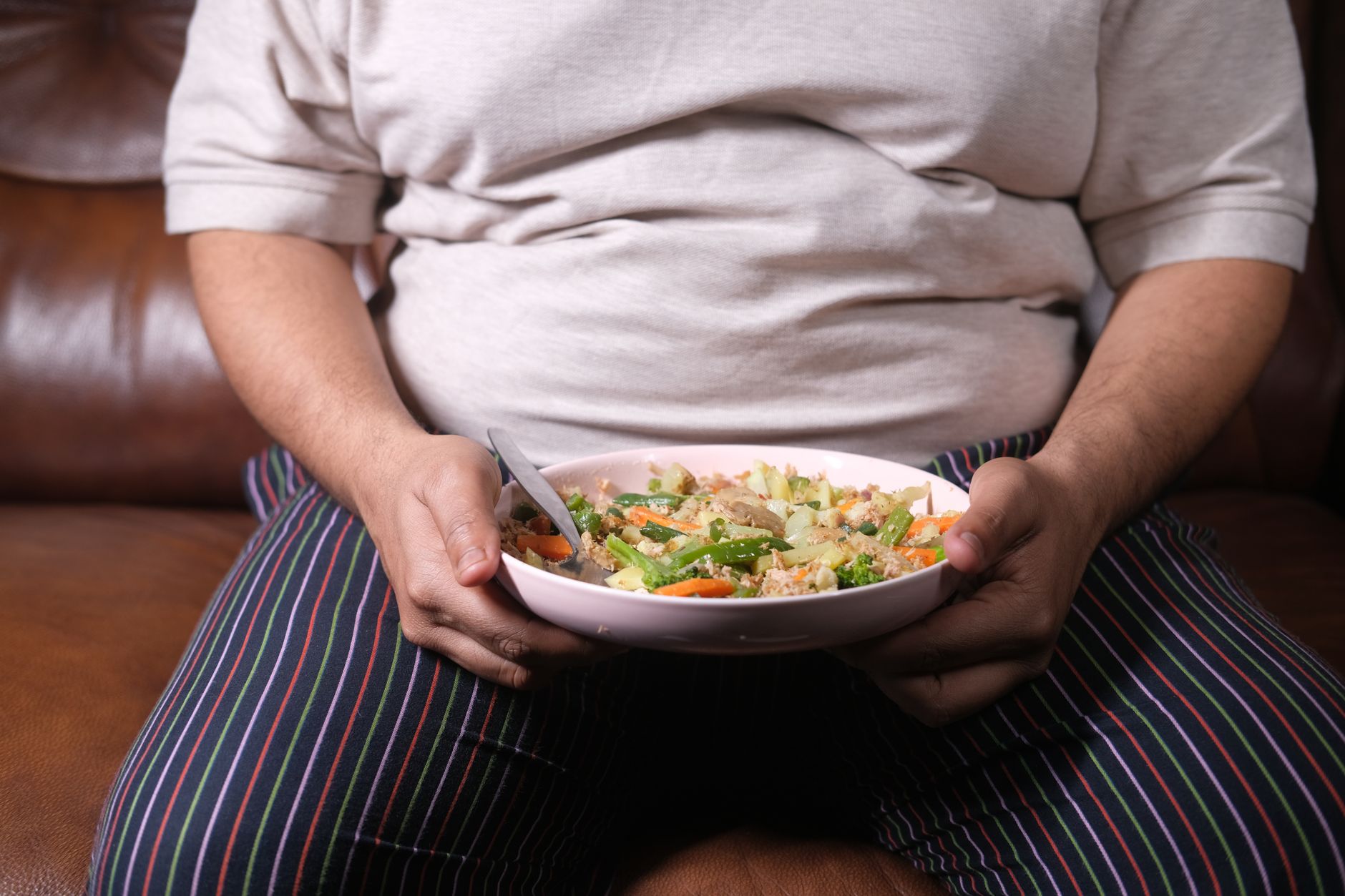
The sight of a child eagerly reaching for a sugary treat might soon become more costly for parents, as governments worldwide contemplate taxing foods high in fat, sugar, and salt (HFSS). Proponents argue that these levies could combat the alarming rise in obesity, a public health challenge affecting millions globally.
In India, where dietary habits are shifting rapidly, the proposal has gained significant traction. With obesity rates climbing and lifestyle diseases on the rise, experts suggest that a targeted tax could nudge consumers towards healthier choices. A recent study by the Centre for Health Economics & Policy Innovation posits that a 40% tax on HFSS foods could prevent over nine million cases of diet-related diseases in the country over the next three decades.
A Balancing Act
Yet, while the potential health benefits are enticing, there are concerns about the economic impact on households and the food industry. Critics argue that such taxes disproportionately affect low-income families, who may spend a larger share of their income on food. Moreover, without affordable and healthier alternatives, the policy could lead to unintended dietary consequences.
International experiences offer a mixed picture. Countries like Mexico and Hungary, which have implemented similar taxes, report a modest reduction in consumption of HFSS items. However, the long-term effectiveness of such measures remains debated, given the myriad factors influencing dietary choices.
The Road Ahead
For governments considering this fiscal tool, the challenge lies in crafting policies that achieve public health goals without exacerbating economic inequalities. This requires a nuanced approach, combining taxation with initiatives to improve access to nutritious foods and consumer education.
The debate over taxing HFSS foods is far from settled. As the world grapples with the dual burden of malnutrition and overnutrition, finding the right balance will be crucial. Whether such a tax becomes a staple in public health policy or remains an unpalatable option, only a thoughtful and comprehensive strategy will ensure that it delivers on its promise.